
-
Labour demands urgent action on petrol prices, minimum wage and other measures to ease economic hardship.
-
Congress says the current wage has been eroded by naira depreciation and rising costs of food, housing, healthcare, transport and education.
-
NLC wants pump prices cut to the level that prevailed when the current minimum wage was signed into law in 2024.
-
Former Vice President Atiku Abubakar describes the Federal Government’s proposed petrol discount as a temporary, election-driven measure that will not solve the cost-of-living crisis.
October 08, (THEWILL) – The Nigeria Labour Congress (NLC) has issued the Federal Government a two-week ultimatum to urgently reduce the price of petrol and commence the renegotiation of the national minimum wage, warning that failure to meet its demands could trigger further action by the labour movement.
The ultimatum was contained in a communiqué issued after a joint meeting of the NLC National Executive Council (NEC) and Central Working Committee (CWC) at Labour House, Abuja.
The communiqué, signed by NLC President, Joe Ajaero, stated that the two-week deadline would commence on Friday, October 9, 2026.

The labour centre also directed its affiliates and progressive allies to remain on high alert and prepared for what it described as “decisive efforts” against policies it considers detrimental to Nigerian workers and the wider population.
The NLC said its decision followed what it described as a worsening economic and survival crisis confronting workers and the broader Nigerian population.
According to the Congress, inflation, naira depreciation and rising living costs have severely eroded workers’ purchasing power, leaving many unable to afford necessities.
“The joint meeting-in-session notes with profound alarm the deepening misery inflicted on the Nigerian working class and the broader masses by the neo-liberal policies of the federal government and its state institutions,” the communiqué stated.
It added that wages had been rendered increasingly worthless while the cost of living had become unbearable.
Minimum Wage Under Pressure
On the national minimum wage, the NLC said the current wage had been significantly eroded by the depreciation of the naira and the sharp increase in the prices of essential goods and services.
It said workers could no longer adequately provide food, shelter, healthcare, transportation and education for their families on their existing wages.
The Congress therefore demanded that the Federal Government commence negotiations for a new national minimum wage before the end of October.
It insisted that the new wage must reflect the actual cost of living and guarantee Nigerian workers a decent standard of living.
“Any further delay by the federal government remains unacceptable,” the NLC said.
The demand comes amid continuing pressure from organised labour over the gap between workers’ incomes and the rising cost of essential goods and services.
Labour Demands Petrol Price Cut
The NLC also renewed its demand for an immediate reduction in the pump price of Premium Motor Spirit (PMS), commonly known as petrol.
According to the Congress, the high price of petrol has had a cascading impact on transportation, food prices and other essential commodities, thereby worsening the economic burden on workers and households.
The NLC specifically wants the Federal Government to reduce petrol prices to the level that prevailed when the current national minimum wage was signed into law in 2024.
It accused the government of pursuing policies that had allowed repeated increases in petroleum prices, saying the burden had disproportionately fallen on ordinary Nigerians.
The Congress argued that measures to reduce the cost of petrol were necessary to cushion the impact of the wider energy crisis and prevent further deterioration in living standards.
READ ALSO:
Tax Relief, Wage Award
Beyond petrol and minimum wage, the NLC demanded tax relief for workers as well as the immediate payment of wage awards to cushion the impact of rising living costs.
It said such measures represented the minimum intervention required to alleviate the hardship faced by workers.
The labour centre also demanded implementation of the terms of settlement reached with the Joint Health Sector Unions and Assembly of Healthcare Professionals (JOHESU) on February 5, 2026.
It further called for the implementation of demands by the Joint Public Sector Negotiating Council (JPSNC).
The NLC warned that failure by the Federal Government to address the demands within the stipulated period would compel the labour movement to take “remedial steps” as directed by its relevant organs.
Atiku Faults FG’s Petrol Discount
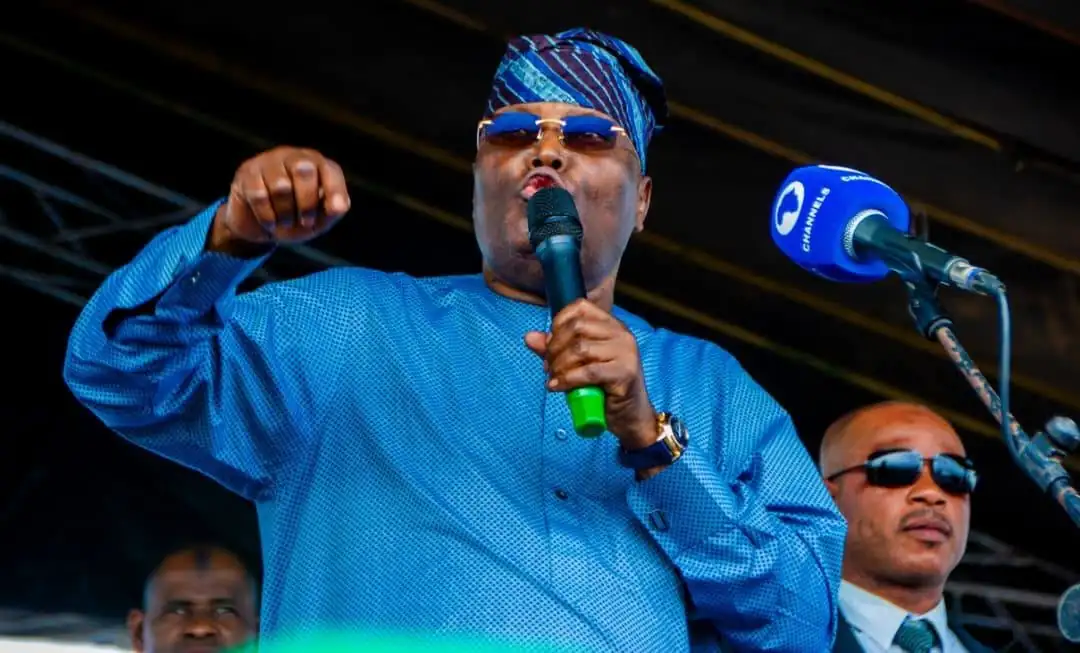
The NLC’s ultimatum came against the backdrop of the Federal Government’s announcement of a 30-day petrol discount at stations operated by the Nigerian National Petroleum Company Limited (NNPCL), a measure that has also drawn criticism from former Vice President Atiku Abubakar.
Atiku described the planned intervention as a “panic-driven publicity stunt”, arguing that a one-month discount could not resolve the deeper crisis caused by high petrol prices and the rising cost of living.
In a statement issued on Thursday by Phrank Shaibu, Director of Strategic Communication of the ADC Presidential Campaign Council, Atiku accused the administration of offering Nigerians temporary relief after years of rising living costs.
He also alleged that the timing of the measure was politically motivated, particularly with the 2027 general election approaching.
“Atiku totally rejects this calendar-scheduled, election-laced subsidy package,” the statement said, quoting the former vice president.
Atiku questioned what would happen when the 30-day period expires, arguing that Nigerians would then return to the same high petrol prices, transport fares and food costs.
“What happens on Day 31?” he asked, adding that Nigerians would still face “the same brutal prices, the same punishing transport fares and the same rising cost of food.”
He also questioned the scope and effectiveness of the proposed intervention, noting that it would initially apply to NNPCL stations.
According to Atiku, the government has yet to disclose the amount motorists would actually save per litre or explain how it would ensure that transport operators pass the savings on to passengers through reduced fares.
He described the intervention as a temporary response to a crisis he said was partly created by government policies.
Calls For Lasting Solution
Atiku also reiterated his proposal for capped and budgeted production support tied to petrol refined in Nigeria, with safeguards to ensure that consumers benefit while domestic refining is supported.
“This volte-face proves that the production-support proposal I have advanced is workable, achievable and not complicated,” he said.
The former vice president maintained that Nigerians needed a lasting solution rather than temporary relief.
“Nigerians need lasting relief, not a countdown to the return of hardship. Tinubu’s government cannot spend years telling Nigerians to endure, then offer 30 days of relief and call it a solution,” he said.
Felix Ifijeh is a journalist with years of professional reporting experience. Known for his keen news sense, compelling storytelling and commitment to accurate, impactful reporting, he has built a reputation for turning leads into clear, engaging, and well-structured reports that resonate with readers. His work reflects deep newsroom experience and a commitment to accurate, impactful journalism.