
-
Nigerian local refineries received 53.7 million barrels of crude oil and condensate between April and June 2026, representing 97.4 per cent of the volumes allocated under the Domestic Crude Supply Obligation.
-
Supply performance varied sharply across the quarter, with refineries receiving above their allocated volume in April and June but only 75.8 per cent of the allocation in May.
-
The Dangote Refinery accounted for the overwhelming share of crude offered to domestic refiners, accepting 52.6 million barrels during the three months despite being offered 68.1 million barrels.
August 11, (THEWILL) — Local refineries received 53.7 million barrels of crude oil and condensate in the second quarter of 2026, bringing compliance with Nigeria’s Domestic Crude Supply Obligation to 97.4 percent, according to the Nigerian Upstream Petroleum Regulatory Commission.
The figures were contained in the commission’s Q2 2026 statistics on the enforcement of the DCSO, established under Section 109 of the Petroleum Industry Act to support domestic refining and improve Nigeria’s energy security.
The latest data show that crude supply to local refiners was close to the volumes allocated to producers during the quarter, although performance differed considerably from month to month.

NUPRC said the improvement was supported by higher domestic crude production and the signing of long-term crude supply agreements between producers and local refineries.
READ ALSO: NUPRC Says Dangote Rejected 15.5m Barrels of Crude as Refinery Demands Proof
Supply varied across the quarter
In April, producers were allocated 18.13 million barrels but offered 19.31 million barrels, while local refiners received 20.88 million barrels.
That represented 114.9 percent performance against the monthly allocation.
Performance weakened considerably in May. Producers were allocated 18.78 million barrels and offered 23.19 million barrels, but local refineries received only 14.23 million barrels, representing 75.8 percent of the allocation.
The situation improved again in June, when producers were allocated 18.17 million barrels and offered 26.84 million barrels. Local refiners took 18.61 million barrels, equivalent to 102.4 percent performance.
The figures also reveal that the quantity offered by producers did not always translate into the same volume actually received by refiners.
NUPRC explained that the DCSO operates on a “willing buyer, willing seller” basis, meaning the final quantity supplied depends partly on agreements between producers and licensed refineries.
The commission said it holds monthly consultations with producers and refiners before allocating specific crude volumes to be offered to domestic plants.
READ ALSO: UK Imports More Refined Fuel Than Crude Oil From Nigeria For First Time
Dangote takes bulk of crude
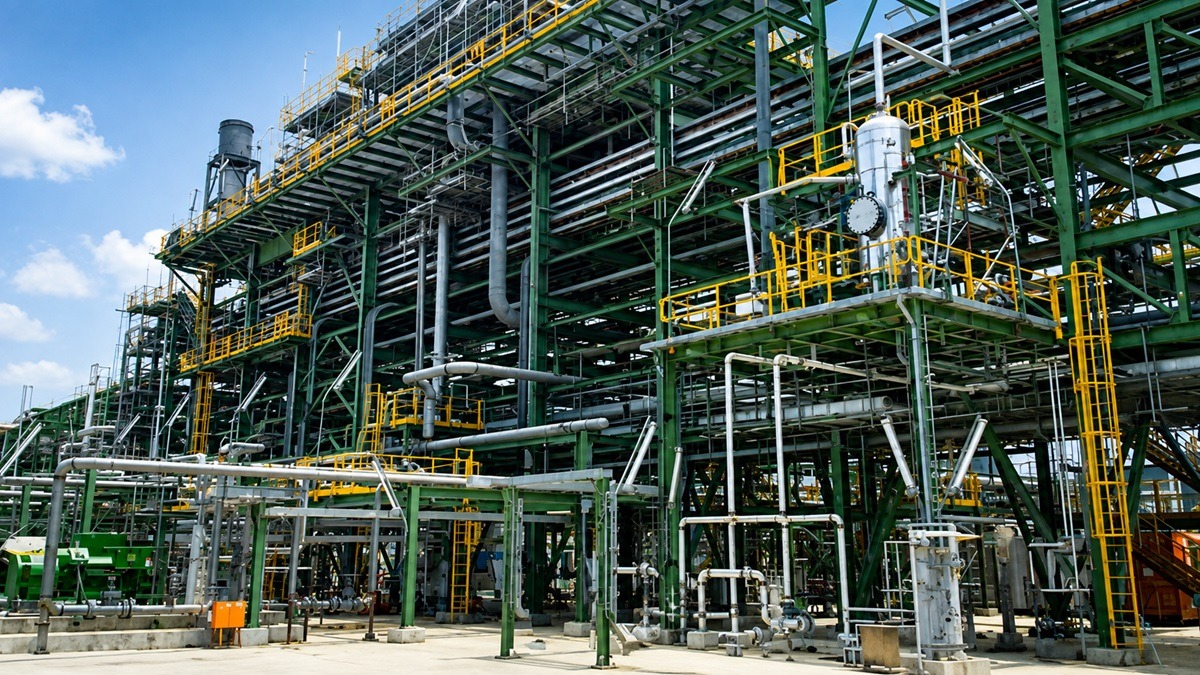
The Dangote Refinery accounted for the largest share of crude offered to domestic refiners during the quarter.
According to NUPRC, the refinery required 63 million barrels of crude between April and June, while producers offered 68.1 million barrels.
However, the refinery accepted 52.6 million barrels, representing 78 percent of the volume offered.
The figures highlight the significant role of the Dangote refinery in Nigeria’s domestic refining landscape, while also showing the gap between crude volumes offered and those ultimately taken by refineries.
NUPRC said the DCSO would continue to be enforced as part of efforts to sustain domestic crude production and support the government’s energy sufficiency objectives.
The commission’s latest figures come amid continued efforts to increase crude production and improve the supply of feedstock to Nigeria’s expanding refining capacity.

Ogochukwu Onwaeze is a writer specializing in business and economic journalism. At THEWILL News Media, she translates market trends, financial developments, and policy shifts into clear and engaging stories.
