
-
Brent reached $107.18 a barrel during Thursday’s trading.
-
Saudi Arabia said it intercepted six Houthi ballistic missiles.
-
Higher crude costs threaten further pressure on Nigerian fuel prices.
-
Dangote supplied 71% of Nigeria’s petrol receipts in August.
September 24, (THEWILL) – Oil prices jumped about 4% on Thursday, September 24, after Houthi missile attacks on Saudi Arabia heightened supply concerns, exposing Nigeria to renewed fuel-price pressure despite its growing domestic refining capacity.
Brent crude futures rose $4.10 to $107.18 a barrel by 4.09 pm Nigerian time, while US West Texas Intermediate gained $3.66 to $95.82. Both figures were intraday prices, according to Reuters.
For Nigeria, the rally could increase the value of crude exports while raising the cost of the feedstock used to produce petrol and diesel. Its effect on filling-station prices will depend on refinery pricing, exchange rates, inventories and distribution costs.

Missiles Target Saudi Oil Route
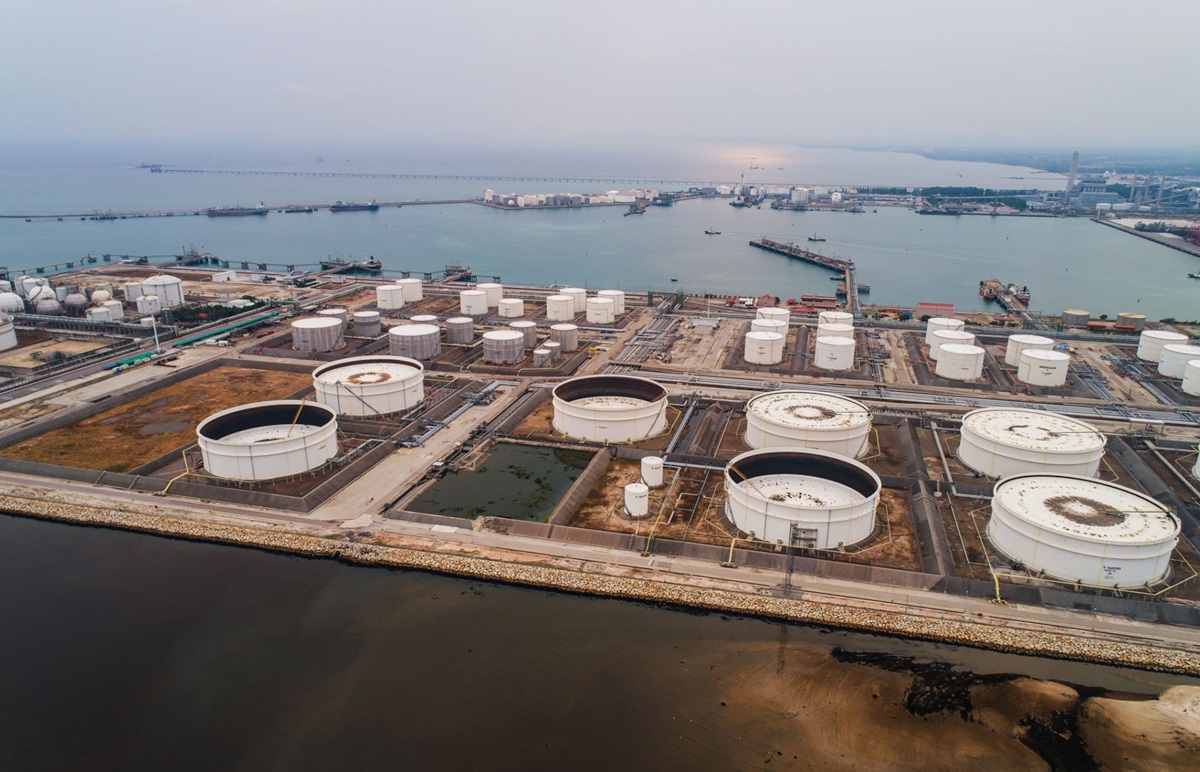
Saudi air defences intercepted six ballistic missiles aimed at Taif and Yanbu, coalition spokesperson Major General Turki Al-Maliki said on Thursday. His account was reported by the Saudi Gazette.
Yanbu provides an alternative outlet for Saudi crude when shipments through the Strait of Hormuz are disrupted. Reports had not established the extent of any damage or casualties following Thursday’s attack.
The threat to that route adds uncertainty for buyers already facing disruption to Middle Eastern supplies.
READ ALSO:
More Nigerian Petrol Still Depends on Crude Prices
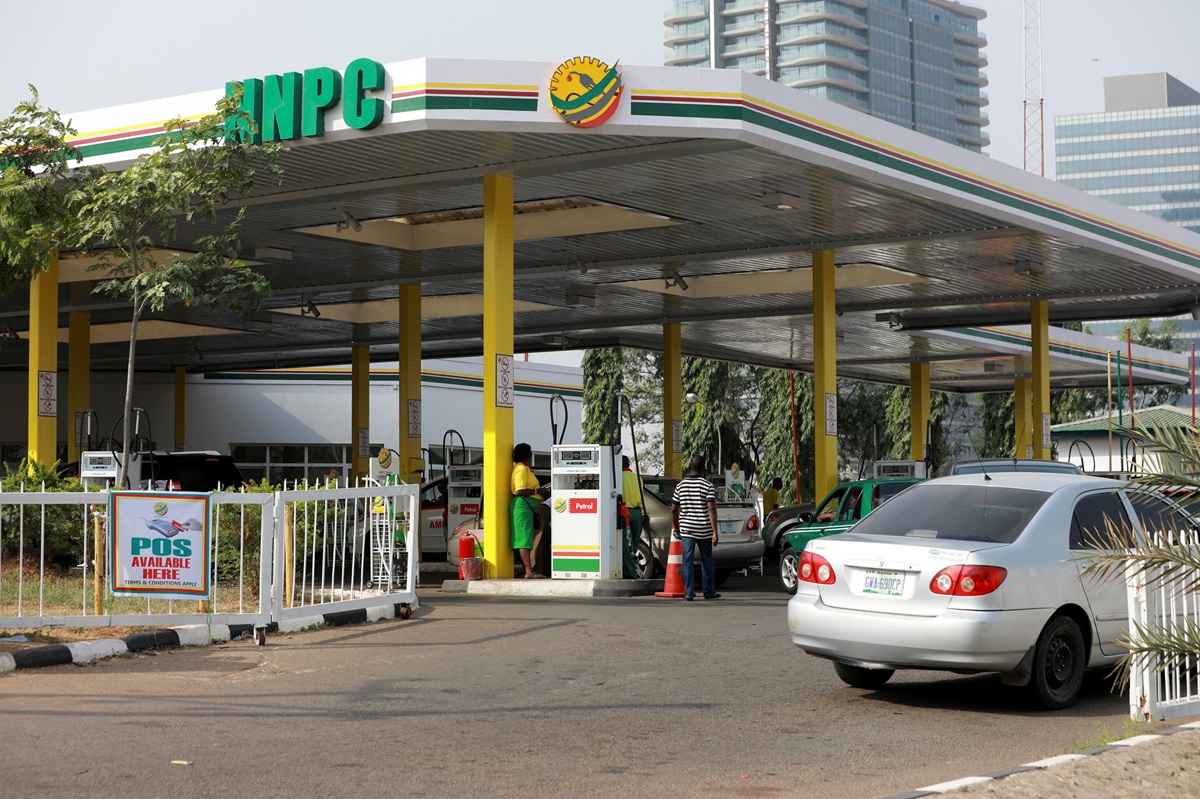
The oil rally coincided with fresh figures showing how quickly Nigeria’s petrol supply has shifted towards domestic refining.
Dangote Refinery supplied approximately 35.87 million litres daily to the Nigerian market in August, accounting for about 71% of total petrol receipts, according to reporting on the Nigerian Midstream and Downstream Petroleum Regulatory Authority’s latest factsheet.
Imports fell from 19.7 million litres daily in July to 14.6 million litres in August, while total domestic receipts rose to 35.9 million litres daily.
Those figures measure supplies received into the market. They do not establish that motorists bought the same volumes or paid less for them.
Nigerians were already paying higher petrol prices before Thursday’s crude rally. A September 20 report recorded prices of between ₦1,400 and ₦1,450 per litre at stations in Lagos and Abuja. Those observations predate the latest increase in oil prices.
Producing more fuel locally reduces the volume Nigeria must import, but refineries still need to buy crude. A sustained rise in that cost can put pressure on wholesale prices and, subsequently, what motorists and businesses pay.
No new Nigerian pump-price increase attributable to Thursday’s rally had been verified for this report.

Joy Onuorah is a business journalist and brand communications specialist covering financial markets, artificial intelligence, digital economy, and the ideas reshaping business across Africa and the global market. Beyond her reporting for TheWill, Joy uses brand strategy, storytelling, copywriting, and high-value SEO to help brands build lasting market authority.