
-
Premier League clubs smashed the summer spending record with £3.49bn spent on new signings.
-
Liverpool topped the net-spending table at £219.4m, ahead of promoted Ipswich Town and Tottenham.
-
Chelsea finished as the biggest net seller after generating £409.7m from player sales.
-
Enzo Fernandez’s £125m move to Manchester City was one of the biggest deals of the window.
September 03, (THEWILL) — The 2026 Premier League summer transfer window delivered another extraordinary spending spree, with clubs combining to spend a record £3.49bn on new players.
According to Sky Sports’ latest transfer data, Premier League clubs also generated £2.17bn from player sales, leaving a combined net spend of £1.32bn.
The scale of the market was highlighted by 20 players moving to Premier League clubs for fees of at least £50m.

But the headline spending figures tell only part of the story. Some clubs invested heavily in rebuilding their squads, while others funded their recruitment through major player sales.
Here is how all 20 clubs ranked by net spend.
1. Liverpool — £219.4m
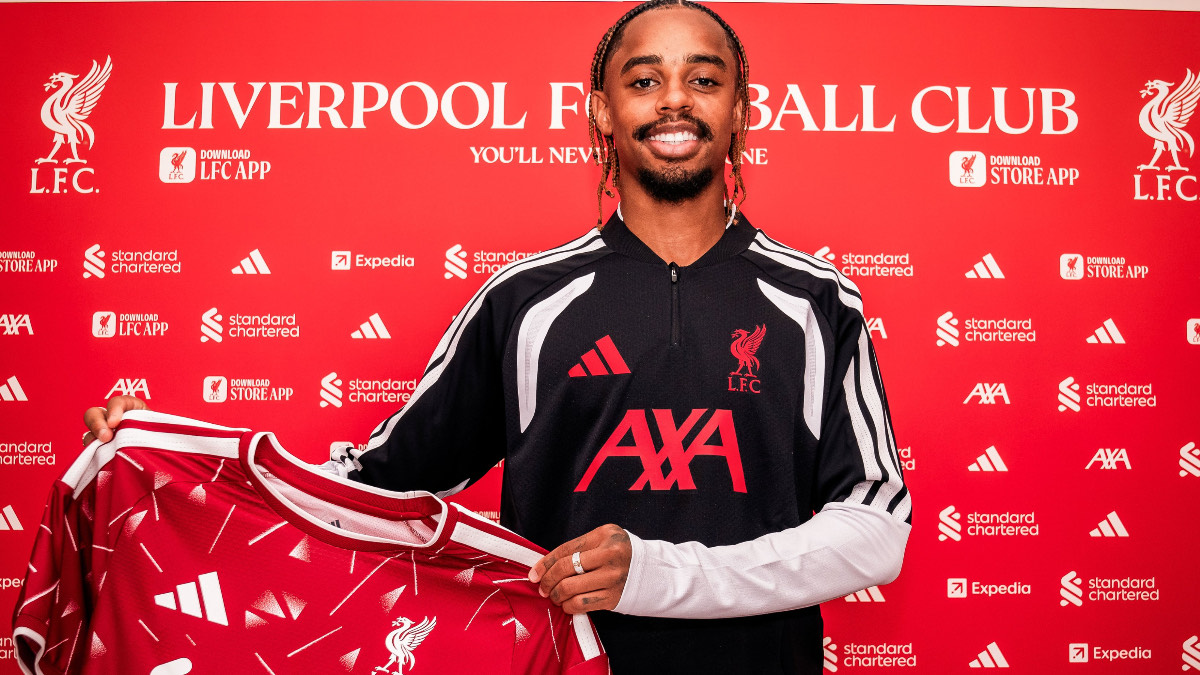
Liverpool finished top of the net-spending table with £219.4m. Their headline purchase was Bradley Barcola, who joined from Paris Saint-Germain for £123m, making the French forward one of the biggest deals of the window.
2. Ipswich Town — £190.7m
Ipswich were the highest-ranked promoted club, finishing second overall with a £190.7m net spend. Their aggressive recruitment reflected the scale of the challenge facing a newly promoted side, with the club among the busiest buyers in the division.
3. Tottenham Hotspur — £176m
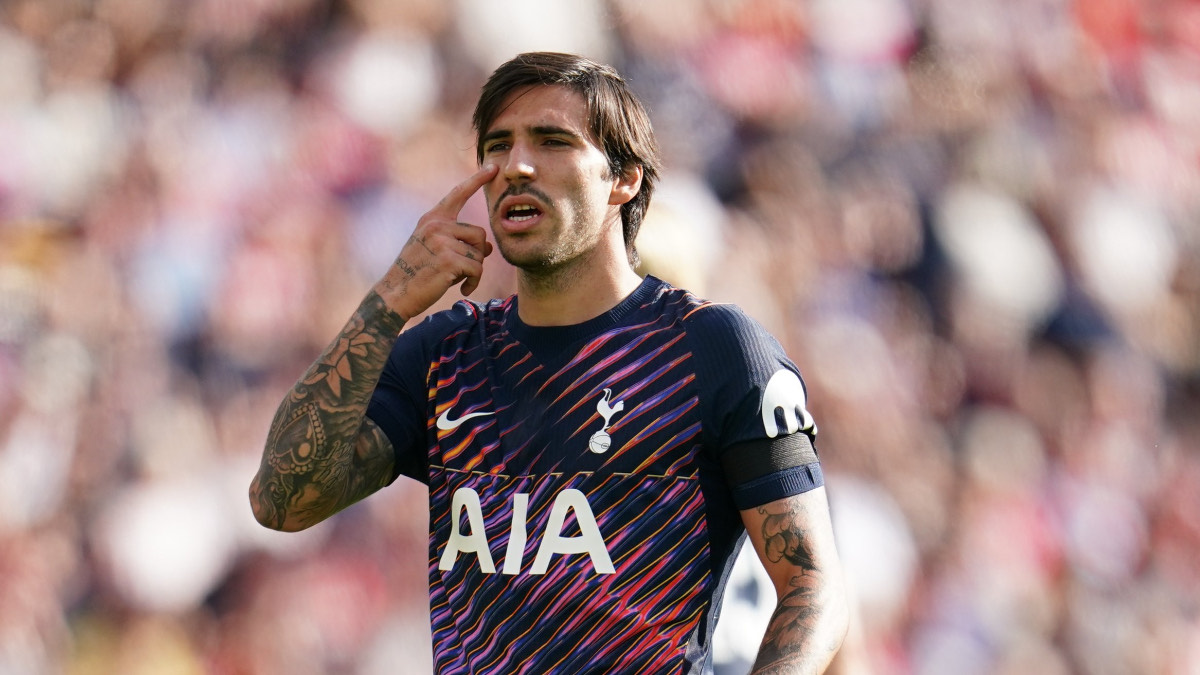
Tottenham recorded a £176m net spend after making several blockbuster additions. Sandro Tonali’s £100m move from Newcastle was the club’s headline deal, while Mateus Fernandes and Savinho also arrived in major transfers.
4. Arsenal — £136.6m
Arsenal ended the window with a £136.6m net spend. Their biggest purchase was Bruno Guimaraes, signed from Newcastle for £75m, while Ezri Konsa also arrived from Aston Villa in another major domestic deal.
5. Coventry City — £129.8m

Coventry were another promoted side to make a major financial commitment, finishing fifth with a £129.8m net spend. Caleb Yirenkyi’s £26m arrival from Nordsjaelland was their biggest recorded purchase as they strengthened extensively for their return to the top flight.
6. Manchester City — £125.4m
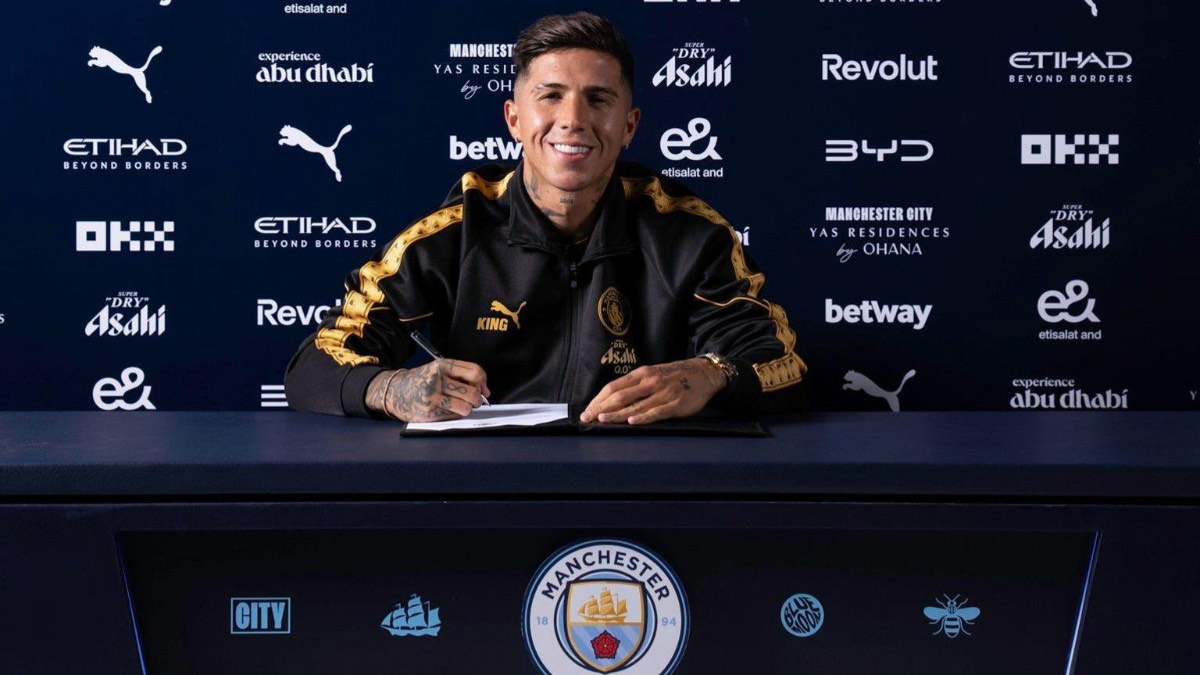
Manchester City were the Premier League’s biggest gross spenders, committing £440.3m to new signings, but their net figure stood at £125.4m after substantial sales. Enzo Fernandez’s £125m arrival from Chelsea was the biggest of their deals, matching the British transfer record. Elliot Anderson also joined for £116m.
7. Manchester United — £118m
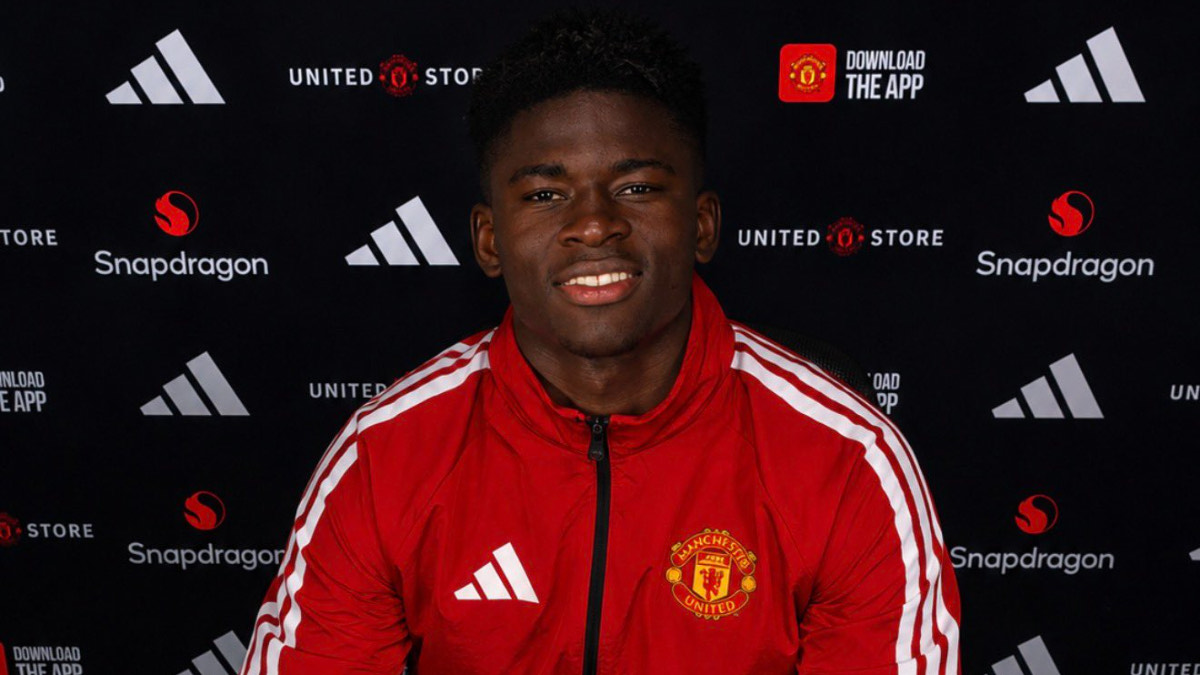
Manchester United finished seventh with a £118m net spend. Carlos Baleba was their biggest signing at £70m, with the midfielder’s arrival forming part of a major investment in the squad.
READ ALSO:
8. Hull City — £103.7m
Hull completed the three promoted clubs inside the top eight with a £103.7m net spend. Their aggressive recruitment was reflected in the fact that they completed 17 permanent signings, the highest number in the Premier League during the window.
9. Brentford — £99.5m
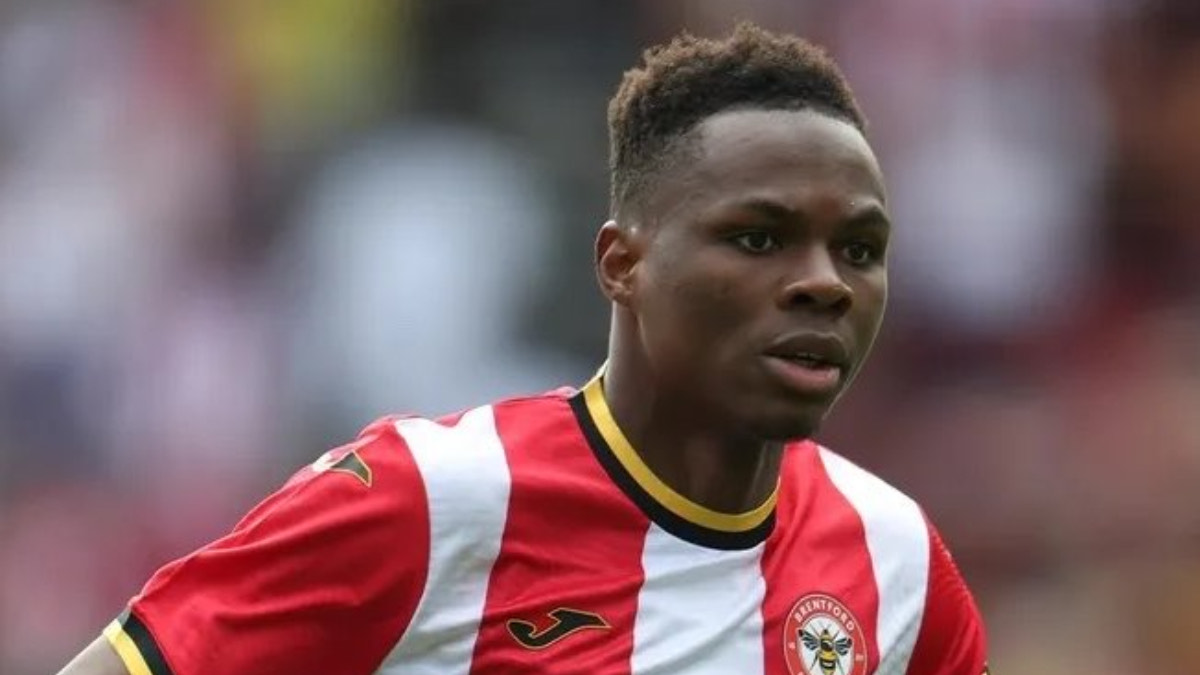
Brentford recorded a £99.5m net spend, with Mamadou Sangaré among their biggest investments at £39m. The Bees used the window to add significant depth while retaining much of their existing squad.
10. Fulham — £71.5m
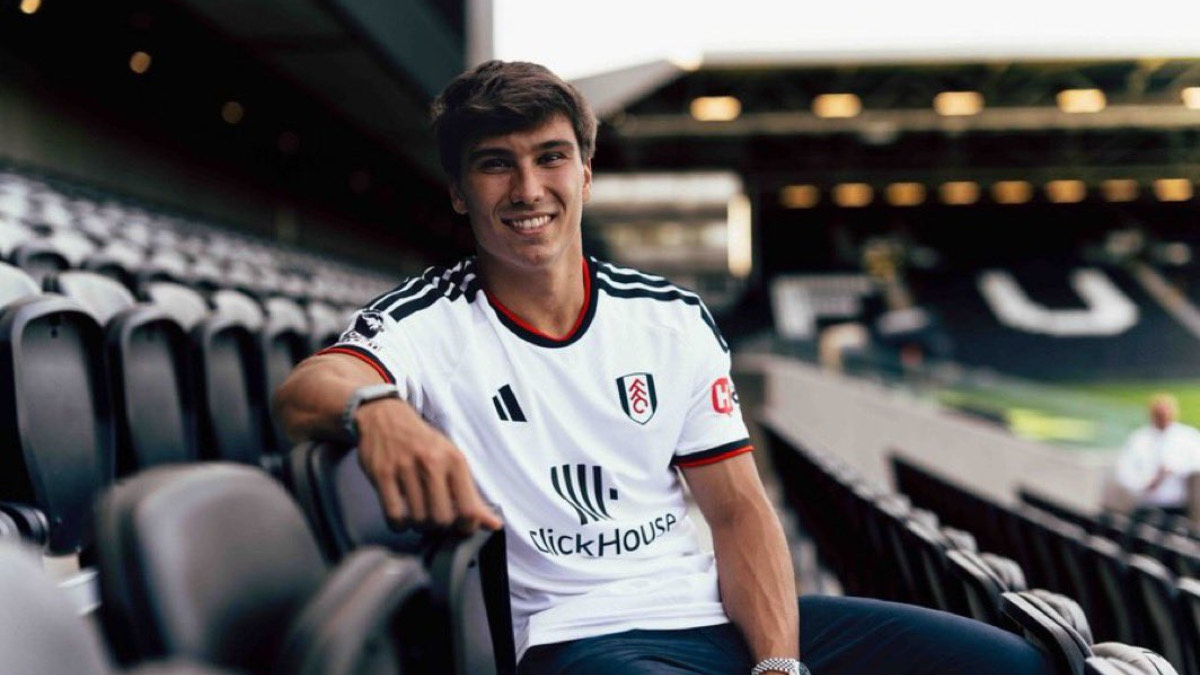
Fulham’s net spend reached £71.5m after a substantial round of recruitment. Their biggest deal was the £34.3m signing of Gonzalo Garcia, as the club looked to strengthen its squad without entering the spending levels of the Premier League’s biggest clubs.
11. Leeds United — £62.2m
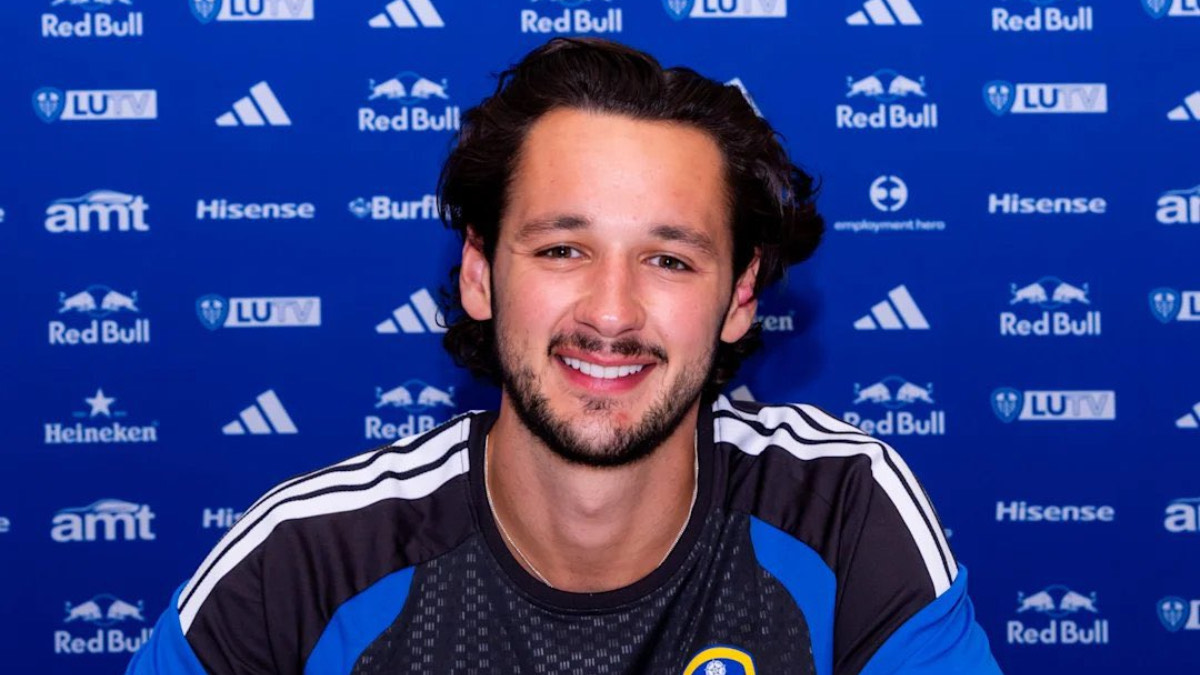
Leeds finished with a £62.2m net spend, led by the £40m arrival of goalkeeper James Trafford from Manchester City. Tarik Muharemovic was another significant addition at £34m.
12. Bournemouth — £46.7m

Bournemouth posted a £46.7m net spend. Their biggest purchase was Antonio Silva at £21.4m, with the club maintaining a relatively controlled approach compared with the Premier League’s largest spenders.
13. Sunderland — £31.7m

Sunderland’s net spend stood at £31.7m following their return to the Premier League. Malick Fofana’s £31m move from Lyon was their biggest signing, while Dayann Methalie also arrived for £25.7m.
14. Newcastle United — £30.9m
Newcastle’s £30.9m net spend masks a much more dramatic transfer window because the club generated substantial income from departures. Tonali’s £100m move to Tottenham was their biggest sale, while Bruno Guimaraes and Anthony Gordon also left in major deals.
15. Everton — -£2.2m
Everton finished marginally in transfer profit, with a net figure of -£2.2m. Iliman Ndiaye’s £65m move to Manchester City was their biggest sale, helping the club generate more from departures than it spent on new arrivals.
16. Nottingham Forest — -£18.7m
Nottingham Forest ended the window with an £18.7m transfer profit. Elliot Anderson’s £116m move to Manchester City was the standout outgoing deal, while Liam Delap arrived from Chelsea for £50m as Forest reinvested part of their sales income.
17. Brighton & Hove Albion — -£25m
Brighton recorded a £25m transfer profit despite spending £148m on new players. Carlos Baleba’s £70m move to Manchester United was their biggest sale, while Jan Paul van Hecke’s £52m transfer to Tottenham also generated significant income.
18. Crystal Palace — -£47m
Crystal Palace finished with a £47m transfer profit. Maxence Lacroix’s £51m move to Chelsea was their biggest sale, while their recruitment was considerably more modest than that of most clubs above them in the spending table.
19. Aston Villa — -£62.8m
Aston Villa were among the biggest net sellers, finishing with a £62.8m transfer profit. Morgan Rogers’ £117m move to Chelsea was their standout departure, while Ezri Konsa and Ollie Watkins also generated substantial fees.
20. Chelsea — -£67.3m
Chelsea finished as the Premier League’s biggest net seller, recording a £67.3m transfer profit after generating £409.7m from player sales.
Enzo Fernandez’s £125m move to Manchester City was their biggest outgoing, while Morgan Rogers arrived from Aston Villa for £117m.
What the Numbers Tell Us
The biggest surprise is the presence of three promoted clubs among the top eight net spenders. Ipswich, Coventry and Hull all made major financial commitments in an attempt to compete immediately at Premier League level.
The window also demonstrated the difference between gross spending and net spending. Manchester City spent a league-high £440.3m, yet their net figure was £125.4m because they also generated significant income from player sales.
Chelsea, meanwhile, were the second-highest gross spenders at £342.4m but finished with the league’s biggest transfer profit after selling £409.7m worth of players.
The domestic market was also exceptionally active. A number of the largest transfers involved Premier League clubs trading directly with each other, including Fernandez to Manchester City, Rogers to Chelsea, Anderson to City and Tonali to Tottenham.
The Final Ranking
Rank| Club| Net Spend
1| Liverpool| £219.4m
2| Ipswich Town| £190.7m
3| Tottenham Hotspur| £176m
4| Arsenal| £136.6m
5| Coventry City| £129.8m
6| Manchester City| £125.4m
7| Manchester United| £118m
8| Hull City| £103.7m
9| Brentford| £99.5m
10| Fulham| £71.5m
11| Leeds United| £62.2m
12| Bournemouth| £46.7m
13| Sunderland| £31.7m
14| Newcastle United| £30.9m
15| Everton| -£2.2m
16| Nottingham Forest| -£18.7m
17| Brighton & Hove Albion| -£25m
18| Crystal Palace| -£47m
19| Aston Villa| -£62.8m
20| Chelsea| -£67.3m
The 2026 window ultimately produced a clear divide between clubs willing to spend heavily and those that successfully turned player sales into transfer profits.
Liverpool led the net-spending race, while Chelsea finished at the opposite end after generating the most income from departures.
Whether the biggest spenders made the smartest decisions, however, will only become clear once their new signings begin to deliver on the pitch.

Olumide Atiba is a sports journalist with THEWILL, known for his keen news sense and compelling storytelling. He has built a reputation for turning leads into clear, well-structured reports that resonate with readers, with a strong focus on football coverage
