
-
Uber has become the latest major foreign company to leave Nigeria, ending 12 years of operations in the country.
-
It joins a growing list of global companies that have reduced or ended parts of their Nigerian operations.
-
Equinor, Kimberly-Clark, Shoprite, GSK and Sanofi are among the major names to have pulled back.
-
The exits span oil and gas, retail, pharmaceuticals, consumer goods and technology.
September 03, (THEWILL) — Uber has become the latest major international company to leave Nigeria, ending 12 years of operations in the country on September 2, 2026.
The ride hailing company entered Lagos in 2014 and later expanded to other Nigerian cities. Reuters said Uber’s decision followed a review of its business, against a backdrop of rising fuel costs, inflation, currency volatility and tougher competition.
Its exit comes after a string of high profile corporate withdrawals from Nigeria. In the past few years, companies in oil and gas, pharmaceuticals, consumer goods, retail and technology have sold local assets, closed facilities, abandoned specific business lines or moved away from direct operations.

Some departures were complete. Others involved only a part of the business, making the difference important when assessing the scale of the corporate retreat.
The pattern has nevertheless raised a bigger concern for Nigeria. When global companies reduce their physical presence, the country can lose manufacturing capacity, investment, jobs, technology and supply-chain opportunities even when their products continue to be sold locally.
1. Shoprite Holdings

South African retailer Shoprite was among the first major multinationals in the recent wave to leave Nigeria.
Shoprite announced its intention to exit in 2020 and completed the sale of its Nigerian supermarket business in 2021. The business, Retail Supermarkets Nigeria Limited, was acquired by a group of local investors led by Ketron Investment.
The retailer had operated in Nigeria for about 16 years and had built a sizeable store network. Its departure reflected the difficulties of running a large physical retail operation in a market affected by supply chain problems, currency pressures and difficulties repatriating funds.
Shoprite’s exit also illustrated a point that would become more common in subsequent years. A large consumer market does not automatically translate into attractive returns for an international retailer.
2. Bolt Food
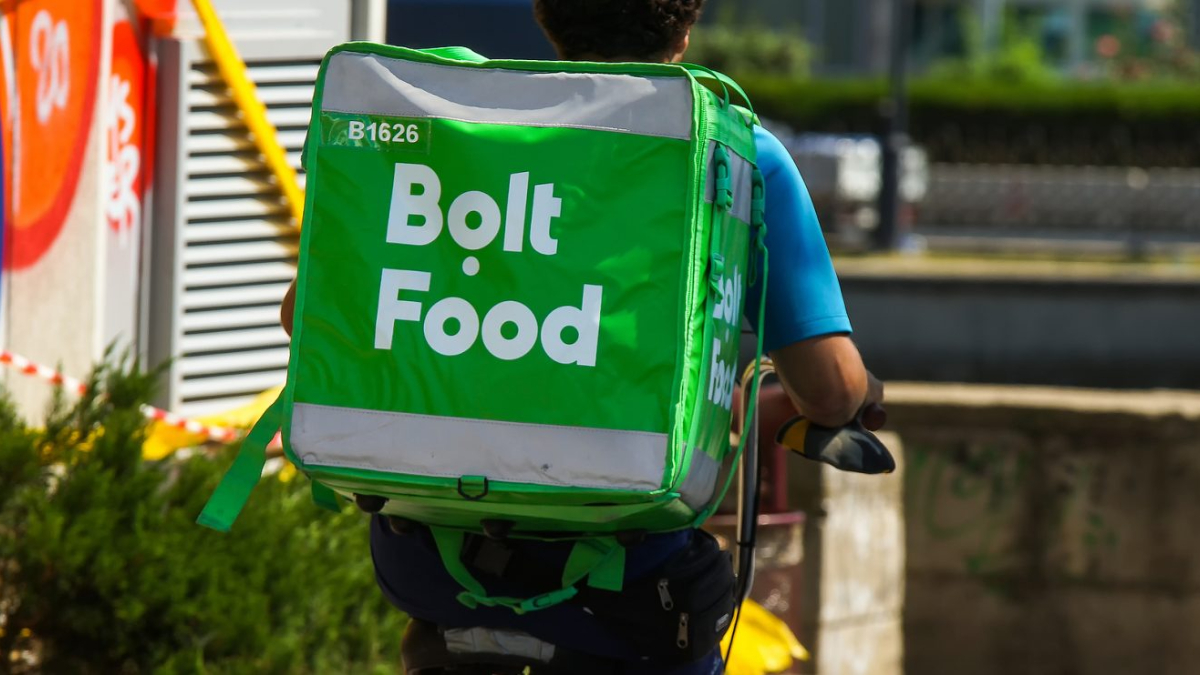 Bolt Food ended its Nigerian food delivery business in December 2023 after about two years in the market.
The service stopped operating in Nigeria on December 7, 2023. Bolt itself did not leave the country. Its ride hailing business continued.
Food delivery had become a difficult business across several African markets. Platforms had to manage delivery costs, fuel prices, restaurant commissions and customer demand while operating in an environment where inflation was squeezing household spending.
Bolt’s decision was therefore a withdrawal from one business line rather than a complete Nigerian exit.
3. Jumia Food

Jumia Food also shut down its Nigerian operation in December 2023.
Jumia announced that it would discontinue food delivery in seven African markets, including Nigeria, and concentrate its resources on its physical goods business.
The decision did not amount to Jumia leaving Nigeria. The company’s main e commerce business remained.
Food delivery had become difficult to scale profitably, particularly as platforms faced high logistics costs and weak consumer purchasing power. Jumia’s decision reflected a broader effort to focus on the part of its business where it saw a clearer route to profitability.
4. GlaxoSmithKline
GlaxoSmithKline, now known as GSK, changed its Nigerian operating model rather than completely abandoning the market.
In 2023, the pharmaceutical company announced plans to discontinue its direct commercial operations in Nigeria and move to a third party distribution model.
GSK products could still reach Nigerian consumers through distributors, but the company no longer maintained the same direct commercial structure.
The move came amid mounting pressure on multinational pharmaceutical companies from foreign exchange shortages, naira depreciation and higher operating costs.
GSK therefore belongs on this list as a major foreign company that withdrew from direct operations, rather than as a company that completely stopped doing business in Nigeria.
5. Procter & Gamble

Procter & Gamble’s Nigerian retreat centred on manufacturing and its local operating structure.
The American consumer goods company moved away from local manufacturing and shifted towards an import based model for the Nigerian market. P&G had previously invested heavily in its Nigerian manufacturing capacity, including a major plant in Agbara, Ogun State.
The change reflected the growing difficulty of manufacturing competitively in Nigeria while dealing with foreign exchange constraints, higher energy costs, imported inputs and a sharply weaker naira.
P&G continued selling its products in Nigeria. Its case therefore represents a reduction in local production and direct operations rather than a complete market exit.
6. Microsoft
Microsoft is one of the names frequently included in lists of companies that exited Nigeria, but that description needs qualification.
The company announced in May 2024 that it would close its Africa Development Centre in Lagos. The facility had been established as a technology and engineering hub and had employed software developers and other technology professionals.
Microsoft, however, said it would continue operating in Nigeria and investing in strategic growth areas. Its decision was therefore the closure of a major Nigerian facility, not a complete withdrawal from the country.
The difference matters because Microsoft’s continued presence means it cannot accurately be placed alongside companies that sold their Nigerian businesses and left.
Its inclusion on this list is based on the scale of the Lagos operation that was closed.
7. Equinor

Norwegian energy company Equinor completed its exit from Nigeria in 2024 after more than three decades in the country.
The company sold its Nigerian upstream interests as part of a wider effort to reshape its international oil and gas portfolio.
Equinor’s departure was a genuine country exit. Unlike Microsoft, Jumia or Bolt, the company was not simply closing one Nigerian division while maintaining another major operation.
The decision also reflected a wider shift among international oil companies operating in Nigeria. Several have sought to reduce exposure to onshore assets while concentrating capital on projects they consider more attractive, including deepwater operations.
Equinor’s case shows that not every multinational exit is driven solely by Nigeria’s domestic economy. Global portfolio decisions can be just as important.
8. Sanofi-Aventis

French pharmaceutical company Sanofi ended its direct operations in Nigeria in 2024 and moved to a third party commercial model.
Like GSK, Sanofi did not simply stop supplying the Nigerian market. The change reduced the company’s direct presence while allowing its products to continue reaching customers through local partners.
For pharmaceutical companies, the model can reduce the cost of maintaining offices, employees and commercial infrastructure in a difficult operating environment.
Sanofi’s withdrawal came during a period when pharmaceutical companies were dealing with rising import costs and severe foreign exchange pressures.
It is therefore more accurate to describe Sanofi as having left direct operations in Nigeria than to say the company completely left the Nigerian market.
9. Kimberly-Clark

Kimberly-Clark made a more definitive decision than companies such as Microsoft and GSK.
The American consumer goods company exited its Nigerian business in 2024 despite having invested heavily in the country.
Its Nigerian investment had included a manufacturing facility designed to serve the local market. The decision to leave demonstrated how sharply the economics of local production had changed.
Manufacturers were facing higher costs for imported materials and equipment, currency losses and weaker consumer purchasing power.
For Kimberly-Clark, continuing to operate locally no longer offered an attractive enough return on the capital required.
Its departure was one of the clearest examples of a multinational abandoning a Nigerian operating base rather than simply changing its distribution structure.
10. Uber
 Uber is the newest name on the list.
The company announced that it would cease operations in Nigeria on September 2, 2026, bringing its 12 year presence in the country to an end. Uber did not give a detailed reason for the decision, saying it followed a review of its business operations.
The company entered Nigeria in 2014, beginning in Lagos before expanding to other cities.
Its exit comes at a difficult time for the ride hailing industry. Fuel costs have risen sharply, inflation has increased operating expenses and currency volatility has affected the wider economy. Competition among ride hailing platforms has also intensified.
Uber’s departure is significant because of the company’s role in changing urban transportation in Nigeria. Its arrival helped make app based ride hailing a mainstream service and created a large new source of income for drivers.
Its decision to leave now adds another major global technology company to the list of multinationals that have reduced their Nigerian footprint.
Why Are Foreign Companies Leaving Nigeria

There is no single reason behind the departures.
For some companies, the decision was driven by global portfolio strategy. For others, the problem was the economics of producing or selling goods in Nigeria. In several cases, foreign exchange pressure was a major factor.
The naira’s depreciation has increased the local cost of imported raw materials, machinery, finished products and other inputs. Companies earning most of their revenue in naira can also see the dollar value of those earnings fall sharply.
Inflation has compounded the problem. Businesses face higher operating costs at the same time that consumers have less purchasing power.
Manufacturers have an additional burden. Electricity, transport, imported inputs and logistics can make local production significantly more expensive than companies originally anticipated.
Foreign exchange availability is another concern. Multinationals need to move capital across borders, pay overseas suppliers and convert local earnings into the currencies used for group reporting.
A difficult repatriation environment can affect investment decisions even when the underlying Nigerian business remains profitable in naira terms.
These pressures do not affect every industry equally, which explains why the recent withdrawals have taken different forms.
A Full Exit Is Not the Same as a Business Exit

The phrase “foreign companies leaving Nigeria” can make the trend look more straightforward than it is.
Equinor and Kimberly-Clark are examples of companies that made much clearer exits. Shoprite also sold its Nigerian business.
Microsoft did not leave Nigeria when it closed its Lagos development centre. GSK did not disappear from the pharmaceutical market when it moved to third party distribution. Jumia did not leave Nigeria when it shut Jumia Food. Bolt remained in Nigeria after ending Bolt Food.
P&G likewise continued selling products after reducing its local manufacturing footprint.
These differences are important when measuring the country’s loss of foreign investment. A factory closure has a different economic effect from a country exit. A third party distribution arrangement has a different effect from the sale of a subsidiary.
The common thread is the reduction of direct foreign corporate involvement.
What the Exits Mean for Nigeria

The immediate effect depends on the company and the nature of its withdrawal.
A factory closure can mean fewer manufacturing jobs and less demand for local suppliers. A corporate exit can reduce direct investment and tax contributions. A move to imports can weaken domestic production even if the company’s products remain widely available.
There can also be effects further down the supply chain.
Multinational companies often bring international standards, technology, training, management expertise and relationships with local suppliers. When those operations shrink, some of those benefits can shrink with them.
But exits can also create openings for Nigerian businesses.
Local manufacturers can take market share from imported products. Nigerian distributors can take over functions once handled by multinational subsidiaries. Domestic technology companies can compete for customers and talent.
The long term result will depend partly on whether Nigerian companies can fill the space left by departing multinationals.

Joy Onuorah is a business journalist and brand communications specialist covering financial markets, artificial intelligence, digital economy, and the ideas reshaping business across Africa and the global market. Beyond her reporting for TheWill, Joy uses brand strategy, storytelling, copywriting, and high-value SEO to help brands build lasting market authority.
