-
Global clubs spent more than $9.89 billion on international transfer fees during the 2026 mid-year window, a new all-time record.
-
More than 12,500 international transfers were registered in men’s professional football, also setting a new high.
-
English clubs led the spending table with more than $3.02 billion invested in international transfers.
-
The 2026 World Cup had a major impact, with 267 players from 47 nationalities changing clubs for combined fees exceeding $3.3 billion.
-
Women’s football also reached new heights, recording 1,406 international transfers and $28.6 million in transfer fees.
September 03, (THEWILL) — The global football transfer market has entered another financial era.
Clubs spent more than $9.89 billion on international transfer fees during the 2026 mid-year window, according to FIFA, setting a new record for a period that has traditionally been dominated by the biggest leagues and wealthiest clubs.
The spending was accompanied by unprecedented movement across the men’s professional game, with more than 12,500 international transfers registered between June 1 and September 2.

FIFA’s latest International Transfer Snapshot shows that the transfer market continues to expand at remarkable speed, with the 2026 FIFA World Cup adding another major influence to an already booming global business.
England Leads the Spending Race

English clubs once again emerged as the biggest financial force in the international transfer market.
Clubs in England spent more than $3.02 billion on international transfer fees during the window, comfortably ahead of their European rivals.
Italy ranked second with approximately $1.1 billion, followed by Spain with $940 million, Germany with $904 million and France with $641 million.
The figures highlight the extraordinary purchasing power of English football, particularly when clubs from the Premier League are competing for established stars and emerging talent across the global market.
England also recorded the highest number of incoming international transfers, with clubs from Spain and Portugal following behind.
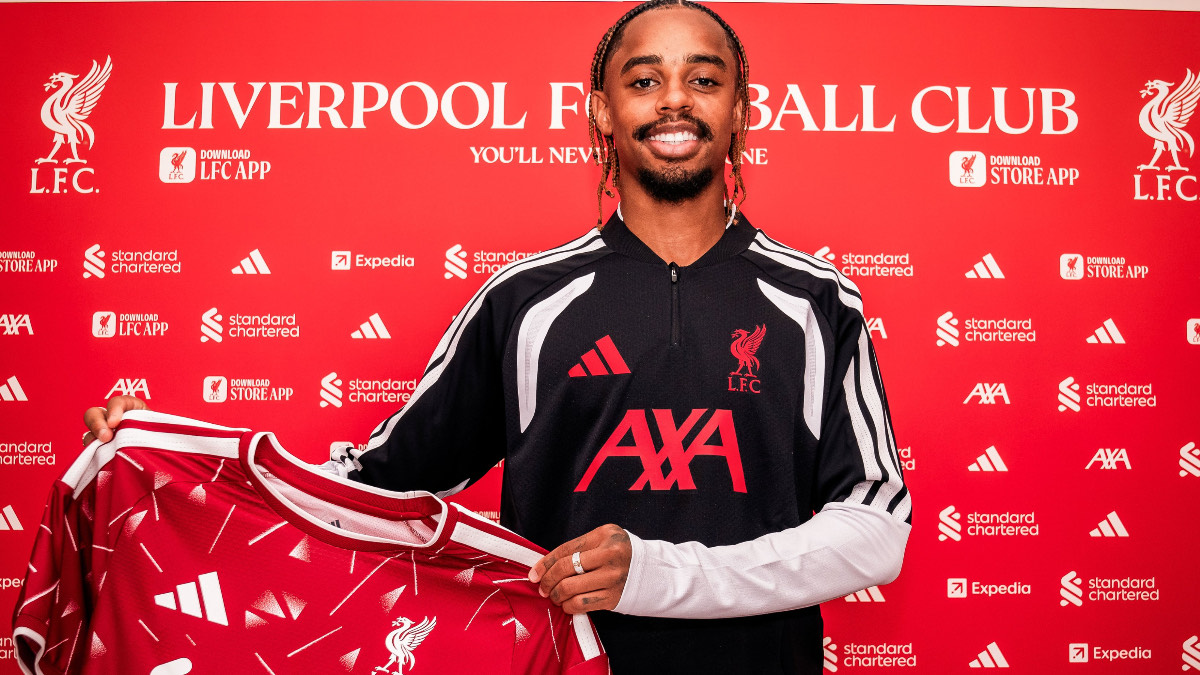
Bradley Barcola, from PSG to Liverpool, is the biggest sale by a single French club
But spending was only one side of the story.
French clubs generated the highest transfer income during the same period, receiving around $1.7 billion from international transfers.
English clubs followed with approximately $1.43 billion, while Germany, Spain and Portugal recorded about $1.02 billion, $773 million and $642 million respectively.
How the World Cup Changed the Market
The record spending cannot be separated from what happened on football’s biggest stage.
FIFA identified the 2026 World Cup as a significant catalyst for player movement, with 267 players from 47 nationalities who featured at the tournament subsequently changing clubs during the transfer window.
Collectively, those transfers were worth more than $3.3 billion.
That figure demonstrates the commercial power of a World Cup appearance. Players who perform in front of a global audience can attract greater attention from clubs, while established stars can strengthen their market value through performances against the world’s best.
FIFA has already highlighted several players whose post-World Cup moves demonstrated that connection, including Morocco’s Ayyoub Bouaddi and Ismael Saibari, as well as a number of other tournament standouts.
The tournament therefore did more than determine a world champion. It also helped reshape the club market that followed.
READ ALSO:
Women’s Football Breaks New Ground
 The record-breaking figures were not restricted to men’s football.
Women’s professional football also reached new heights, with 1,406 international transfers registered during the window.
That represented a 19.2 percent increase on the previous record, providing further evidence of the rapid expansion of the women’s professional game.
Transfer spending also more than doubled compared with the previous mid-year window, reaching a record $28.6 million.
England again led the way, with clubs spending approximately $8 million on international transfers.
Spain followed with $6.6 million, Germany with $4.9 million, the United States with $2.9 million and Italy with $2.1 million.
Swedish clubs were the biggest recipients of transfer fees, collecting approximately $4.2 million, narrowly ahead of England’s $4 million. France and Germany each recorded about $3.6 million in transfer income.
A Market Showing Few Signs of Slowing Down
The latest FIFA figures paint a picture of a transfer market that continues to expand in both value and volume.
The men’s game has crossed the $9.89 billion mark for a mid-year window, while more than 12,500 international transfers underline just how much player movement now takes place across borders.
England’s dominance also remains one of the clearest features of the market. Its clubs are spending more than any other association while simultaneously generating substantial income from player sales.
At the same time, the World Cup has shown that international tournaments can have an immediate commercial impact on the players involved.
And perhaps just as importantly, women’s football is no longer simply growing in participation and visibility. It is now breaking transfer records of its own.
FIFA’s latest snapshot, therefore, offers more than another set of eye-catching numbers. It provides a glimpse into an increasingly sophisticated global football economy, where elite performances, club finances and international exposure are becoming more closely connected.
If the latest records are any indication, the $9.89 billion mark may prove to be another milestone rather than a ceiling.

Olumide Atiba is a sports journalist with THEWILL, known for his keen news sense and compelling storytelling. He has built a reputation for turning leads into clear, well-structured reports that resonate with readers, with a strong focus on football coverage