
-
FIFA and CAF have ordered the Nigeria Football Federation’s electoral process to remain suspended.
-
A joint FIFA-CAF delegation is expected in Abuja to assess the crisis and meet key Nigerian football stakeholders.
-
The intervention follows the resignation of NFF President Ibrahim Musa Gusau, General Secretary Mohammed Sanusi and Executive Committee members.
-
The September 27 elective congress is now in further doubt as FIFA and CAF review the federation’s governance and electoral situation.
September 08, (THEWILL) — The crisis engulfing Nigerian football has taken another significant turn after FIFA and the Confederation of African Football (CAF) moved to suspend the Nigeria Football Federation’s electoral process pending a joint assessment of the situation.
The two governing bodies are also preparing to send a joint delegation to Abuja as they seek to establish what happened, following the mass resignation of senior NFF officials and determine the appropriate next steps.
The latest intervention was contained in a letter dated September 7 from FIFA’s Chief Member Associations Officer, Elkhan Mammadov, to NFF Acting Deputy General Secretary Emmanuel Ikpeme. FIFA and CAF said they were assessing the legal, governance, administrative and electoral implications arising from the crisis.

FIFA and CAF Step Into NFF Crisis
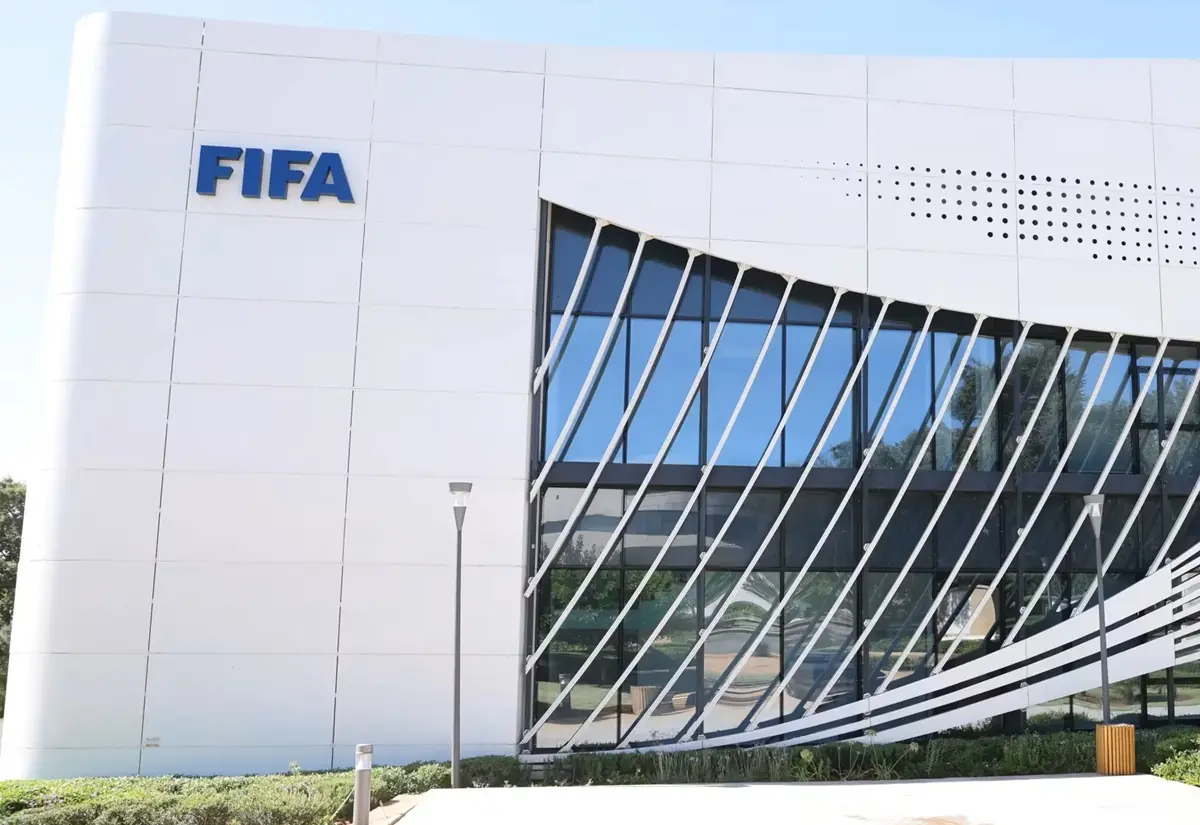
The international bodies’ decision comes less than two weeks after NFF President Ibrahim Musa Gusau, General Secretary Mohammed Sanusi and members of the federation’s Executive Committee resigned on August 27.
Gusau said he was stepping aside to make way for a comprehensive reform process aimed at addressing the institutional, governance and developmental challenges facing Nigerian football.
The departures created an immediate leadership vacuum within the federation and raised questions over the future of the electoral process that was scheduled to culminate in an elective congress on September 27.
The NFF subsequently suspended preparations for the congress and introduced interim measures to keep the federation’s operations running while discussions with FIFA, CAF, the Federal Government and other stakeholders continued.
Joint Abuja Mission Planned
Rather than immediately determine a permanent solution, FIFA and CAF are expected to use their proposed visit to Nigeria to gather more information from those directly involved in the crisis.
The delegation is expected to meet representatives of the NFF administration, members of the NFF Congress, the electoral committee and officials of the National Sports Commission.
Those discussions will allow FIFA and CAF to examine the circumstances surrounding the resignations and assess the implications for the federation’s governance and electoral framework.
The latest move follows a September 1 meeting at FIFA House in Zurich involving FIFA, CAF, the NFF administration and representatives of the Nigerian government, where discussions on a roadmap for comprehensive reforms were already underway.
READ ALSO:
September 27 NFF Election Now in Doubt
The suspension leaves the future of the proposed September 27 elective congress uncertain.
Before the latest FIFA-CAF intervention, the NFF had already halted all processes leading to the congress and indicated that a fresh electoral process would begin after the completion of proposed reforms.
That means Nigerian football is unlikely to return to a normal electoral timetable until the international governing bodies complete their assessment and agree with Nigerian stakeholders on a way forward.
FIFA and CAF have also made clear that they have not yet reached a final conclusion on the crisis.
What Happens Next for Nigerian Football?
The Abuja visit could therefore become a crucial moment in determining the future structure of the NFF.
Rather than simply replacing the officials who resigned, the discussions are expected to focus on broader governance reforms and how Nigeria can establish a stable administration capable of managing the country’s football affairs.
The crisis comes at a difficult time for Nigerian football, following the Super Eagles’ failure to qualify for the 2026 FIFA World Cup and the Super Falcons’ failure to reach the 2027 Women’s World Cup. The latter ended Nigeria’s run of appearing at every edition of the women’s tournament since its inception in 1991.
For now, attention shifts to Abuja and the outcome of the FIFA-CAF assessment.
The eventual recommendations could determine not only when the NFF’s next election takes place, but also whether Nigerian football emerges from the current crisis with a fundamentally different governance structure.

Olumide Atiba is a sports journalist with THEWILL, known for his keen news sense and compelling storytelling. He has built a reputation for turning leads into clear, well-structured reports that resonate with readers, with a strong focus on football coverage
