-
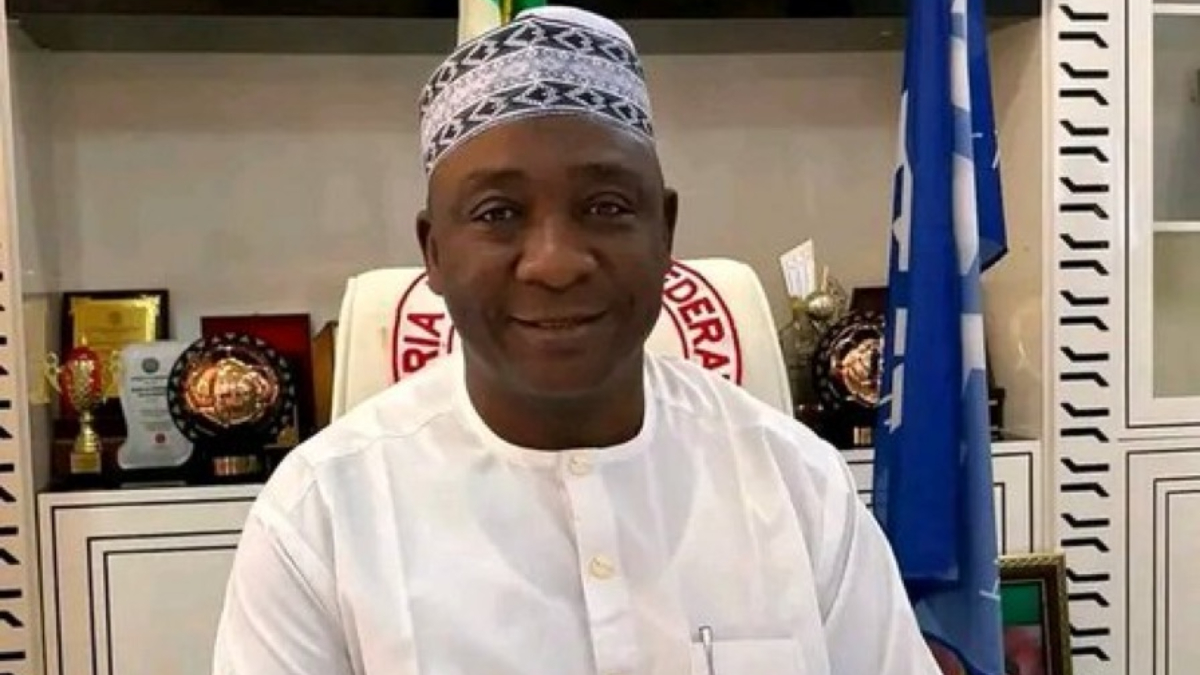
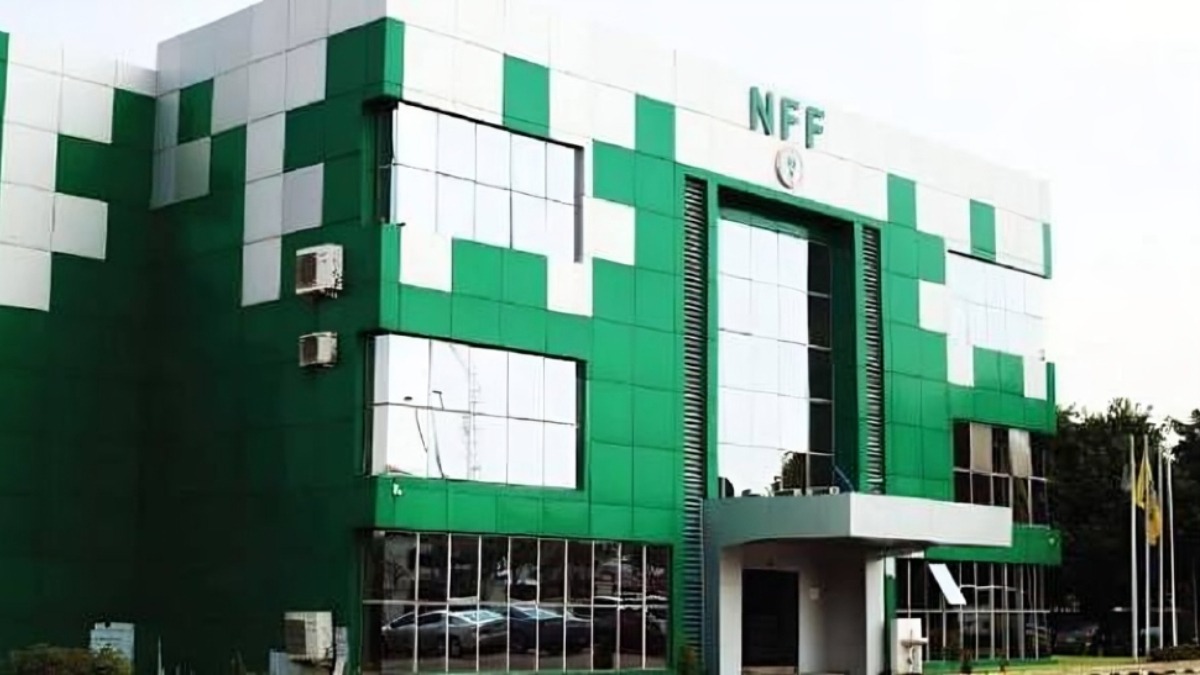
NFF President Ibrahim Gusau and several board members have reportedly resigned amid mounting pressure over the state of Nigerian football.
-
The development comes as security agencies scrutinise the federation’s handling of a ₦17 billion Federal Government intervention fund.
-
Nigeria’s failure to qualify for the 2027 Women’s World Cup has further intensified calls for accountability and reform.
August 27, (THEWILL) — The crisis engulfing Nigerian football has taken a dramatic turn, with Nigeria Football Federation (NFF) President, Ibrahim Gusau, and several members of the federation’s executive committee reportedly stepping down from their positions.
The resignations come at a difficult time for Nigerian football, with the NFF facing growing criticism over the performance and administration of the country’s national teams.
The latest setback was Nigeria’s failure to qualify for the 2027 FIFA Women’s World Cup after the Super Falcons lost 2-1 to South Africa in the qualification playoff.

The result ended Nigeria’s remarkable record of appearing at every edition of the Women’s World Cup since the tournament began in 1991.
The situation has also drawn the attention of security agencies, with the Department of State Services (DSS) reportedly examining the use of a ₦17 billion intervention fund released by the Federal Government.
The money was approved in 2024 to help settle outstanding wages, bonuses and other payments owed to Nigeria’s national teams.
According to reports, officials have been asked to provide documentation explaining how the funds were utilised.
The scrutiny has added another layer to the pressure facing the NFF, which has already been criticised over issues ranging from national-team preparations and unpaid bonuses to the state of domestic football.
Leadership At The Heart Of The Crisis
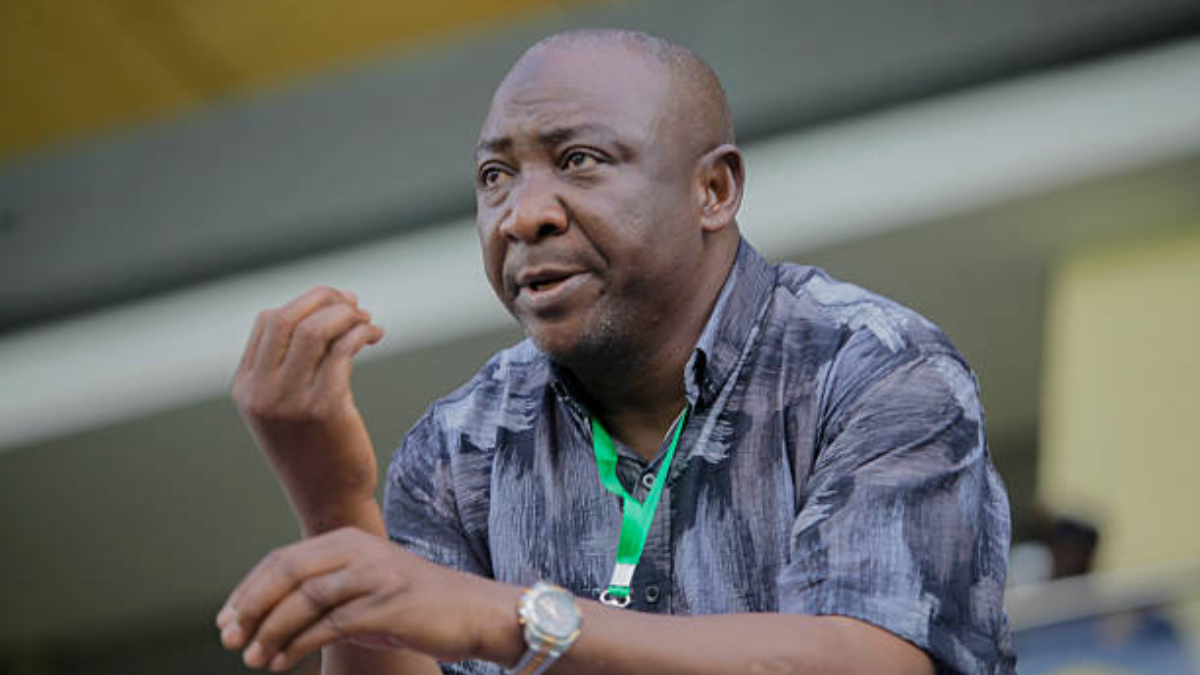
For Taiwo Ibrahim, a sports journalist with Sportivation Media, the problems go beyond individual failures and point to a deeper leadership crisis.
“The major problem of Nigerian football is lack of quality leadership”, Ibrahim said, arguing that leadership determines the quality of appointments, standards and decisions within the football structure.
“You can’t have a good structure with bad leadership”, he added, stressing that Nigeria’s wider football problems are connected to the way the game is being administered.
He also believes the government must accept some responsibility for the situation.
Taiwo said Nigerian football needs to move towards a business-driven model in which private investors are allowed to play a much greater role.
According to him, the lack of accountability has allowed repeated failures to go without sufficient consequences.
He pointed to problems across the national teams, age-grade football and domestic leagues, arguing that the difficulties are not limited to one particular section of the game.
Unpaid Bonuses Remain A Recurring Problem
One issue Ibrahim considers particularly damaging is the repeated dispute over bonuses and payments involving Nigeria’s national teams.
He identified the Super Eagles’ failure to qualify for the 2026 World Cup as one of the most embarrassing episodes in recent Nigerian football.
Before their decisive playoff against DR Congo, the players reportedly boycotted training while demanding outstanding match bonuses.
Nigeria subsequently lost the playoff, ending the Super Eagles’ hopes of reaching the World Cup in the United States, Canada and Mexico.
For Ibrahim, the incident highlighted a problem that has persisted for years.
“The issue of bonuses has been a recurring decimal in all the national teams in Nigeria”, he stated.
He believes the consequences extend beyond the players, with coaches also affected when payments are delayed.
“For many of them it is their livelihood”, Ibrahim noted, adding that financial uncertainty can affect motivation and even the ability of coaches to develop professionally.
READ ALSO:
What Next For The NFF?
The reported resignations could also create uncertainty around the NFF’s electoral process, with elections previously scheduled for September 27 in Lafia, Nasarawa State.
With several board members reportedly having already left their positions, questions will now be raised over how the federation will proceed and whether the planned elections can go ahead as scheduled.
More importantly, the latest developments have once again placed the leadership and administration of Nigerian football under the spotlight.
For a country with a deep football culture and a steady supply of talented players, the growing concern is no longer simply about results on the pitch.
It is about whether the structures responsible for managing that talent are capable of delivering the professional, accountable and properly organised system Nigerian football needs.

Olumide Atiba is a sports journalist with THEWILL, known for his keen news sense and compelling storytelling. He has built a reputation for turning leads into clear, well-structured reports that resonate with readers, with a strong focus on football coverage