
-
The European Union has committed up to €14m to support preparations for Nigeria’s planned 90,000-kilometre fibre-optic network.
-
The grant will fund network design, technical studies, project preparation and capacity building, not the full cost of deploying the infrastructure.
-
The Federal Government says the project is expected to expand broadband access, strengthen digital infrastructure and improve connectivity in underserved communities.
October 15, (THEWILL) – The European Union has committed up to €14m in grant funding to support preparations for Nigeria’s planned deployment of 90,000 kilometres of fibre-optic infrastructure aimed at expanding broadband access and strengthening the country’s digital economy.
The funding will cover network design, technical studies, project preparation and capacity building as the Federal Government advances plans to improve internet connectivity and extend digital services to underserved communities.
The agreement was signed in Abuja by representatives of the Federal Government, the European Union and the European Bank for Reconstruction and Development.

According to a statement issued on Wednesday by the Federal Ministry of Budget and Economic Planning, the grant will be administered by the EBRD to support preparatory activities for the nationwide fibre-optic backbone programme.
“The initiative, supported by the European Union and administered by the EBRD, provides up to €14m in funding for project scoping, fibre-optic network design, project preparation, and capacity-building activities for Nigeria’s nationwide fibre-optic backbone programme,” the statement said.
The proposed 90,000-kilometre network is expected to improve broadband availability, support businesses and expand access to digital services across the country.
However, the €14m grant is intended for preparatory work and institutional development rather than the actual deployment of the entire fibre-optic infrastructure.
FG outlines implementation responsibilities
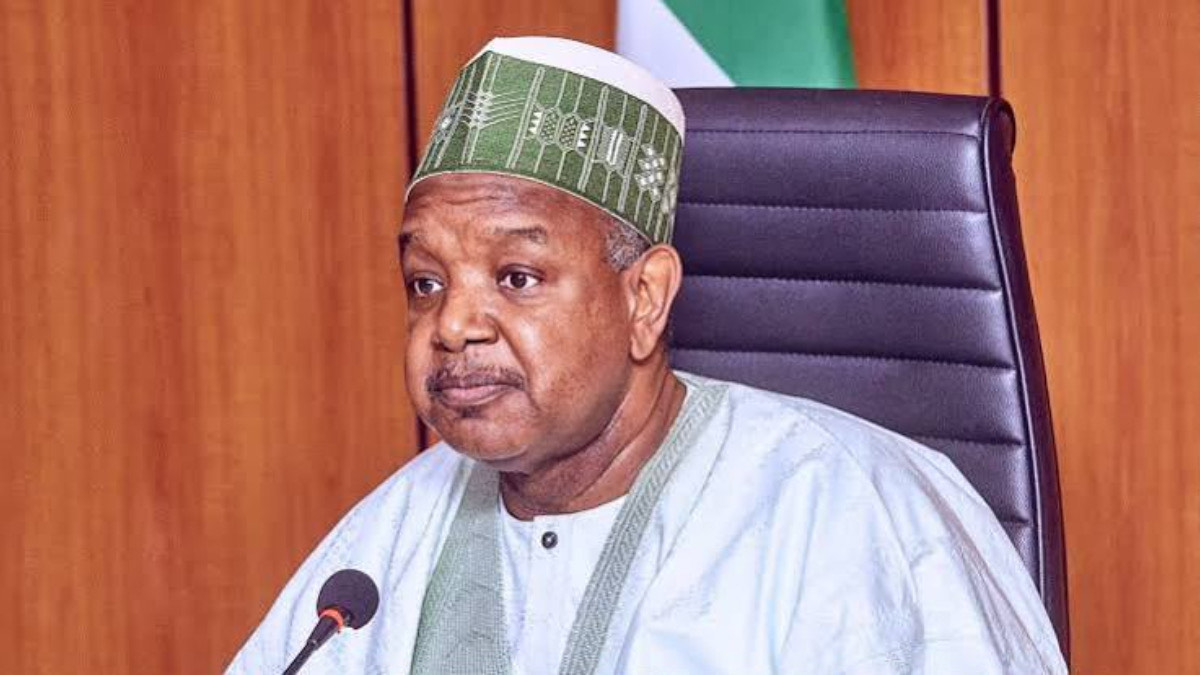
Speaking at the signing ceremony, the Minister of Budget and Economic Planning, Atiku Bagudu, said the partnership would strengthen Nigeria’s digital infrastructure and support broader economic development.
He explained that the intervention would extend beyond technical preparations to include institutional development, knowledge transfer and capacity building.
According to the ministry’s statement, Bagudu stressed that these components were necessary for effective project implementation, the development of national expertise and the long-term sustainability of investments in digital infrastructure.
The minister said the Federal Ministry of Budget and Economic Planning would coordinate and oversee the project, while the Federal Ministry of Communications, Innovation and Digital Economy would supervise its technical implementation.
READ ALSO:
He also reaffirmed the Federal Government’s commitment to international partnerships aimed at improving digital connectivity and promoting inclusive economic growth.
The ministry’s Permanent Secretary, Deborah Odoh, described the agreement as an important milestone in strengthening Nigeria’s digital infrastructure and institutional capacity.
Odoh said the ministry would execute the grant agreement on behalf of the Federal Government, while the communications ministry would oversee technical implementation through its project implementation units.
She also reaffirmed the government’s commitment to transparent coordination, effective implementation and sustained collaboration with development partners.
EU highlights digital transformation partnership
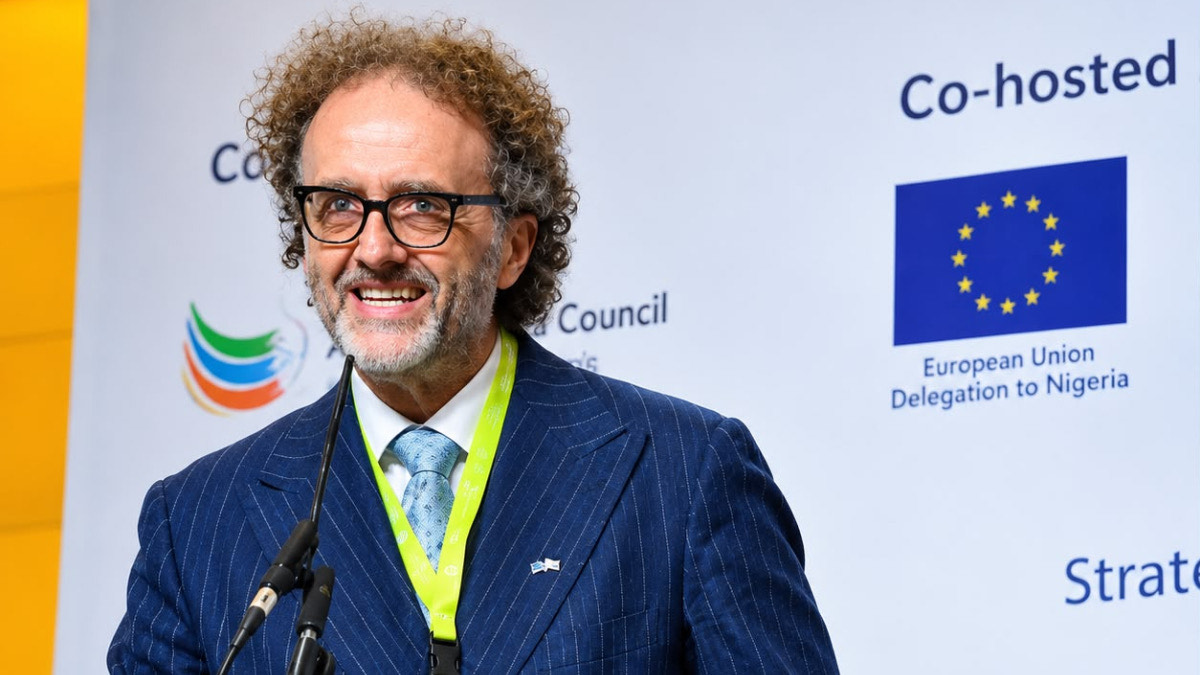
The European Union representative in Nigeria, Massimo De Luca, reaffirmed the bloc’s commitment to supporting Nigeria’s digital transformation through investment and institutional cooperation.
He called for continued engagement among the participating institutions to ensure timely implementation of the project.
The planned fibre-optic expansion comes as Nigeria seeks to improve broadband availability and strengthen the digital infrastructure required to support businesses, public services and technology-driven economic activity.
A wider fibre-optic backbone could help improve the reach and capacity of telecommunications networks, providing the underlying infrastructure needed for internet service providers and mobile operators to extend connectivity.
However, translating the planned network into broader access will depend on securing the funding required for deployment, coordinating implementation across relevant institutions and ensuring that the infrastructure reaches areas currently underserved by reliable broadband services.
The EU grant is expected to support the technical and institutional groundwork needed to advance the programme, while the financing and execution of the full 90,000-kilometre network remain separate from the preparatory funding announced.

Ogochukwu Onwaeze is a writer specializing in business and economic journalism. At THEWILL News Media, she translates market trends, financial developments, and policy shifts into clear and engaging stories.
