
-
IMF warns that reinstating blanket petrol subsidies could place additional pressure on Nigeria’s public finances.
-
The Fund recommends targeted financial support for vulnerable households and transport subsidies instead of universal fuel price interventions.
-
Federal Government recently introduced a 30-day petrol discount at NNPC retail outlets to cushion the impact of rising fuel prices.
-
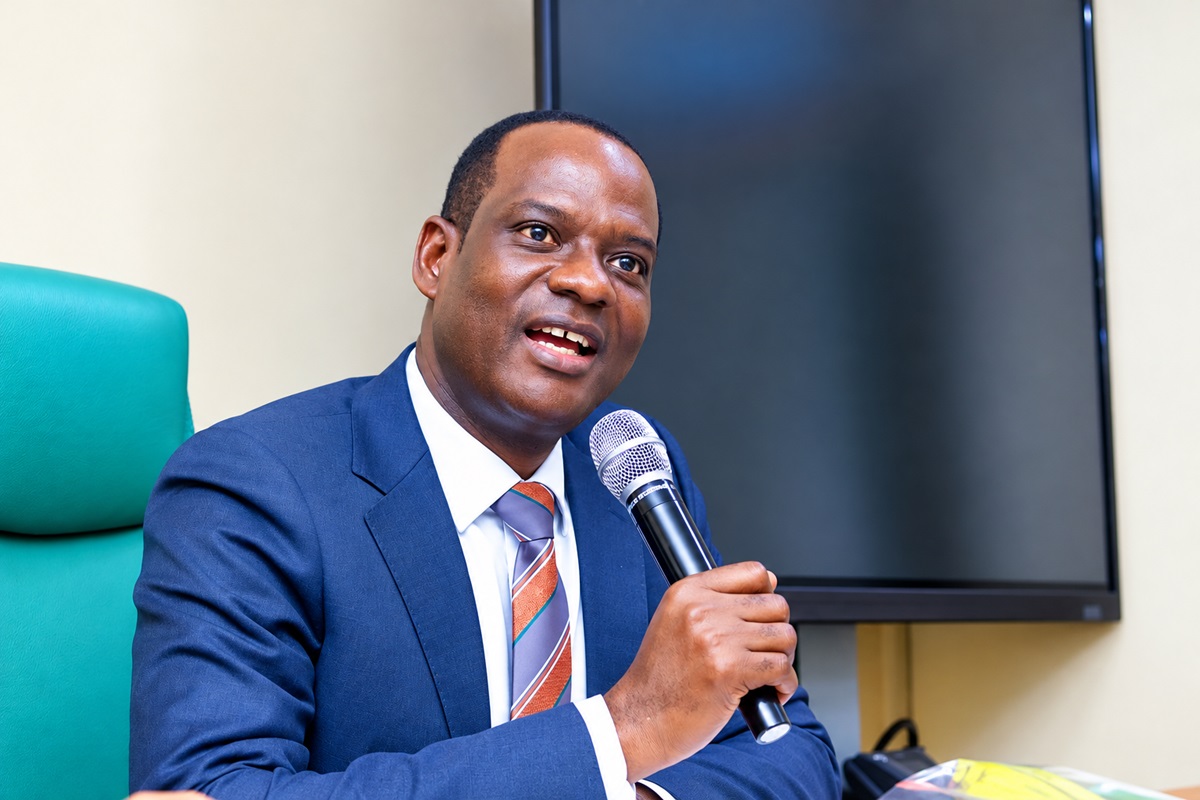
Finance Minister Taiwo Oyedele says the temporary discount does not amount to a return to the petrol subsidy regime.
October 15, (THEWILL) – The International Monetary Fund has warned Nigeria against reinstating blanket petrol subsidies amid mounting political pressure ahead of the elections, urging the Federal Government to prioritise targeted support for vulnerable households facing rising energy and transportation costs.
The Director of the IMF’s Fiscal Affairs Department, Rodrigo Valdés, gave the warning on Wednesday during the IMF and World Bank Group Annual Meetings in Bangkok, Thailand, while responding to questions about growing calls for the restoration of petrol subsidies in Nigeria.
Valdés acknowledged that rising fuel prices could create significant political challenges for governments but argued that subsidising petrol consumption across the board would impose substantial costs on public finances, particularly when higher prices reflect developments in the global energy market.

“At the end of the day, it’s very tempting politically speaking because it’s not trivial the political effect of the price of oil, of fuels, of gasoline, of diesel,” he said.
He urged the government to explain that the increase in fuel prices was linked to a global shock and that shielding all consumers from its effects could be expensive for the country.
“And third, it’s much better to use some of that money that would be spent in the subsidies channelled towards more vulnerable people,” Valdés added.
IMF advocates targeted support
The IMF official maintained that governments could achieve better social outcomes by directing limited public resources towards households most affected by higher living costs rather than subsidising fuel for every consumer, irrespective of income.
He identified transportation support as a possible alternative, suggesting that governments could subsidise bus fares to protect commuters without suppressing fuel prices across the economy.
“Yeah, gasoline could go up, and perhaps bus fees may be subsidised in a way. That is a much better policy at the end of the day than just a blanket subsidy for everybody,” he said.
The recommendation reflects the IMF’s longstanding position that universal fuel subsidies can strain public finances while disproportionately benefiting higher-income households, which typically consume more petroleum products.
Targeted assistance, by contrast, allows governments to concentrate spending on vulnerable groups while preserving the price signals that encourage consumers and businesses to adjust their energy consumption when supplies become more expensive or constrained.
For Nigeria, the debate comes amid renewed concerns about petrol affordability and the effect of rising energy costs on transportation, food distribution, and household budgets.
READ ALSO:
FG introduces temporary petrol discount
In response to the pressure, the Federal Government recently introduced a 30-day petrol price discount at Nigerian National Petroleum Company Limited retail outlets, identifying public transport operators as priority beneficiaries.
The Minister of Finance and Coordinating Minister of the Economy, Taiwo Oyedele, said the arrangement would require NNPC Retail to temporarily surrender its profit margin and sell petrol at cost as part of efforts to ease the burden on consumers.
Oyedele, however, maintained that the measure was a temporary intervention rather than a reinstatement of the petrol subsidy regime.
The distinction is significant for government finances, given the fiscal implications associated with subsidising fuel consumption nationwide.
Under a blanket subsidy arrangement, the government effectively bears some of the cost of keeping prices below market levels, potentially reducing resources available for infrastructure, healthcare, education and other public services.
A targeted transport intervention would instead focus assistance on specific beneficiaries, although its effectiveness would depend on the eligibility criteria, funding arrangements and how much of the savings are passed on to commuters.
Supply concerns add to fiscal risks
Beyond the cost to government, Valdés warned that fuel subsidies could worsen supply pressures during periods of disruption by weakening consumers’ incentives to reduce consumption when petroleum products become scarce.
When governments maintain artificially low prices during a supply shock, demand may remain elevated even as the cost of obtaining fuel increases.
This can intensify pressure on available supplies and potentially contribute to further price increases in international markets.
For Nigeria, the challenge is balancing immediate relief for households and businesses against the need to manage public expenditure and respond to global energy market developments.
The IMF’s position is that governments should avoid broad-based subsidies and use more targeted measures to protect vulnerable consumers while allowing prices to reflect underlying market conditions.
The Federal Government’s temporary discount therefore provides a test of whether limited, time-bound interventions can cushion the effects of higher petrol prices without recreating the fiscal burden associated with a universal subsidy regime.

Ogochukwu Onwaeze is a writer specializing in business and economic journalism. At THEWILL News Media, she translates market trends, financial developments, and policy shifts into clear and engaging stories.
