
-
Tony Elumelu says oil theft losses at Heirs Energies have plunged from 97% to 2%, with 98% of production now reaching the terminal.
-
Nigeria’s crude output hit 1.56 million barrels per day in June, its highest monthly level since April 2020.
-
Elumelu says Heirs Energies can now access dollars without relying on connections at the Central Bank of Nigeria.
-
Higher crude recovery and easier FX access have improved the operating environment for Heirs Energies.
August 23, (THEWILL) — Nigerian businessman, Tony Elumelu, said oil theft losses at his company’s assets have fallen from 97% to 2%, saying the turnaround has restored profitability and made it easier for the company to obtain dollars without relying on personal connections at the central bank.
Elumelu, the chairman of Heirs Holdings, said his company had previously been losing almost all of its oil production to theft but was now retaining 98% of its output.
“Until 2023, we were producing and losing 97% of our oil production”, Elumelu said, according to a transcript of his remarks circulated online.

He said the company received 98% of its production at the terminal in June 2026, implying a 2% loss.
“Last month, for the month of June, we got 98%, so only 2% loss”, he added.
Elumelu also said the company no longer needed to “know anyone at the CBN” to access dollars, pointing to the changes in Nigeria’s foreign exchange market since Tinubu took office.
Social media posts about the remarks have portrayed the 97%-to-2% change as a nationwide collapse in oil theft. Elumelu was referring to his own operations, however, and the figures should not be applied to Nigeria’s entire oil industry.
Heirs Energies, the oil and gas company controlled by Elumelu’s Heirs Holdings, took operational control of Oil Mining Lease 17 in July 2021.
Company records show that oil losses caused by theft peaked at 97% late that year, when only a small fraction of production reached the terminal. By 2024, Heirs said theft-related losses had fallen to less than 15%.
In a 2024 interview, Heirs Energies Chief Executive Osa Igiehon said more than 95% of production had been lost or stolen at one point after the takeover.
Production resumed after the company worked with government and other stakeholders to improve security and repair infrastructure. He said losses had subsequently fallen below 15%.
Elumelu has since put Heirs Energies’ production at more than 58,000 barrels of crude oil a day. He has also credited African Export-Import Bank and African Finance Corporation with helping finance the acquisition and expansion of the assets.
Nigeria’s Oil Recovery Gives Elumelu’s Claim A Wider Context
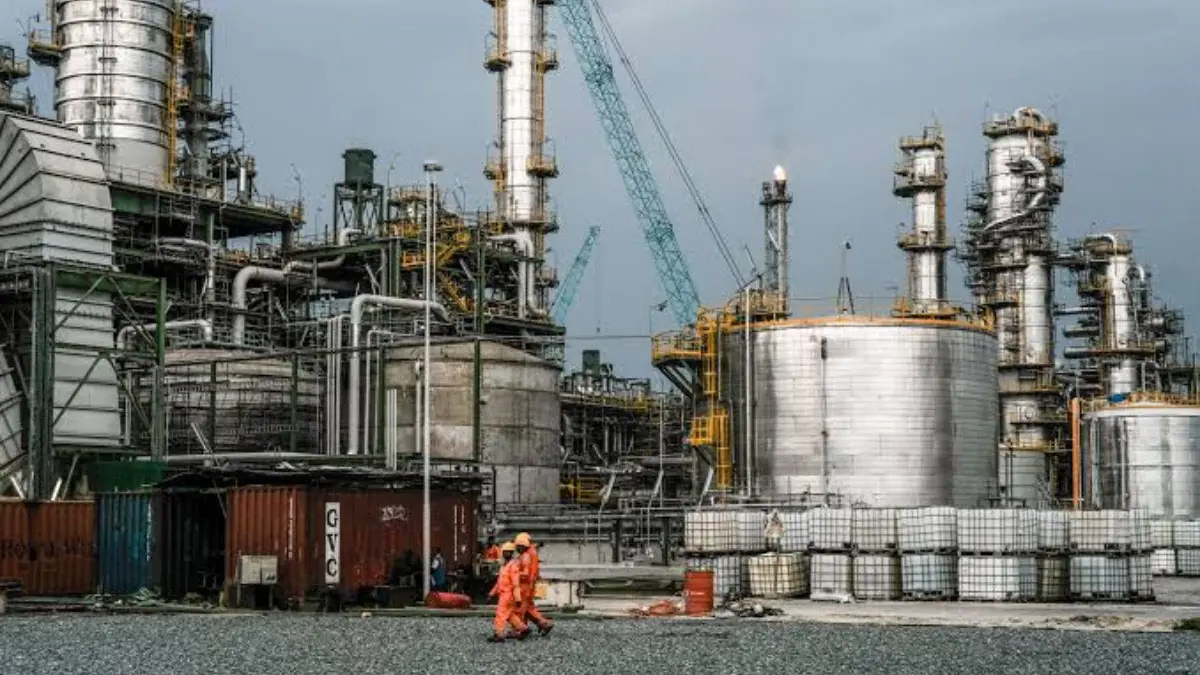
National production has improved alongside the turnaround at Heirs Energies, although Nigeria’s overall oil-theft rate cannot be inferred from the company’s 2% figure.
Crude production averaged 1.56 million barrels per day in June, the highest monthly level since April 2020, according to the Nigerian Upstream Petroleum Regulatory Commission. Adding condensates took total oil production to 1.735 million bpd, up from 1.70 million bpd in May.
July brought a modest pullback. NUPRC data showed crude output at 1.505 million bpd and condensates at about 170,000 bpd, giving combined production of roughly 1.67 million bpd.
Nigeria nevertheless remained above its OPEC crude-production quota for a third consecutive month.
NUPRC attributed the June increase to stable operations, improved pipeline reliability and the absence of major outages. National production has climbed substantially from the lows recorded in 2022, when crude output fell to around 960,000 bpd.
Security operations have also intensified across the oil-producing Niger Delta.
In July, the Nigerian Navy said it had conducted more than 580 intelligence-led operations since April, recovered more than 4.7 million litres of stolen crude and illegally refined products, arrested more than 91 suspects and dismantled 48 illegal refining sites.
NUPRC has previously estimated national oil theft at about 5,000 barrels per day.
That number and Elumelu’s 97%-to-2% figures describe different things. His figures represent the proportion of Heirs Energies’ production lost before reaching its terminal; NUPRC’s estimate measures stolen crude nationally in barrels per day.
Nigeria can therefore record a national decline in oil theft without matching the 2% loss rate reported by Heirs Energies.
READ ALSO:
Easier Dollar Access Adds Another Piece To The Oil-Sector Turnaround
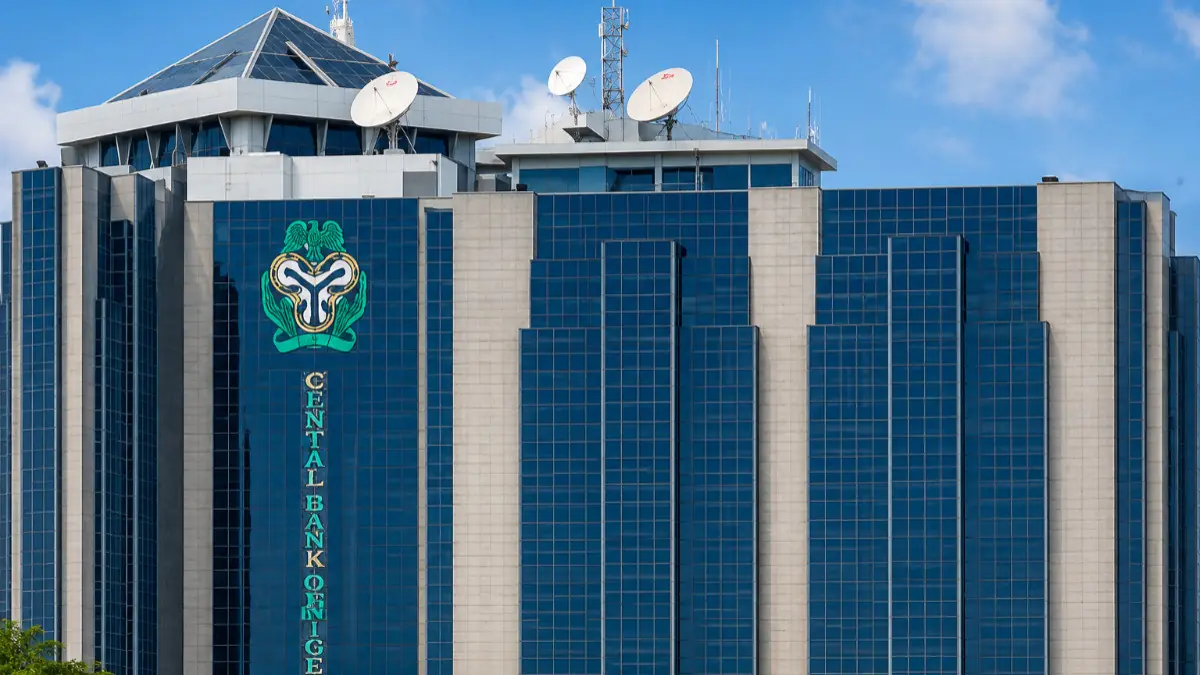
Elumelu’s comments on dollar access come after sweeping changes to Nigeria’s foreign-exchange system since Tinubu became president in May 2023.
The Central Bank of Nigeria moved towards a more market-driven exchange-rate system and introduced measures to improve transparency and liquidity. It has also said it cleared verified foreign-exchange backlogs and introduced electronic systems for trading
In March 2026, the CBN removed a restriction that had limited international oil companies to immediately repatriating 50% of their export proceeds.
Under the revised rules, oil companies can repatriate 100% of export proceeds through authorised dealer banks, subject to documentation and reporting requirements.
For an oil producer, reliable access to dollars matters well beyond currency trading. Equipment, technical services, financing and other international obligations can require payment in foreign currency, making access to FX a direct business concern.
Nigeria’s currency problems have not disappeared. The naira has undergone a major devaluation since the 2023 reforms, while high prices and financing costs continue to weigh on businesses and households.
For Elumelu, though, improved crude recovery and easier access to foreign exchange mark a sharp change from the conditions that confronted Heirs Energies after it took over OML 17.
His 97%-to-2% comparison captures that turnaround at the company level. It does not show that oil theft across Nigeria has fallen by the same proportion.
What the available figures do show is a more specific shift: Heirs Energies has gone from losing almost all of its crude before it reached the terminal to recovering almost all of it, while Nigeria’s national oil production has risen to its strongest level in years and the foreign-exchange market has become less dependent on discretionary access to dollars.

Joy Onuorah is a business journalist and brand communications specialist covering financial markets, artificial intelligence, digital economy, and the ideas reshaping business across Africa and the global market. Beyond her reporting for TheWill, Joy uses brand strategy, storytelling, copywriting, and high-value SEO to help brands build lasting market authority.