
-
Nigeria’s crude oil production remained above 1.5 million barrels per day for the third consecutive month in July despite a 50,000bpd decline from June.
-
OPEC data showed Q2 output averaged 1.525 million bpd, up from 1.388 million bpd in Q1, reflecting a significant improvement in production.
-
The sustained output could support crude supplies to local refineries, government revenues and Nigeria’s efforts to attract investment into the upstream oil sector.
August 12, (THEWILL) — Nigeria sustained crude oil production above 1.5 million barrels per day (bpd) for the third consecutive month in July 2026, despite a decline from the previous month, according to the latest data from the Organisation of the Petroleum Exporting Countries (OPEC).
OPEC’s Monthly Oil Market Report showed that Nigeria’s crude oil output fell to 1.505 million bpd in July from 1.555 million bpd in June, representing a decline of 50,000 bpd or 3.2 percent.
Despite the monthly drop, production remained above the 1.5 million bpd mark, extending the improvement recorded since May and keeping Nigeria among Africa’s leading crude oil producers.


Production remains above first-quarter levels
The July figure remained significantly above Nigeria’s average production in the first quarter of 2026, when output stood at 1.388 million bpd.
According to OPEC data, average production increased to 1.525 million bpd in the second quarter, representing a rise of 137,000 bpd or 9.9 percent from the Q1 average.
READ ALSO:
Nigeria’s Crude Oil Output Hits 74-Month High, Exceeds OPEC Quota
Nigeria Records $6.51bn Oil Windfall As Output Beats OPEC Quota
OPEC+ Approves More Crude Supply as Nigeria Pushes to Hit 1.84m bpd Budget Target
The production trend compares with an average of 1.415 million bpd in Q4 2025 and 1.432 million bpd for the full year.
Nigeria’s average production was 1.345 million bpd in 2024.
The latest figures also placed Nigeria ahead of Libya and Algeria in July. Libya produced 1.391 million bpd, while Algeria recorded 995,000 bpd. OPEC did not provide production figures for Congo and Gabon.
The improvement means that while Nigeria experienced a month-on-month decline in July, production has remained considerably stronger than levels recorded earlier in the year.
Higher Output Supports Domestic Refining
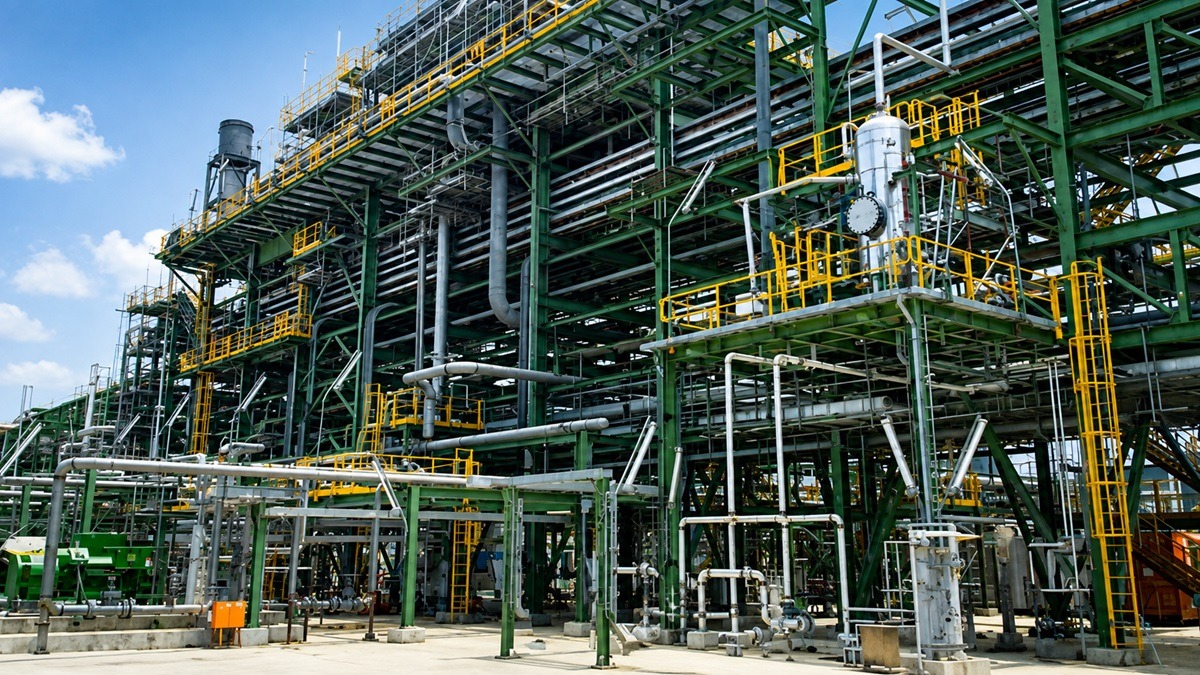
The increase in crude production has coincided with stronger supplies to local refineries as Nigeria continues efforts to expand domestic refining capacity.
The Nigerian Upstream Petroleum Regulatory Commission (NUPRC) said domestic crude oil and condensate supply to local refineries reached 97.4 per cent of allocated volumes in the second quarter.
Local refiners received 53.7 million barrels between April and June, with the Dangote Refinery accounting for the largest share of crude offered during the period.
Higher production could therefore provide additional volumes for both domestic refining and exports.
However, national production does not automatically translate into equivalent volumes available to local refiners or export markets, as supply is also affected by crude grades, contractual arrangements, domestic supply obligations and operational conditions.
Revenue, FX implications
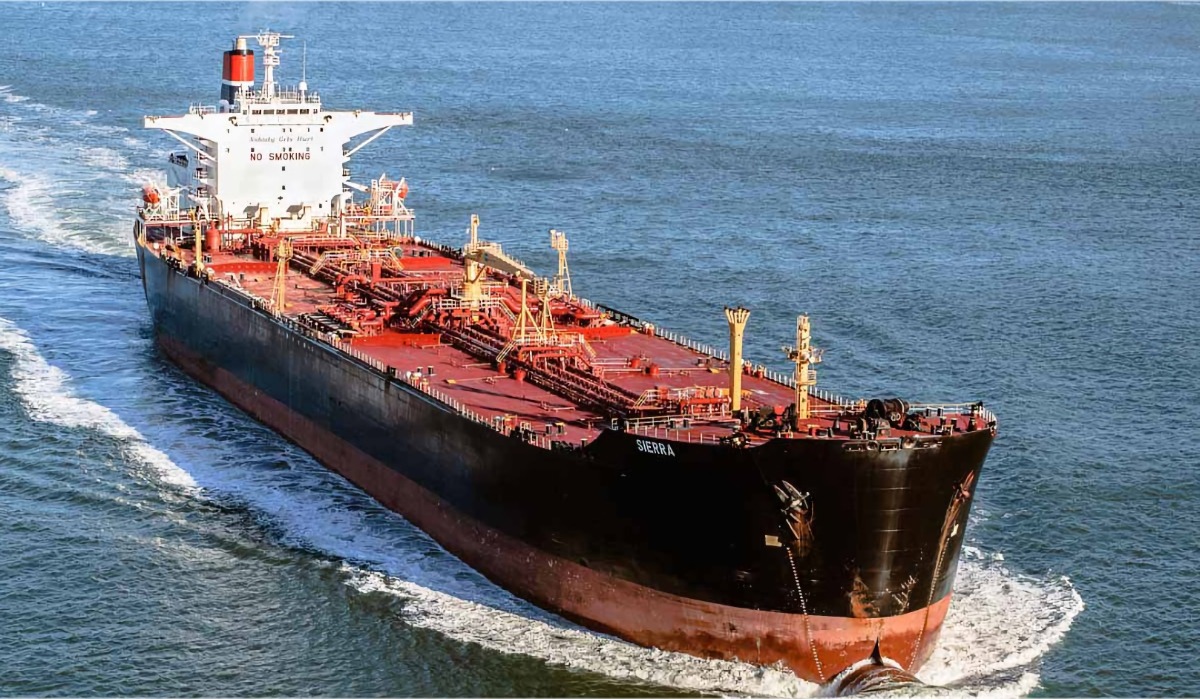
Sustained growth in crude production remains important for Nigeria because oil continues to be a major source of government revenue and foreign exchange earnings.
An increase in production could raise export volumes and improve government receipts, although the actual impact will also depend on international oil prices, production costs and the volume of crude ultimately exported.
The recovery also comes as the Federal Government and NUPRC pursue measures aimed at attracting investment into the upstream sector and increasing production.
Nigeria is targeting crude oil production of 3 million bpd by 2030. July’s 1.505 million bpd output therefore represents about half of that target, highlighting both the progress made in recent months and the scale of the increase still required.
For now, the key development is that Nigeria has maintained crude production above 1.5 million bpd for three consecutive months, strengthening the production base for higher oil revenues, domestic refining and further upstream investment.

Ogochukwu Onwaeze is a writer specializing in business and economic journalism. At THEWILL News Media, she translates market trends, financial developments, and policy shifts into clear and engaging stories.