
-
Nigeria unveils transformed anti-drug architecture, combining enforcement, public health, technology and financial investigations.
-
NDLEA reports ₦2.5trn drug seizures, 38,242 arrests and 6,232 convictions in 21 months.
-
New offensive shifts focus from arrests and seizures to drug barons, criminal networks and illicit fortunes.
-
Nigeria urges UN members to strengthen intelligence-sharing, asset recovery and coordinated action against global drug cartels.
October 14, (THEWILL) – Nigeria’s National Drug Law Enforcement Agency (NDLEA) has told the United Nations that it seized more than 5.8 million kilogrammes of illicit drugs valued at over ₦2.5 trillion, arrested 38,242 suspects and secured 6,232 convictions between January 2025 and September 2026, as the country intensifies efforts to dismantle drug trafficking networks and their financial structures.
A statement signed on Tuesday by NDLEA Spokesperson, Femi Babafemi, said the agency presented the figures on Monday at the ongoing 81st Session of the United Nations General Assembly in New York, United States, where it showcased Nigeria’s evolving drug control architecture as a model of institutional transformation in response to increasingly sophisticated trafficking networks.
Chairman and Chief Executive Officer of the NDLEA, Brig. Gen. Mohamed Buba Marwa (rtd), in Nigeria’s statement delivered before the Assembly, said the country’s approach had moved beyond conventional arrests and seizures to intelligence-led enforcement, financial investigation, treatment and rehabilitation, technology, alternative livelihoods and international cooperation.

Marwa, who was represented by the Agency’s Secretary, Shadrach Haruna, spoke under the session’s theme, “Restoring Trust, Managing Transformation: A United Nations that Delivers for All.”
He said changing patterns of organised crime had compelled Nigeria to rethink its response to illicit drugs, with traffickers increasingly exploiting technology, international financial systems and cross-border networks to conceal their operations and criminal proceeds.
“Trafficking networks have become more sophisticated, technology has opened new channels for illicit activity, criminal proceeds move rapidly across borders, and drug dependence continues to affect individuals, families and communities,” Marwa said.
He added that Nigeria had consequently broadened its focus from merely targeting drugs and individual offenders to attacking the criminal networks, illicit profits and socioeconomic vulnerabilities sustaining the illegal drug economy.
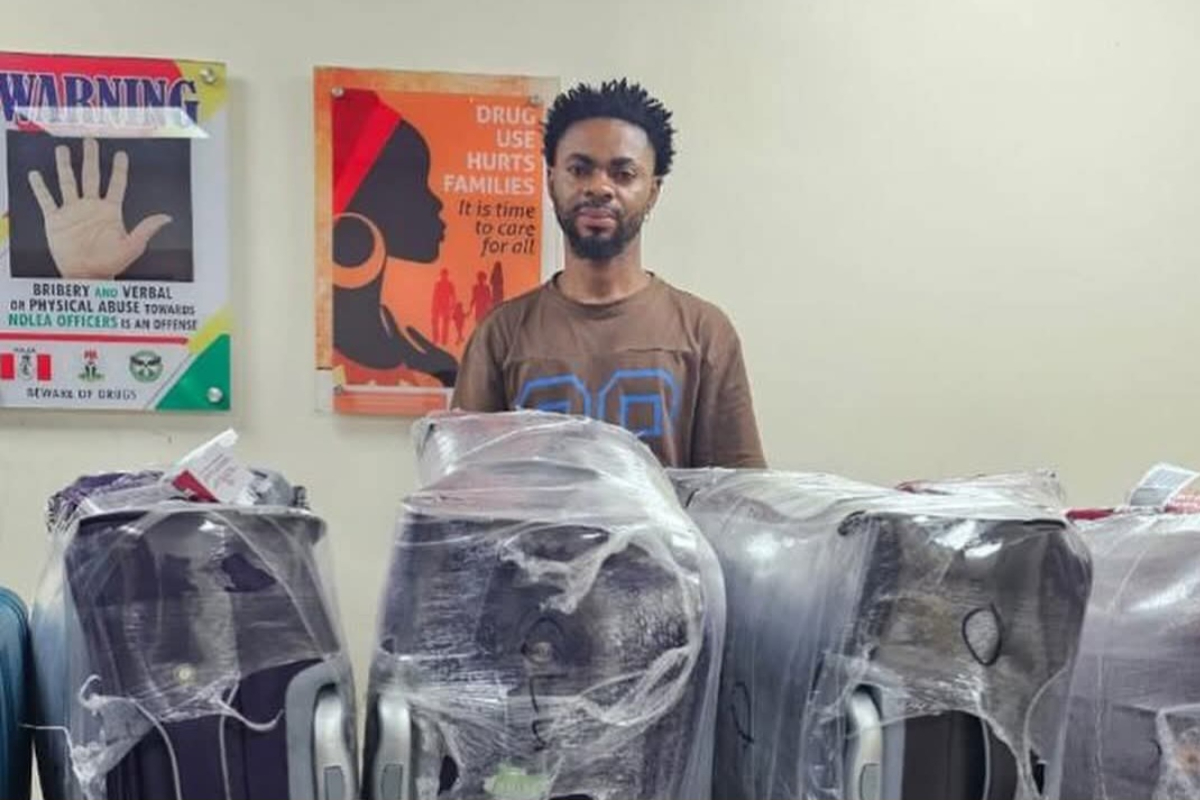
According to figures presented by the Agency, the new approach produced 38,242 arrests between January 2025 and September 2026, alongside seizures exceeding 5.8 million kilogrammes of illicit substances valued at more than ₦2.5 trillion.
Within the same 21-month period, NDLEA secured 6,232 convictions, while more than 16,303 people received counselling, treatment or rehabilitation services.
The Agency said its drug prevention and public sensitisation campaigns also reached millions of Nigerians across the country.
The figures build on Nigeria’s earlier disclosure at the 69th Session of the Commission on Narcotic Drugs in Vienna that NDLEA recorded more than 19,944 arrests and seized approximately 4.9 million kilogrammes of illicit substances in 2025 alone.
Shifting Battle to Drug Barons’ Wealth
Marwa said Nigeria was increasingly moving away from judging the success of its anti-narcotics campaign solely by the volume of drugs seized or the number of suspects arrested.
Instead, he said, greater attention was being directed at major traffickers, organised criminal structures and the financial networks that allow cartels to survive even after their operatives have been arrested.
NDLEA also highlighted its Alternative Development initiative, currently being piloted in three communities in Ondo State, as part of efforts to tackle illicit cannabis cultivation from its economic roots.
Under the programme, communities dependent on illegal cannabis cultivation are being encouraged and supported to move into legitimate agricultural production.
Marwa said destroying illicit crops without providing viable economic alternatives to affected communities would be insufficient to achieve sustainable drug control.
According to him, alternative livelihoods could simultaneously strengthen food security, community resilience and national security while reducing the economic incentives driving illicit cultivation.
READ ALSO:
Technology, New Master Plan
The NDLEA Chairman also pointed to the Agency’s Drug Integrity Test and Visa E-Administration System as part of a wider deployment of technology to improve accessibility, efficiency, transparency and integrity in public administration.
He said the reforms were being consolidated under Nigeria’s National Drug Control Master Plan 2026–2030, built around six pillars — drug supply reduction; drug demand reduction; access to controlled medicines; governance and coordination; alternative development; and disruption of the illicit drug economy.
The new framework succeeds the 2021–2025 master plan and is designed to respond to emerging threats, including synthetic drugs, digital trafficking channels, precursor chemicals and illicit financial flows. Earlier in 2026, Marwa said lessons and identified gaps from the previous plan would be incorporated into the new strategy.
Nigeria Seeks Global Offensive Against Cartels
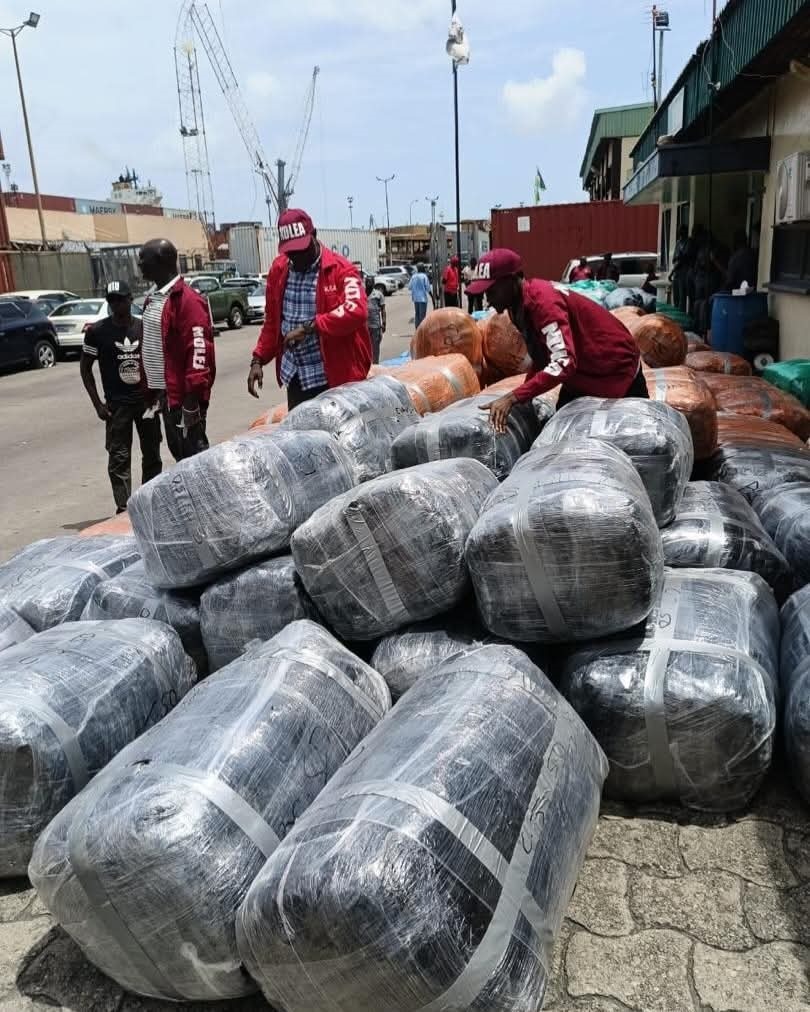
Nigeria used the UN platform to call for deeper international cooperation, warning that increasingly sophisticated trafficking organisations could exploit weaknesses between jurisdictions if countries failed to share intelligence rapidly.
It urged countries and international organisations to intensify financial investigations, asset tracing and recovery operations aimed at stripping traffickers of proceeds from the illicit drug trade.
Nigeria also called for stronger prevention, treatment, rehabilitation and reintegration programmes alongside law enforcement, arguing that drug control must address both the criminal and public health dimensions of the crisis.
The country further sought greater international support for alternative development programmes to provide sustainable livelihoods for communities abandoning illicit drug cultivation, as well as enhanced training and capacity development for law enforcement officers confronting increasingly innovative drug cartels.
Nigeria equally called for increased investment in technology, forensic capabilities, treatment infrastructure and sustained technical assistance, particularly for institutions in developing countries.
Marwa, however, described Nigeria’s evolving approach as a continuing process rather than a finished model, saying the country remained willing to share its experience and learn from other jurisdictions.
Nigeria, he said, would continue working with UN Member States and international partners to translate commitments into implementation and international cooperation into coordinated action against the global illicit drug trade.
Felix Ifijeh is a journalist with years of professional reporting experience. Known for his keen news sense, compelling storytelling and commitment to accurate, impactful reporting, he has built a reputation for turning leads into clear, engaging, and well-structured reports that resonate with readers. His work reflects deep newsroom experience and a commitment to accurate, impactful journalism.
