-
Delta, Bayelsa and Akwa Ibom shared N242.63 billion in the first quarter, accounting for about 75.4 percent of the N321.90 billion derivation funds distributed to Nigeria’s 11 oil-producing states.
-
Delta emerged as the biggest beneficiary with N101.60 billion, while Bayelsa received N71.64 billion and Akwa Ibom got N69.39 billion during the three months.
-
Rivers State received N46.09 billion, pushing the combined share of the four leading beneficiaries to N288.72 billion, or nearly 90 percent of the total derivation allocation.
August 07, (THEWILL) — Nigeria’s oil-producing states shared N321.90 billion under the 13 percent derivation principle in the first quarter of 2026, with Delta, Bayelsa and Akwa Ibom accounting for about three-quarters of the total.
Data published by BudgIT Nigeria, based on figures from the National Bureau of Statistics and the Federation Account Allocation Committee, showed that 11 states benefited from derivation payments between January and March 2026.
Delta State emerged as the largest beneficiary with N101.60 billion, followed by Bayelsa with N71.64 billion and Akwa Ibom with N69.39 billion.

Together, the three states received N242.63 billion, representing approximately 75.4 percent of the N321.90 billion shared during the quarter.
Delta Takes The Biggest Share
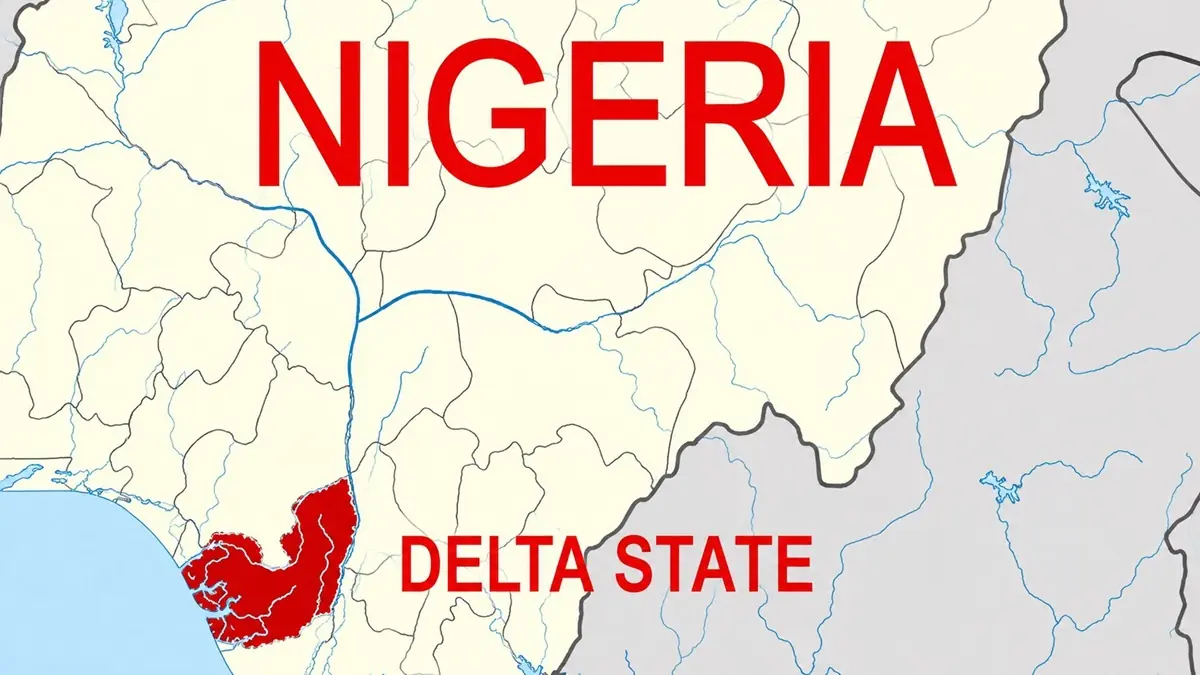
Delta’s N101.60 billion allocation accounted for about 31.6 percent of the total derivation funds distributed to the 11 beneficiary states.
Bayelsa received N71.64 billion, representing about 22.3 percent, while Akwa Ibom’s N69.39 billion amounted to roughly 21.6 percent.
The concentration becomes even more pronounced when Rivers State is included.
READ ALSO: FAAC Shares ₦2.3trn May 2026 Revenue to FG, States, LGs
Rivers received N46.09 billion during the quarter, bringing the combined allocation to the four leading beneficiaries to N288.72 billion, or almost 90 percent of the total derivation pool.
The figures highlight the significant difference in petroleum-linked revenue among the states classified as oil producers.
Huge Gap Among Beneficiaries
The remaining states received considerably smaller amounts during the period.
Ondo received N9.39 billion, Edo received N7.47 billion, and Imo received N7.39 billion. Abia received N5.42 billion, followed by Anambra with N3.49 billion.
At the bottom of the distribution were Enugu and Kogi, which each received N46,991.
The difference between the largest and smallest beneficiaries was therefore substantial. Delta’s N101.60 billion allocation was more than two million times the amount received by either Enugu or Kogi.
The disparity reflects the concentration of petroleum production and related activities across Nigeria’s oil-producing states, with states hosting larger producing assets generally receiving significantly higher derivation revenues.
What The 13 Percent Derivation Means
Nigeria’s 13 percent derivation principle provides oil-producing states with a share of revenue generated from natural resources extracted from their territories.
The arrangement is intended to compensate producing states and give them additional resources to address development needs associated with oil and gas activities.
Because payments are largely linked to petroleum production, differences in output can lead to significant variations in the amounts received by individual states.
The Q1 figures therefore show how heavily Nigeria’s derivation revenue remains concentrated among its major oil-producing states.
READ ALSO: FAAC Revenue Soars 33 Percent To ₦4.5trn, Delivering Bigger June Payouts To FG, States And LGs
Imo, Emerging Producers Also Receive Funds
Imo’s N7.39 billion allocation places it among the lower beneficiaries despite the state’s significant gas reserves and ongoing upstream activities. The state has continued to attract oil and gas investment, although its derivation receipts remain far below those of Delta, Bayelsa, Akwa Ibom and Rivers.
Meanwhile, the relatively small allocations to Enugu and Kogi reflect their current production levels compared with the country’s established oil-producing states.
The distribution also comes against a broader increase in derivation payments in recent years.
Oil-producing states shared N1.51 trillion in derivation funds in 2025, compared with N671.9 billion in 2024, according to the data cited in the analysis.
The number of beneficiary states has also increased to 11, with Enugu and Kogi joining the group, although their current allocations remain marginal.
The Q1 2026 figures ultimately show that while Nigeria’s 13 percent derivation system provides additional revenue to oil-producing states, the bulk of the funds continues to flow to a small group of states with the largest petroleum production base.

Ogochukwu Onwaeze is a writer specializing in business and economic journalism. At THEWILL News Media, she translates market trends, financial developments, and policy shifts into clear and engaging stories.