
-
CoinGecko recorded about 11.6 million token failures in 2025.
-
Bitcoin still accounts for more than half of crypto’s market value.
-
Terra and FTX exposed different weaknesses behind spectacular losses.
-
Ethereum, rival networks and dollar-linked stablecoins have built markets beyond Bitcoin.
September 15, (THEWILL) – Creating another cryptocurrency has become easy. Giving people a reason to keep using it remains a much harder business.
CoinGecko recorded roughly 11.6 million token failures in 2025 alone.
Its study classified tokens as failed when they had previously traded but were no longer actively traded, using GeckoTerminal data covering July 2021 to December 2025. CoinGecko’s failure study

Yet Bitcoin, launched in 2009, still accounts for more than half of the industry’s market value. During checks on September 15, CoinGecko valued the overall market at approximately $2.74 trillion, with Bitcoin representing about 57% and Ethereum roughly 11%. These valuations fluctuate with prices. CoinGecko market data
Seventeen years of launches have produced new uses, serious competitors and fortunes. They have also left a market in which millions of tokens stopped trading while a relatively small group retained substantial value.
A Dead Token Is Not Always a Dead Business
Crypto’s failure count needs context.
GeckoTerminal tracks a much broader population of tokens than CoinGecko’s main cryptocurrency listings, including tiny assets traded on decentralised exchanges. A token becoming inactive does not necessarily mean a functioning blockchain company went bankrupt.
Launch platforms have made it possible to create speculative assets with little development work. Their disappearance contributes to the enormous failure count.
Terra’s collapse was a different event altogether.
Its UST stablecoin was designed to stay near $1 through a mechanism linked to its sister token, LUNA.
When UST lost that peg in May 2022, the arrangement unravelled, destroying approximately $40 billion in market value.
READ ALSO:
Terraform Labs and co-founder Do Kwon were subsequently found liable for fraud in a US civil case. Reuters’ account of the case
FTX failed later that year after customer funds were misused.
Its collapse exposed the risks of entrusting assets to a centralised exchange, even when those assets themselves run on decentralised networks.
Other cryptocurrencies simply lost prominence. Litecoin, Dash, NEM and Ethereum Classic continued to exist after slipping from their earlier positions among the market’s leaders.
Abandonment, fraud, financial collapse and declining relevance can all hurt holders. Counting them together obscures what went wrong.
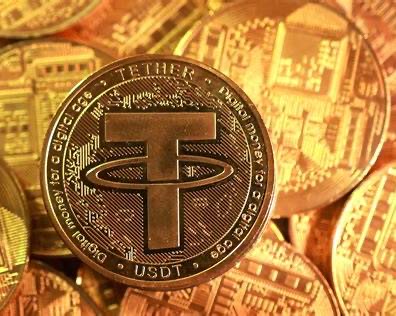
Bitcoin Kept the Lead. Other Survivors Found Different Uses
Bitcoin gained another route to investors when US regulators approved spot Bitcoin exchange-traded products in January 2024. Buyers could obtain exposure through securities accounts without directly managing cryptocurrency wallets.
Approval expanded access. It did not certify Bitcoin as safe.
Then SEC chair Gary Gensler explicitly distinguished approval of the products from endorsement of the underlying asset. SEC approval statement
Ethereum developed a different source of demand. Its network supports applications for trading, lending and other transactions, with ETH used to pay for computation.
Solana competes for similar activity through speed and low fees. BNB serves the Binance and BNB Chain ecosystem. XRP retained a substantial market through years of litigation involving Ripple, while Hyperliquid built its position around decentralised derivatives trading.
Their continued relevance does not mean every holder made money.
A network can attract users while its token remains below a previous peak.
Stablecoins offer another account of survival.
USDT, USDC and similar assets are designed to track currencies, usually the dollar. People use them for trading, transfers and settlement rather than primarily expecting their prices to rise.
CoinGecko valued the stablecoin sector at $305.1 billion at the end of June 2026, with USDT accounting for approximately 60%. CoinGecko’s second-quarter report
One of crypto’s largest uses therefore depends on maintaining a link to conventional money. For all the industry’s experiments with new currencies, demand for dollars has helped sustain a sizeable part of it.

Joy Onuorah is a business journalist and brand communications specialist covering financial markets, artificial intelligence, digital economy, and the ideas reshaping business across Africa and the global market. Beyond her reporting for TheWill, Joy uses brand strategy, storytelling, copywriting, and high-value SEO to help brands build lasting market authority.