
-
Apple built a custom artificial intelligence model with direct assistance from Alibaba to secure regulatory clearance in mainland China.
-
Aggressive market pressure from domestic rivals like Huawei forced Apple to abandon its standalone global software strategy.
-
The Chinese version of iOS will rely on Alibaba’s Qwen framework to power core Siri and automation tools.
-
The partnership creates fresh geopolitical risk as Apple co-develops software with Chinese tech giants while Washington tightens AI controls.
August 14, (THEWILL) — Bringing Apple Intelligence to China was never going to be a simple software update. Beijing demands strict control over public algorithms, local data storage, and every piece of generated text.
To stay in the game, Tim Cook did something Apple almost never does. He handed over the keys to local partners and built a specialised, compromised version of Apple AI trained with direct help from Alibaba.
For a company that built its entire identity around privacy, proprietary code, and complete control over the user experience, this custom model represents a massive surrender.

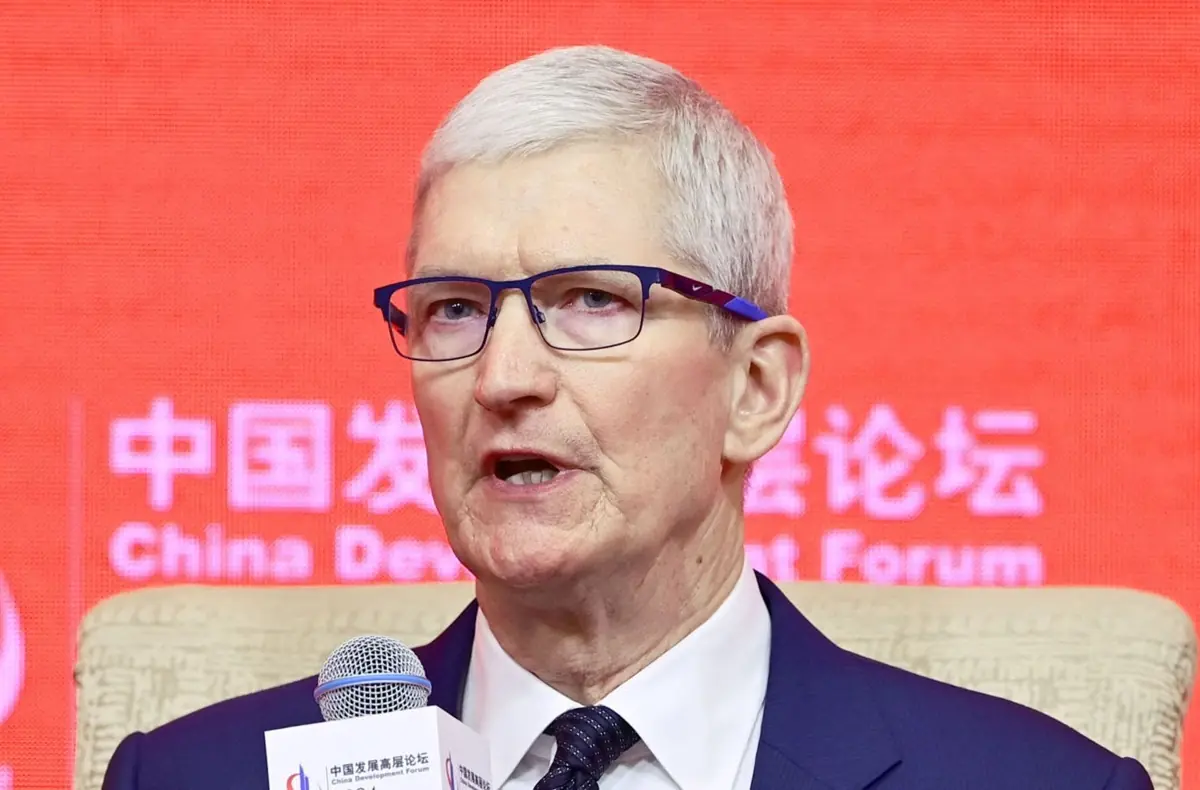
Huawei Left Apple With No Choice
This move is not about innovation. It is pure commercial defence.
Domestic rivals like Huawei, Xiaomi, and Vivo have spent the last year turning AI into their primary sales pitch. Chinese consumers are upgrading to phones that draft emails, summarise meetings, and organise daily schedules using fast, native language models.
Without Apple Intelligence, the iPhone was quickly becoming an expensive luxury item missing its most important feature.
Sales dropped, local competitors surged, and Apple watched its market share slip in its most crucial international market.
READ ALSO: Manufacturers Grapple with N1.09tn FX Losses Amid 18,900 Job Losses
Apple CEO Tim Cook To Step Down In September, John Ternus Named Successor
The Big Tech Faustian Bargain
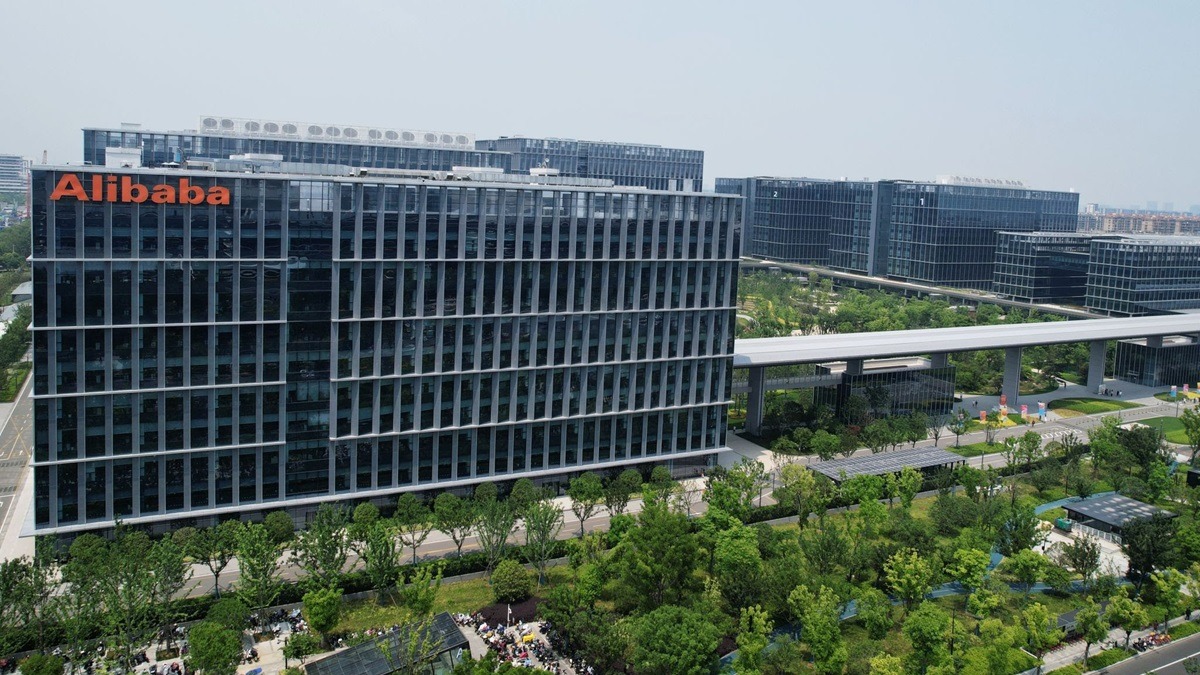
To get clearance from the Cyberspace Administration of China, Apple had to build an ecosystem that looks nothing like the one sold to users in the West.
Instead of running its own pristine models backed by an optional OpenAI integration, the Chinese version of iOS relies heavily on Alibaba’s Qwen framework.
Alibaba handles the heavy lifting for Siri, text summaries, and system tools across the iPhone, Mac, and Vision Pro. Baidu sits in the background as a backup partner.
The result is a fragmented product strategy. Apple now runs two completely different artificial intelligence platforms.
One version exists for the rest of the world, built on Western privacy standards and proprietary technology. The other version exists solely inside China, trained alongside domestic tech giants and carefully aligned with state regulators.
This partnership puts Apple right in the middle of an escalating tech war between Washington and Beijing.
While the United States government works to limit Chinese access to advanced artificial intelligence systems, Apple is actively co-developing model architecture with one of China’s largest state-aligned tech conglomerates.
Regulators in Washington will certainly take notice. But for Tim Cook, the math was simple.
Complying with local demands and sharing tech with Alibaba carries a heavy political cost, but losing the Chinese market entirely carries a cost Apple simply cannot afford.

Joy Onuorah is a business journalist and brand communications specialist covering financial markets, artificial intelligence, digital economy, and the ideas reshaping business across Africa and the global market. Beyond her reporting for TheWill, Joy uses brand strategy, storytelling, copywriting, and high-value SEO to help brands build lasting market authority.
