
-
AI companies captured 61% of global venture-capital investment in 2025, up from 30% in 2022.
-
Deals worth more than $100 million accounted for about 73% of AI venture investment last year.
-
China’s financial regulator warns that heavy concentration in AI could raise borrowing costs for traditional industries.
-
The IMF and BIS say rising leverage and financial links around AI could amplify losses if expected returns disappoint.
November 3, (THEWILL) – Artificial intelligence is attracting so much capital that regulators are beginning to ask what happens to businesses that are not part of the boom.
Xiao Yuanqi, vice minister at China’s National Financial Regulatory Administration, warned on Tuesday that global investment was becoming excessively concentrated in AI and a small group of leading technology companies.
Speaking at the Global Financial Leaders’ Investment Summit in Hong Kong, Xiao said the flow of money into the sector was increasing leverage and could encourage excessively rapid expansion.

More significantly for the wider economy, he warned that concentrating financing in technology could raise borrowing costs for traditional industries and leave them with less capacity to reinvest and expand production.
Recent investment data gives that warning more weight.
More Venture Money Is Chasing Fewer AI Companies
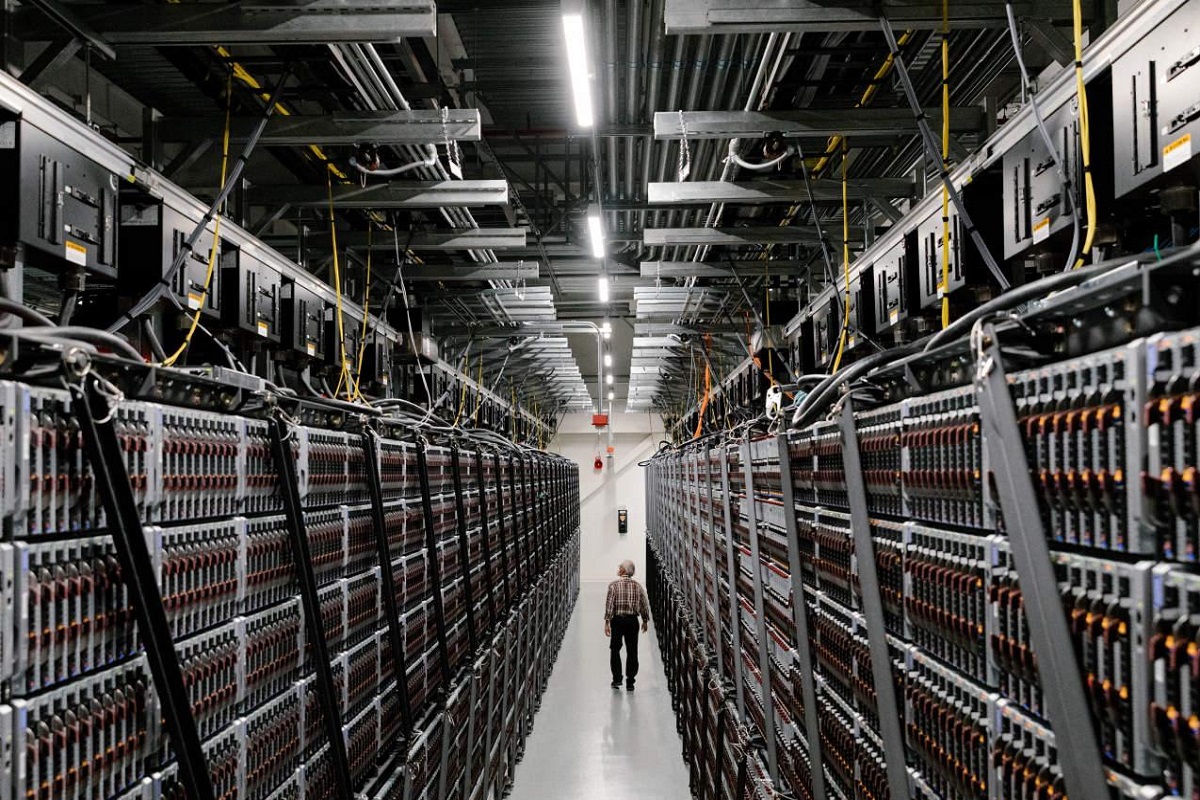
AI companies attracted $258.7 billion of the $427.1 billion invested globally by venture-capital firms in 2025, according to the OECD.
That gave AI 61% of worldwide VC investment, more than double its 30% share in 2022.
Concentration is also happening inside the AI sector itself.
Mega deals worth more than $100 million accounted for roughly 73% of total AI investment value in 2025, while deals exceeding $1 billion represented around half. Companies building IT infrastructure and hosting attracted $109.3 billion in VC funding during the year.
Geographically, the money is even more narrowly distributed. US-based AI companies received about 75% of global AI venture investment value in 2025, compared with 6% for the European Union, 5% for China and 5% for the United Kingdom.
A similar pattern is emerging beyond venture capital. OECD data shows global greenfield investment increasingly concentrating in a relatively small group of strategic sectors, particularly data centres, digital infrastructure and semiconductors, even as the overall number of projects declines.
READ ALSO:
Everyone Else Still Has To Borrow
Capital does not exist in unlimited supply.
As AI companies issue more bonds, raise larger private-credit facilities and attract institutional money into data centres and computing infrastructure, governments and businesses elsewhere in the economy are still competing for financing.
OECD economists warned in September that heavy bond issuance by AI companies could increase competition for funding and contribute to higher yields. Rising yields can then filter into corporate borrowing and even sovereign debt markets.
Research from the Bank for International Settlements also shows that AI infrastructure is becoming increasingly debt-financed, including through complex off-balance-sheet structures designed to bring institutional investors into the sector.
Xiao’s warning therefore reaches well beyond China.
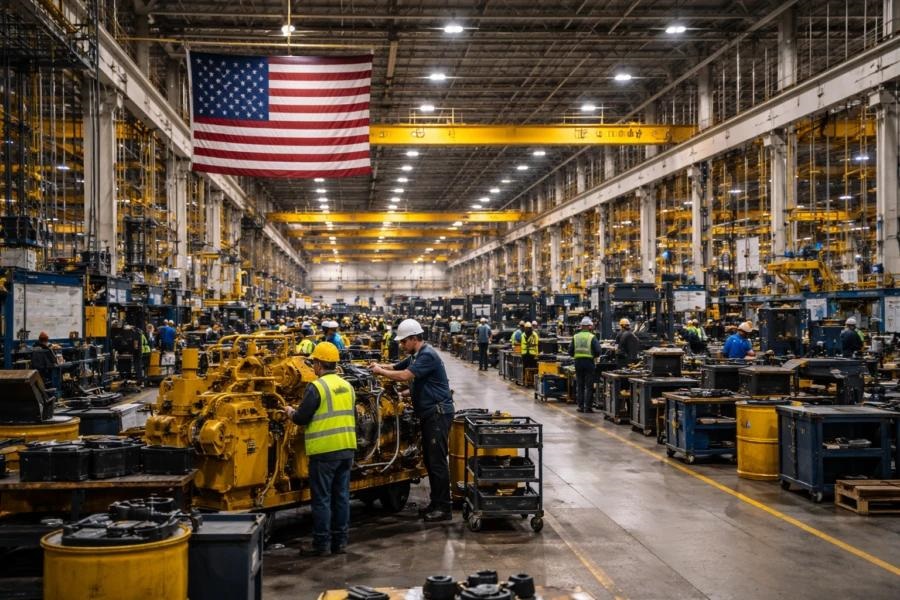
Manufacturers still need money for factories and machinery. Energy companies need financing for generation and transmission. Governments need to fund roads, housing and public infrastructure.
Small and medium-sized businesses also depend on access to credit, even if their financing channels differ from those of hyperscalers and AI infrastructure firms.
A sustained shift of global investment toward AI could therefore make the cost and availability of capital elsewhere part of the technology boom’s economic impact.
None of this means investment in AI is inherently excessive. Productive technologies require enormous capital before their economic gains become visible.
Risk emerges when too much money, debt and market expectations start depending on a relatively small group of companies delivering extraordinary returns.
IMF analysis says financial-stability risks remain manageable for now, while warning that leverage, market concentration and increasingly interconnected financing arrangements could amplify shocks if expected AI revenues or productivity gains fall short.
AI may eventually make large parts of the economy more productive. Long before that payoff is fully proven, the race to finance it is already changing where the world’s money goes.

Joy Onuorah is a business journalist and brand communications specialist covering financial markets, artificial intelligence, digital economy, and the ideas reshaping business across Africa and the global market. Beyond her reporting for TheWill, Joy uses brand strategy, storytelling, copywriting, and high-value SEO to help brands build lasting market authority.
