
-
Bank loans to manufacturers fall from N2.88 trillion to N5.65 trillion.
-
Maximum commercial lending rates remain near 30% despite slowing inflation.
-
Banks expand credit to trade, construction and agriculture while factory loans shrink.
-
Industry leaders urge larger credit guarantees to unlock affordable industrial funding.
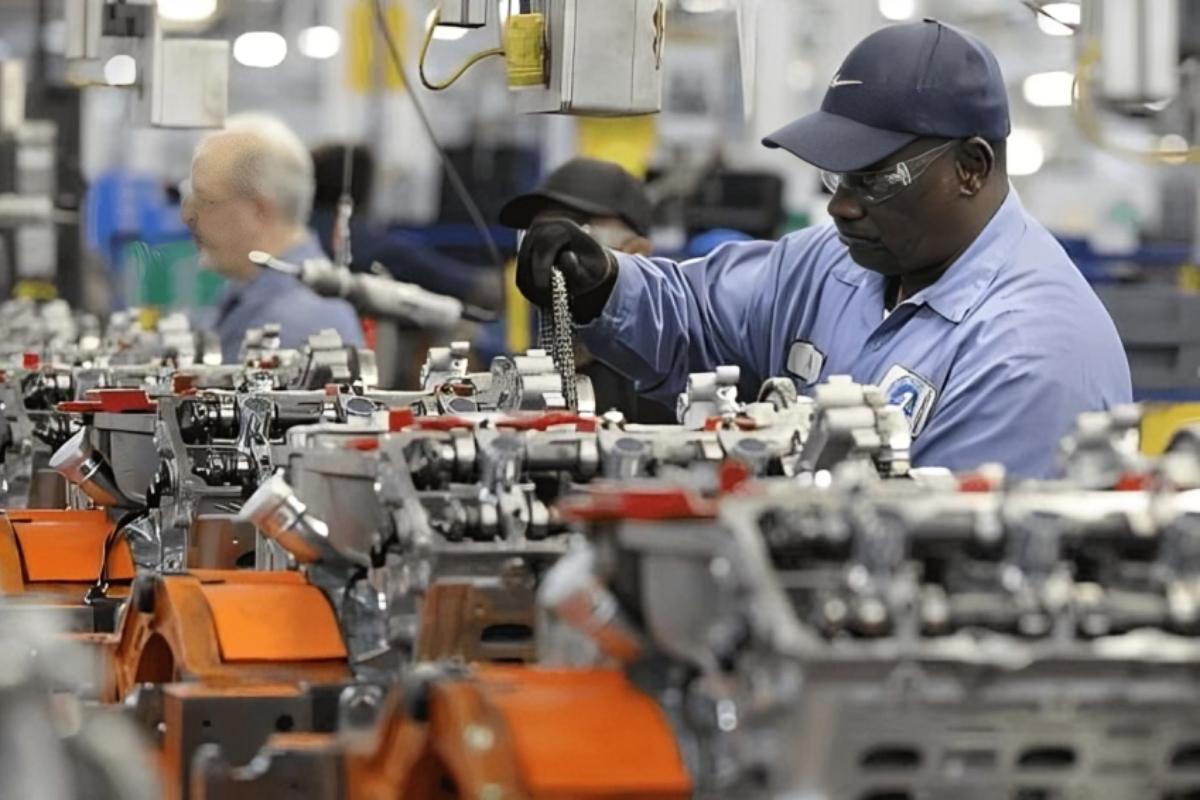
November 27, (THEWILL) – Nigerian manufacturers are facing tighter access to bank financing and elevated borrowing costs, with commercial bank credit to the sector dropping by N2.88 trillion even as headline inflation cools.
Data from the Central Bank of Nigeria show that outstanding bank loans to manufacturers declined by 33.8% to N5.65 trillion in August 2026, down from N8.53 trillion recorded in December 2024.
Although the August figure marked a modest recovery from N5.19 trillion in June 2026, total lending to factories remains sharply below late-2024 levels.
Borrowing costs have stayed prohibitive across commercial lenders. CBN figures show maximum lending rates reached 29.52% in the first quarter of 2026, compared with a prime lending rate of 18.60%, while industry operators report maximum commercial rates exceeding 30%.
“At an interest rate of almost 30 per cent, as reported by the CBN, if you are a business and you borrow at that rate, what kind of business can you operate profitably? How would you generate enough returns to service those loans?” an economist told local media.

Banks Favour Faster-Turnaround Sectors
The contraction in factory credit contrasts with broader private-sector lending growth. CBN sectoral breakdowns show that while manufacturing credit shrank, banks increased lending to trade and general commerce by 63.4% year-on-year to N6.30 trillion, construction by 53.7% to N2.88 trillion, and agriculture by 30.4% to N4.16 trillion by mid-2026.

Manufacturers say high interest expenses are compounding steep energy bills, logistics bottlenecks and foreign exchange pressures, limiting capacity expansion and equipment upgrades.
READ ALSO:
Calls to Scale Risk-Sharing Guarantees
Industry bodies and development finance institutions have pointed to credit guarantees as a way to lower perceived lending risks without relying solely on direct intervention funds.
Earlier this year, the National Credit Guarantee Company used N21.59 billion in guarantees to unlock N46.95 billion in bank credit for real-sector businesses.
Manufacturers Association of Nigeria Director-General Segun Ajayi-Kadir said guarantee schemes must expand significantly to close the sector’s financing gap.
“Without that scale and without forcing transmission of MPR cuts to lending rates, guarantees will remain pilots.
“With scale, they can restore the N1.92 trillion we lost and finally align monetary policy with industrial reality,” Ajayi-Kadir said.

Joy Onuorah is a business journalist and brand communications specialist covering financial markets, artificial intelligence, digital economy, and the ideas reshaping business across Africa and the global market. Beyond her reporting for TheWill, Joy uses brand strategy, storytelling, copywriting, and high-value SEO to help brands build lasting market authority.