
-
ADB commits $102 million to Sterling Bank to target agricultural and SME financing.
-
Capital bypasses public agencies to test direct commercial retail distribution networks.
-
Local commercial balance sheets must absorb underlying loan default and currency risks.
-
Undisclosed pricing terms and risk-sharing structures will determine ultimate borrower reach.
November 17, (THEWILL) – The African Development Bank Group approved a $102 million financing package for Sterling Bank Nigeria Limited on November 17, 2026, routing development capital directly onto the balance sheet of a private commercial lender.
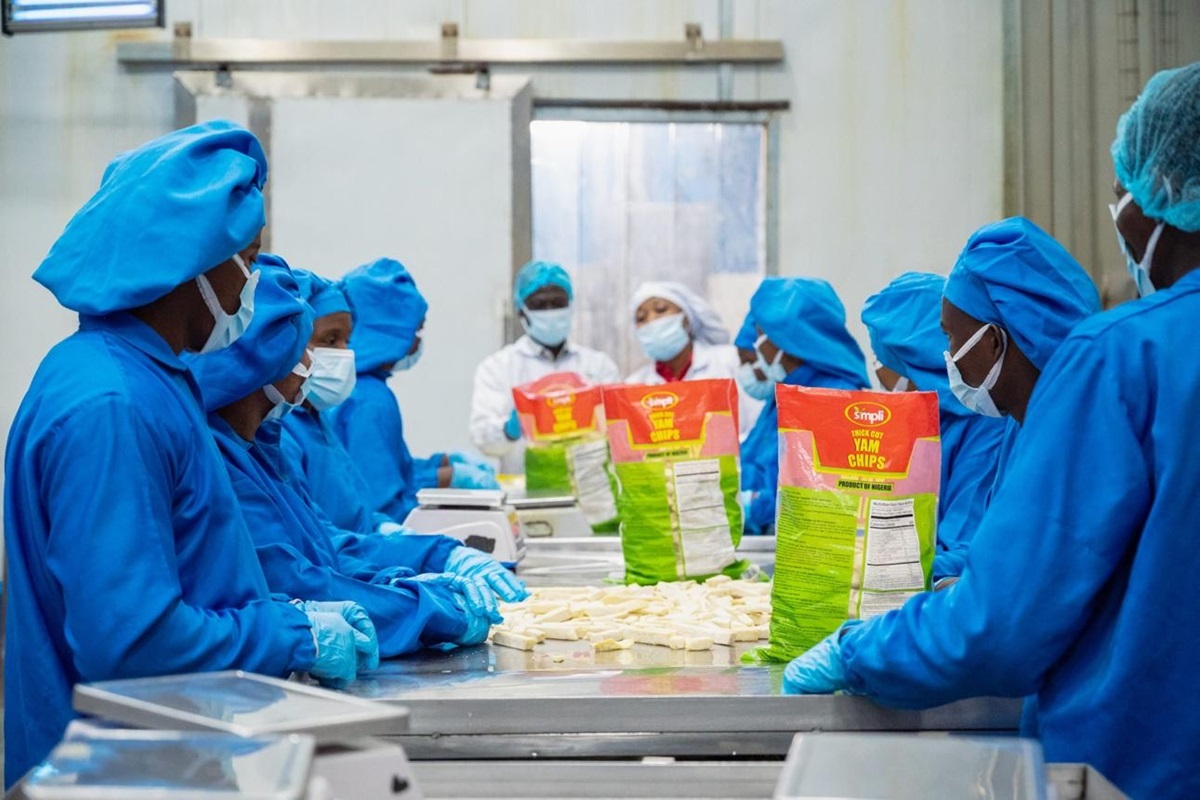
Rather than relying solely on state-owned development agencies, the continental institution is using Sterling Bank’s branch network to reach more than 5,000 smallholder farmers and at least 200 small and medium-sized enterprises.
This approval follows two major commitments earlier in 2026 by the same institution, a $200 million facility for the Bank of Industry and a $61 million package for the Development Bank of Nigeria targeting women-led enterprises.
Combining state development banks with a private commercial lender creates a parallel distribution test.
Development institutions possess broad policy mandates, while commercial banks control active branch networks, daily transaction data, and established credit recovery systems.
Commercial Balance Sheets Carry the Credit Risk
Routing $102 million through a commercial intermediary solves a distribution challenge, though it does not automatically alter how credit risk is priced inside a Nigerian bank.

Commercial lenders operate under strict central bank prudential guidelines and shareholder return expectations.
Once multilateral funds enter a commercial balance sheet, the local bank still carries the default risk on its own books.
Smallholder farmers and local SMEs typically struggle to access commercial credit because their cash flows are seasonal, their accounting records are informal, and their assets rarely meet conventional collateral standards.
Sterling Bank Chief Executive Officer Abubakar Suleiman noted in the bank’s November 17 statement that the partnership strengthens its capacity to reach underserved communities, women, and young entrepreneurs.
Converting that institutional capacity into disbursed loans requires underwriting models that evaluate agricultural off-take contracts and cash-flow velocity rather than demanding urban real estate titles.
If Sterling Bank absorbs the foreign currency facility and lends in naira, currency risk management becomes central to the transaction’s pricing.
Without subsidized hedging mechanisms or blended first-loss guarantees, the final interest rate charged to a smallholder farmer or small manufacturer can easily drift toward prevailing commercial market rates, blunting the concessional intent of the multilateral funding.
READ ALSO:
 Undisclosed Pricing Terms Will Decide Who Gets Funded
Public disclosures surrounding the November 17 approval confirm the headline commitment of $102 million and the target beneficiary thresholds of 5,000 farmers and 200 businesses.
Specific contractual terms,including the exact split between debt and risk-sharing guarantees, borrower interest rate caps, and currency hedging arrangements, have not been published in the initial release.
Those undisclosed terms will determine how the capital behaves once it leaves Lagos headquarters.
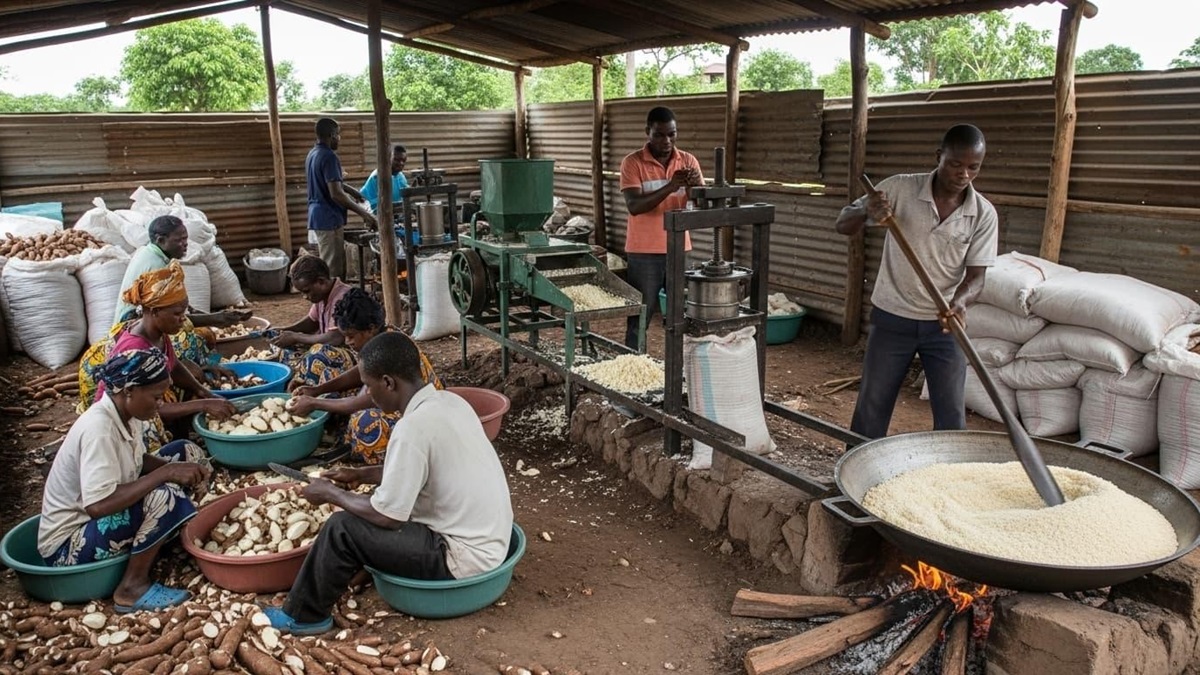
A facility structured around long-term patient capital with embedded technical assistance allows a food processor to acquire equipment and survive an off-season cash crunch.
A facility governed by standard short-term commercial covenants will naturally gravitate toward larger, established corporate borrowers that already qualify for bank credit, leaving smaller enterprises competing for whatever remains.
Nigeria’s broader macroeconomic indicators showed signs of stabilization in the second half of 2026, with GDP expanding by 4.4 percent in the second quarter and headline inflation moderating on the back of main-harvest food supplies.
Translating statistical recovery into productive output depends on whether capital reaches the businesses actually planting crops and running assembly lines.
By betting $102 million on a commercial bank’s distribution reach, the African Development Bank is testing how effectively private banking discipline delivers development outcomes alongside public institutions.

Joy Onuorah is a business journalist and brand communications specialist covering financial markets, artificial intelligence, digital economy, and the ideas reshaping business across Africa and the global market. Beyond her reporting for TheWill, Joy uses brand strategy, storytelling, copywriting, and high-value SEO to help brands build lasting market authority.