
-
Only 40% of healthcare facilities worldwide had basic sanitation services in 2025, according to WHO and UNICEF.
-
11% had no sanitation service at all, affecting about 936 million people.
-
Sub-Saharan Africa recorded one of the widest gaps, with only 23% of facilities meeting basic standards.
-
Poor sanitation is part of a broader infrastructure issue involving water access, hygiene, cleaning, and healthcare waste management.
August 18, (THEWILL) — Only four in every 10 healthcare facilities worldwide had basic sanitation services in 2025, leaving millions of patients and health workers using facilities that do not meet minimum standards.
New estimates from the World Health Organisation (WHO) and UNICEF show that 11% of health facilities had no sanitation service at all, affecting about 936 million people.
For the first time, the two agencies have produced global estimates specifically measuring sanitation in healthcare facilities.

Data from 70 countries was used to assess access to toilets that are usable, accessible, and suitable for patients and staff.
Basic sanitation means more than simply having a toilet somewhere on the premises.
Under the WHO and UNICEF standard, facilities need at least one toilet for staff, at least one sex-separated toilet with menstrual hygiene facilities, and an accessible toilet for people with limited mobility.
Regional Disparities and Systemic Infrastructure Gaps
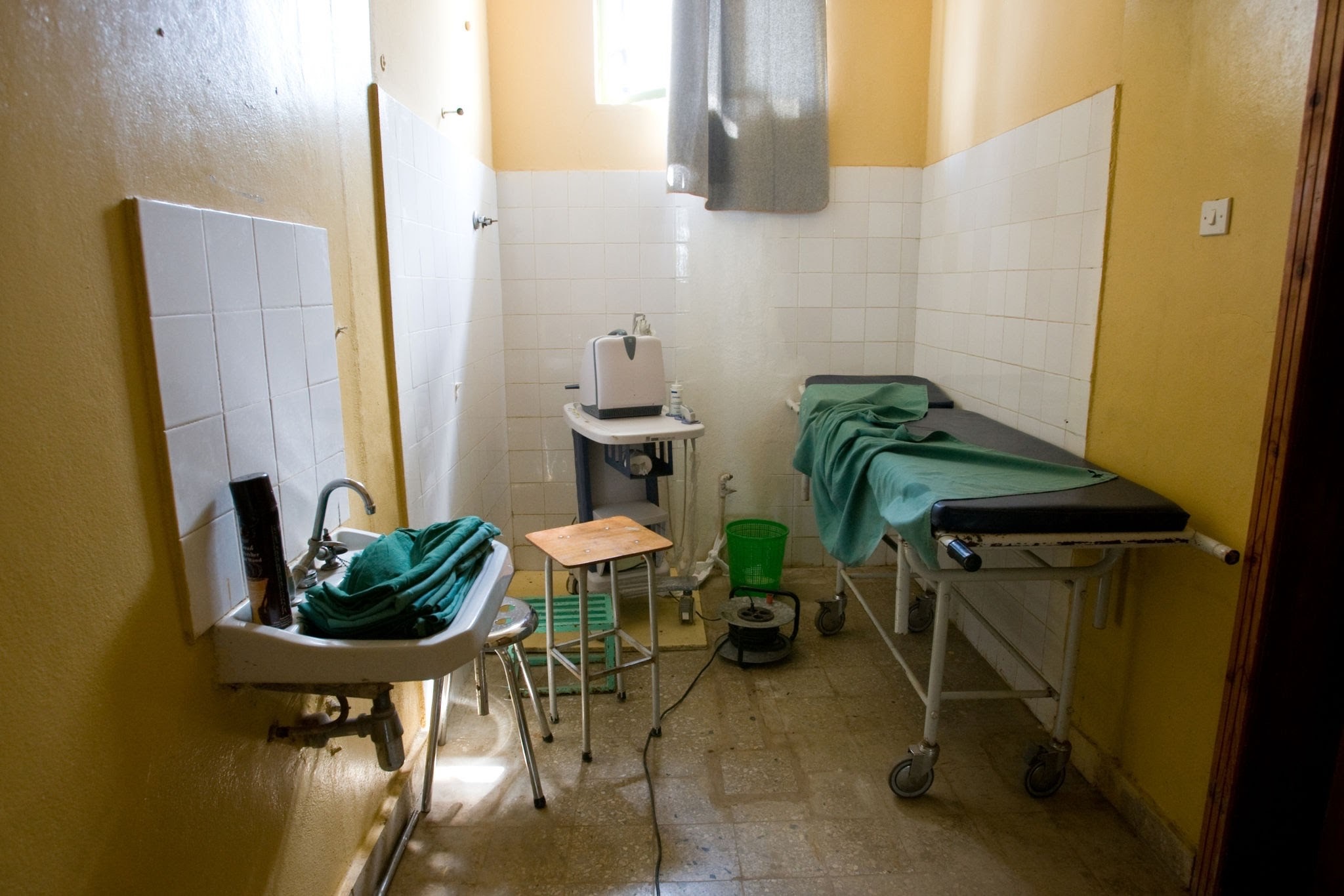
Sub-Saharan Africa recorded one of the largest gaps. Only 23% of healthcare facilities in the region met the basic sanitation standard, compared with 55% in Central and Southern Asia.
Poor sanitation also sits alongside other weaknesses in healthcare infrastructure. WHO and UNICEF estimated that 85% of health facilities had basic water services, while 72% had basic hygiene services and 71% met basic healthcare waste management standards.
Environmental cleaning was weaker. Only 59% of facilities met the basic standard, which requires both cleaning protocols and trained staff.
Around 18% of facilities, serving approximately 1.5 billion people, met neither requirement for basic environmental cleaning.
Conditions were worse in the world’s least-developed countries, where only 24% of health facilities met the environmental cleaning standard.
READ ALSO:
Africa’s Digital Health Push Gains 10 New Commitments — But Delivery Will Be the Test
Implications for Health System Safety
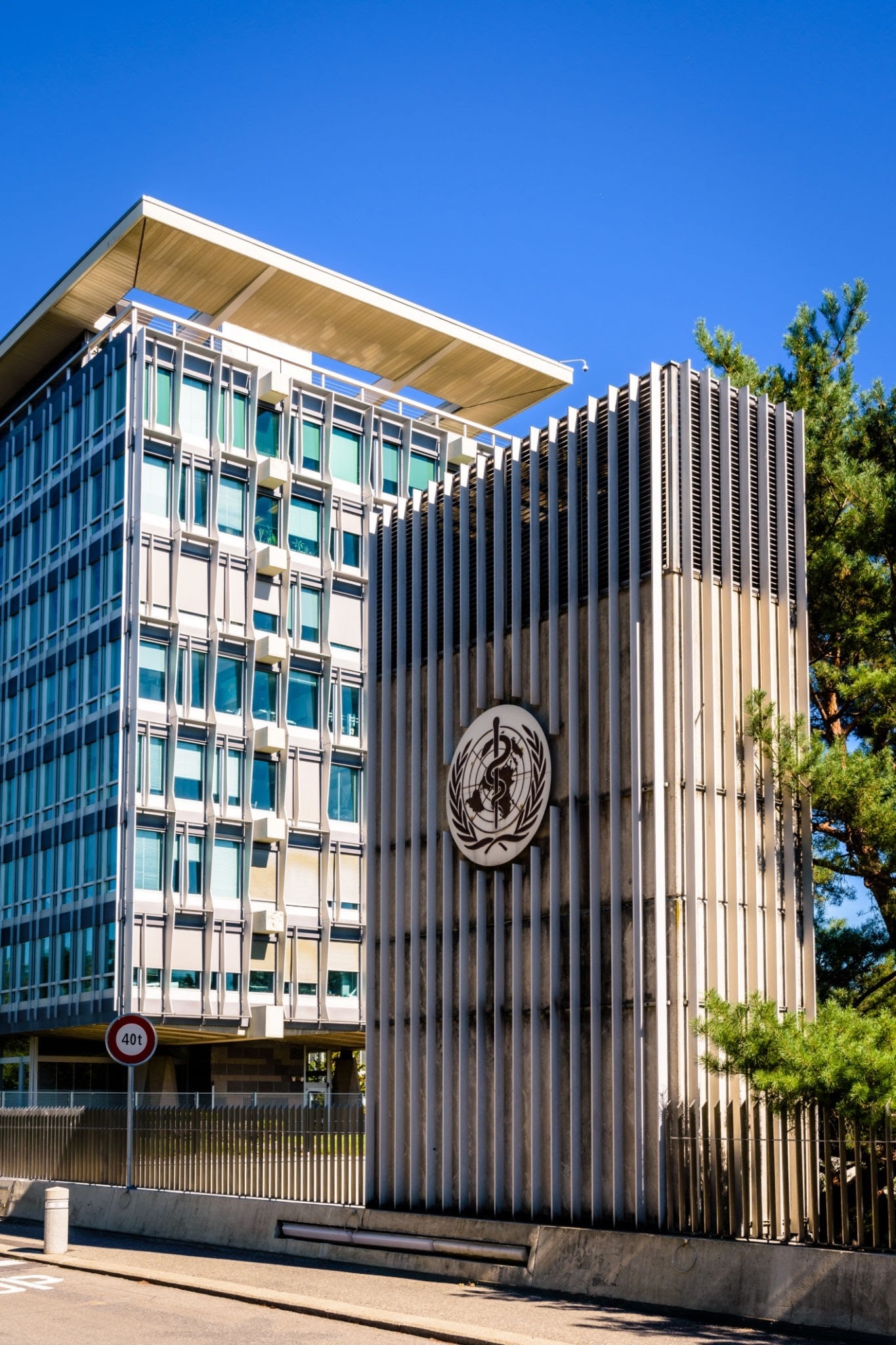
For healthcare systems, these gaps have consequences beyond comfort. Poor access to clean water, usable toilets, hand hygiene, and proper waste disposal can make it harder to prevent infections inside facilities.
Hospitals and clinics are supposed to treat illness, but weak basic infrastructure can also create conditions that allow infections to spread.
WHO and UNICEF’s findings therefore point to a problem that sits underneath many discussions about healthcare access.
Building more clinics or increasing the number of health workers does not automatically create a safe healthcare environment.
A facility still needs water, functioning toilets, cleaning staff, waste systems, and basic hygiene infrastructure to protect the people who enter it.
The latest figures show how far many healthcare systems still have to go on those basics.

Joy Onuorah is a business journalist and brand communications specialist covering financial markets, artificial intelligence, digital economy, and the ideas reshaping business across Africa and the global market. Beyond her reporting for TheWill, Joy uses brand strategy, storytelling, copywriting, and high-value SEO to help brands build lasting market authority.