
-
Nigeria secured a $3 million agreement for a 1,000-unit tomato greenhouse pilot in Kano State.
-
The public-private partnership involves the SAPZ programme, Bank of Agriculture, and Turkey’s Direkçi Group.
-
Funding splits evenly between Direkçi and the Bank of Agriculture under a 36-month farmer financing framework.
-
Long-term scale to 10,000 units depends on verified yields, water management, and binding industrial off-take contracts.
November 17, (THEWILL) – When federal agricultural authorities and Turkey’s Direkçi Group finalised the greenhouse financing agreement on the sidelines of COP31, the framework targeted a structural vulnerability in Nigerian agriculture.
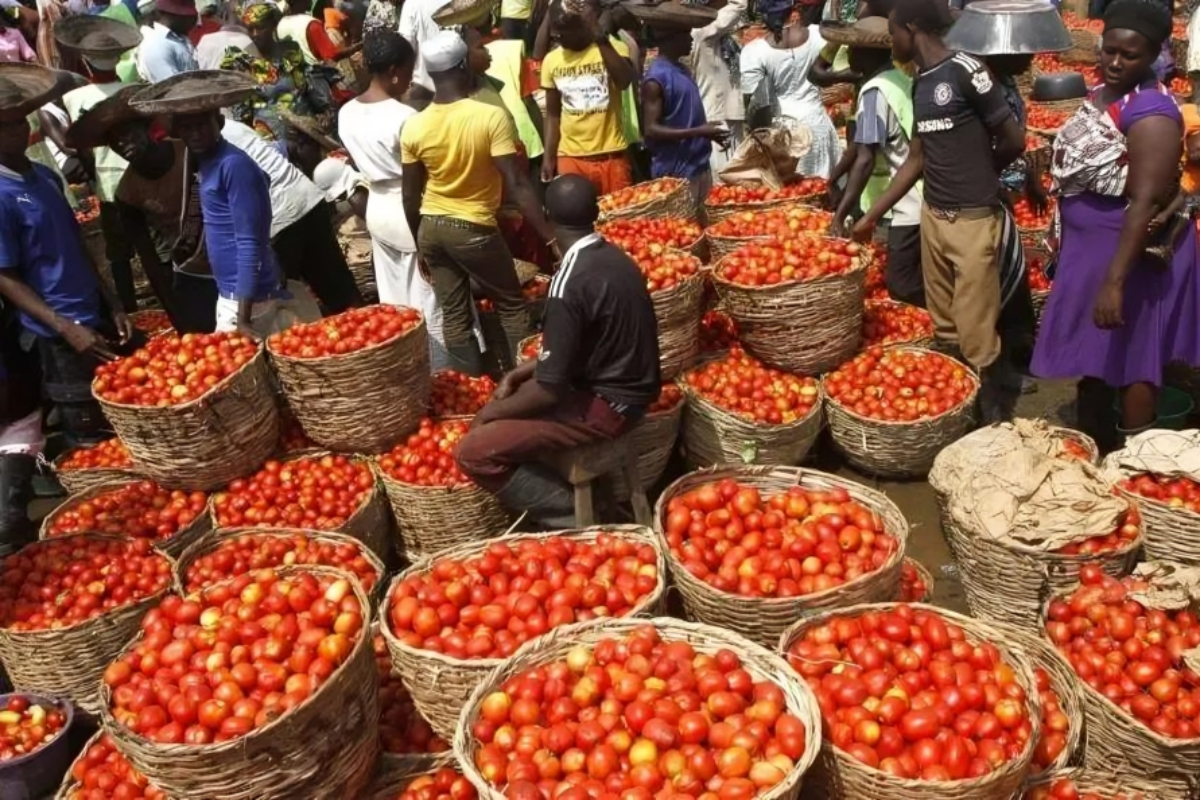
Nigeria remains a major producer of tomatoes, but open-field farming leaves crops exposed to erratic rainfall, pests, and post-harvest losses that claim up to half of annual yields.
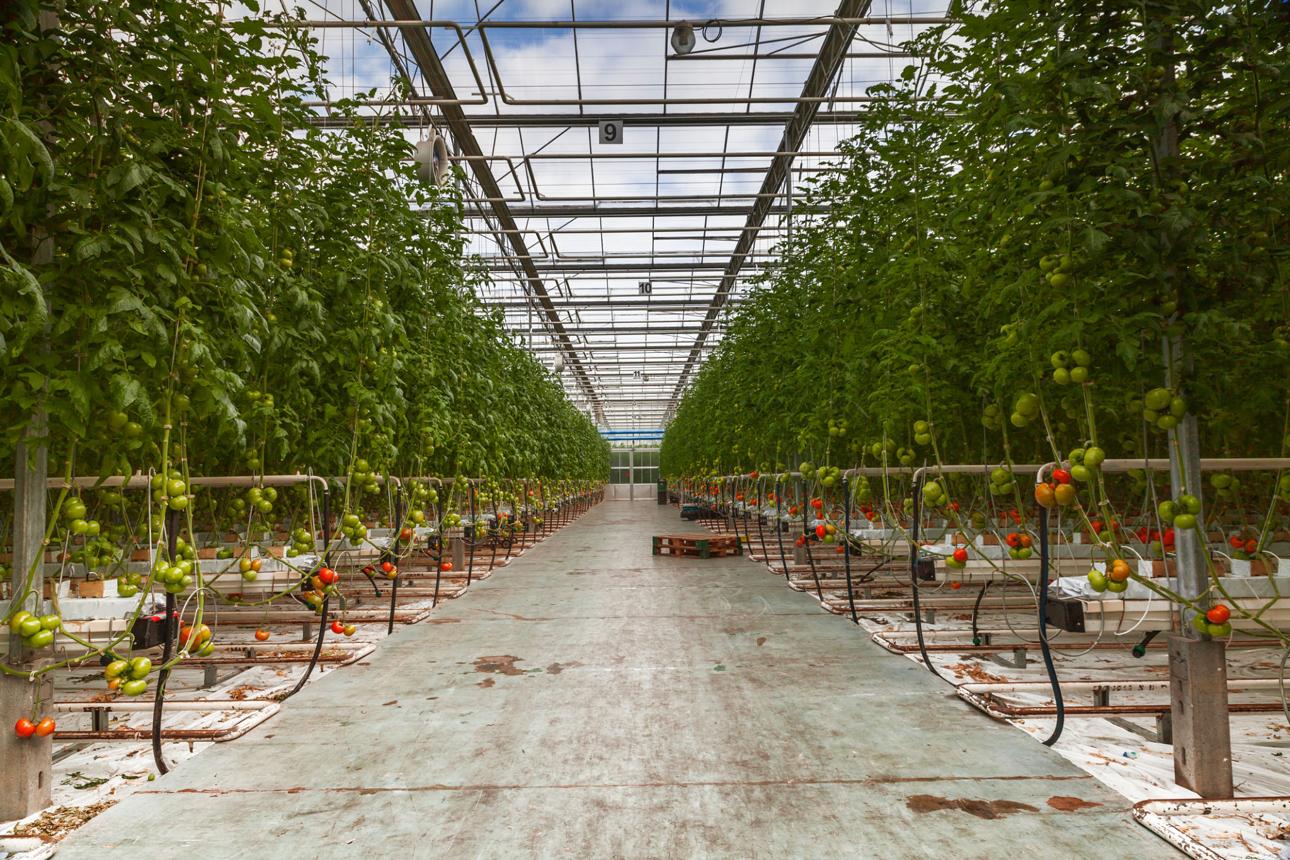
The Kano pilot deploys climate-adapted units engineered to regulate temperature, humidity, and water delivery.
Direkçi Group contributes $1.5 million in technology and structural materials, matched by $1.5 million from the Bank of Agriculture for smallholder financing.
Repayment terms feature a 36-month window with a four-month moratorium, giving farmers time to harvest and commercialise initial cycles.
The proposed national target of 10,000 greenhouses is a strategic roadmap rather than installed inventory.

Expanding from a 1,000-unit pilot requires rigorous verification of construction costs per square meter, localised water sourcing, solar-powered irrigation expenses, and technical support for smallholders transitioning from open-field practices.
READ ALSO:
Industrial Off-Take and Commercial Scale
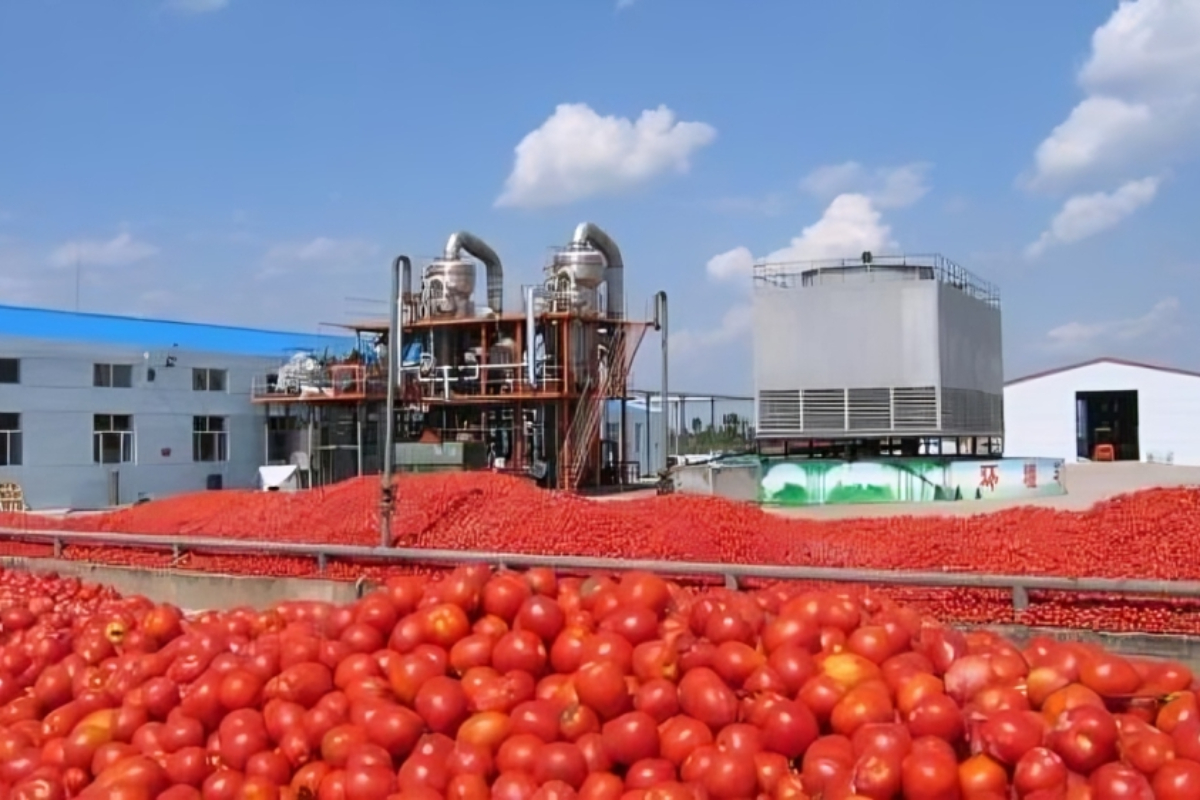
The viability of greenhouse financing in Nigeria hinges on market connection. Controlled-environment agriculture increases per-acre yields and fruit quality, but it requires higher capital expenditure than rain-fed farming.
Without binding purchase contracts with commercial processing plants and urban aggregators, higher yields risk producing localised market gluts and depressed gate prices.
Successful execution of the Kano pilot serves as a prerequisite for a broader $30 million commercial expansion covering up to 32 states.
For commercial lenders and development finance institutions evaluating the model, success will be measured by actual loan repayment rates, verifiable yield multiples, and whether smallholders can convert controlled harvests into predictable commercial revenue.

Joy Onuorah is a business journalist and brand communications specialist covering financial markets, artificial intelligence, digital economy, and the ideas reshaping business across Africa and the global market. Beyond her reporting for TheWill, Joy uses brand strategy, storytelling, copywriting, and high-value SEO to help brands build lasting market authority.