
-
Tesla and SpaceX are putting $16.8bn into a massive chip factory in Texas.
-
Terafab could eventually cost $119bn as construction expands in phases.
-
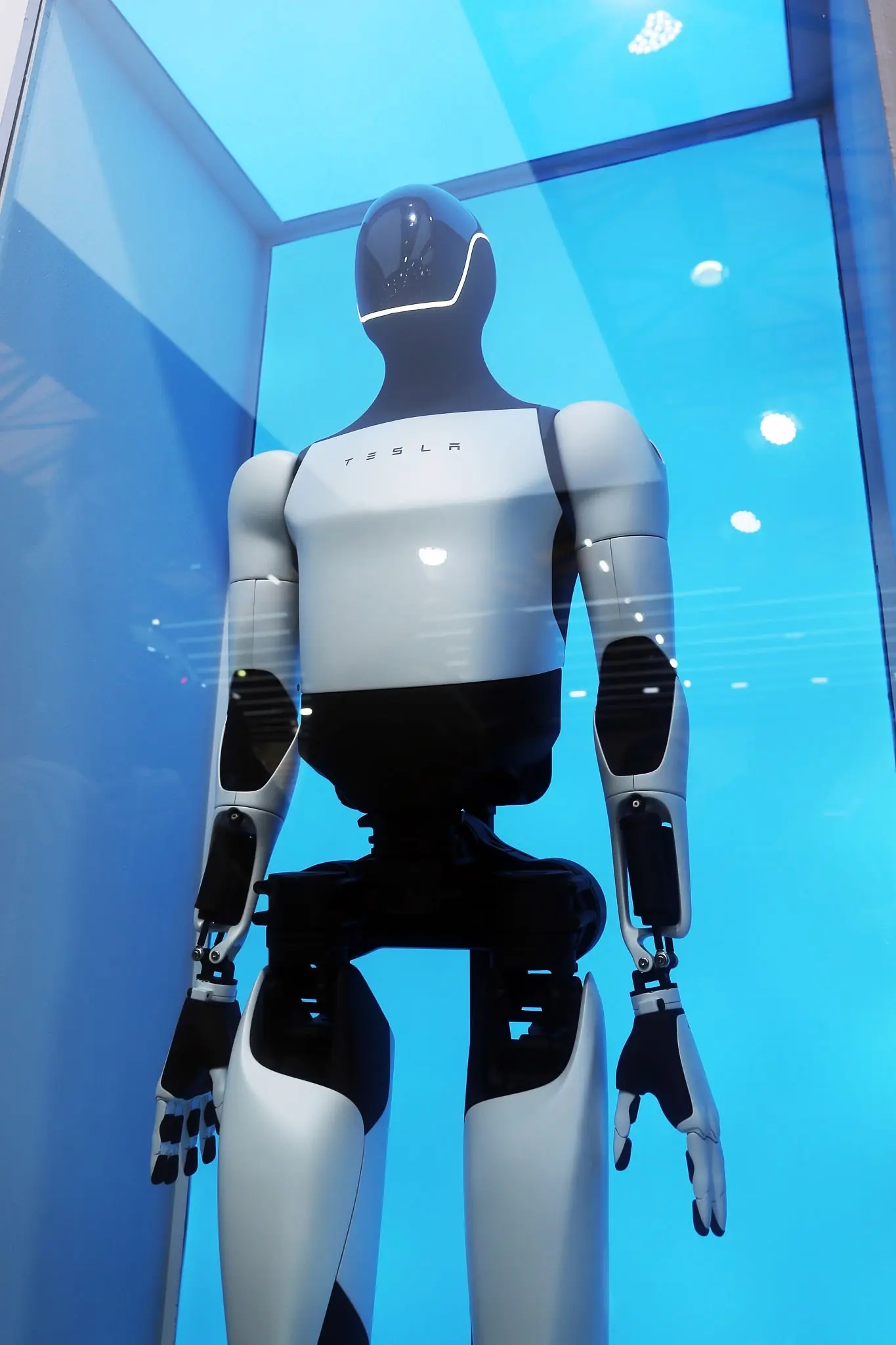
Tesla plans to use its chips for Optimus robots and autonomous vehicles.
-
SpaceX wants the factory to supply chips for its planned space-based AI infrastructure.
August 08, (THEWILL) — Tesla and SpaceX are putting an initial $16.8 billion behind a semiconductor project that could become one of the most ambitious industrial developments in the United States.
Called Terafab, the planned facility will be built in Grimes County, Texas, outside Houston. The first investment is only the beginning. SpaceX has indicated that spending across multiple phases could eventually reach $119 billion.
At more than 100 million square feet, Terafab would also rank among the largest buildings ever constructed. SpaceX and Tesla expect the project to create at least 3,000 jobs in the area.

The scale matters because Musk is trying to solve a problem sitting underneath several of his biggest businesses at once. Tesla needs large volumes of computing power for autonomous vehicles and Optimus robots, while SpaceX wants powerful chips for its planned space-based computing infrastructure.
Why Musk Wants To Make His Own Chips
Semiconductors have become one of the most important bottlenecks in the global AI industry. Tesla and SpaceX currently depend on outside suppliers for much of the computing hardware needed to develop and operate their products.
Musk has argued that supplier capacity will not expand quickly enough to meet the amount of computing his companies expect to require. Reuters reported that Tesla and SpaceX anticipate demand exceeding 1 terawatt of computing power, a scale that explains the ambition behind Terafab.
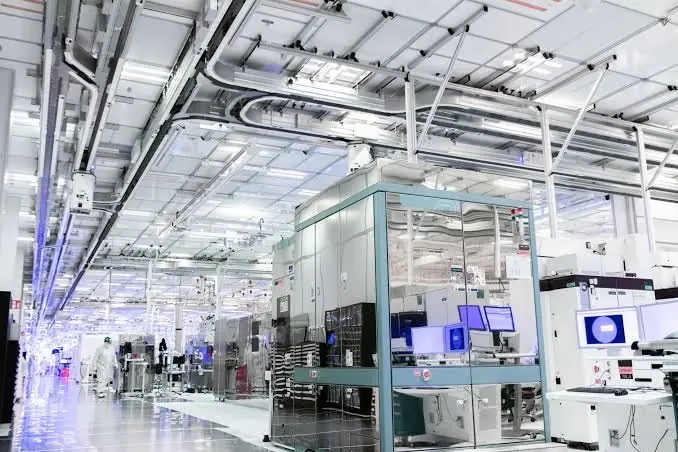
Instead of relying entirely on external manufacturers, Terafab is designed to bring several stages of production together. The facility is expected to manufacture, package and test advanced logic and memory chips under one roof.
READ ALSO: Elon Musk Says AI Could Surpass All Human Intelligence Within Five Years
Tesla would use some of those chips for applications such as Optimus humanoid robots, Cybercab autonomous vehicles and other edge-computing systems. SpaceX intends to use another category of high-performance chips for computing infrastructure deployed in space.
Intel is also involved in the project. SpaceX’s own filings say Intel is expected to contribute expertise in chip design, fabrication and packaging.
That relationship is important because building advanced semiconductor manufacturing capacity is far more complicated than simply constructing a large industrial building. Chip fabrication requires specialised equipment, highly controlled environments, technical expertise and a reliable supply chain.
Musk’s companies are therefore taking on a business that is very different from manufacturing cars or rockets.
There is a strategic reason for doing so. SpaceX has said in its filings that vertical integration could reduce costs and shorten development cycles, while giving its businesses greater control over chip supply. The company has compared the approach with its strategy of manufacturing much of Starship internally.
Terafab also fits into Musk’s broader plans for AI infrastructure. Tesla is developing autonomous vehicles and humanoid robots, while SpaceX is pursuing satellite-based computing. Those businesses all require substantial amounts of processing power.
A Massive Project With Local Questions
The project is already attracting attention in Grimes County because of its size and the incentives being offered to support it.
Local residents have raised concerns about tax arrangements and the potential environmental impact of a development that could cover thousands of acres. Public documents also show discussions around water use and infrastructure requirements.
READ ALSO: Elon Musk Says Money Could Become Irrelevant By 2036
SpaceX has said it intends to use water from Gibbons Creek Reservoir rather than local groundwater. The company’s agreement with the county also includes commitments around investment, employment and emergency infrastructure.
Economic benefits are expected to extend beyond direct employment. A Texas economic impact assessment estimated that a Terafab facility operating at full capacity could support hundreds of direct jobs and additional employment through suppliers and related economic activity.
For Tesla and SpaceX, however, the larger calculation goes beyond jobs or the size of the building.
Terafab is an attempt to secure the physical computing infrastructure required for Musk’s next generation of businesses. If the project reaches its projected scale, the factory could become a critical piece of the supply chain behind autonomous vehicles, humanoid robots and space-based AI.
That is also why the $16.8 billion initial commitment could eventually become a much larger bet.
For now, construction has begun in Texas. The more difficult test will be turning one of the world’s most ambitious semiconductor plans into a functioning manufacturing operation at the scale Musk has outlined.

Joy Onuorah is a business journalist and brand communications specialist covering financial markets, artificial intelligence, digital economy, and the ideas reshaping business across Africa and the global market. Beyond her reporting for TheWill, Joy uses brand strategy, storytelling, copywriting, and high-value SEO to help brands build lasting market authority.
