
-
Jeff Bezos is part of a consortium in advanced talks to acquire a 30 per cent stake in Liverpool.
-
The proposed deal could value the Premier League champions at around £4.5 billion while allowing Fenway Sports Group to retain control.
-
Bezos’ involvement could increase Liverpool’s global commercial reach, but fans remain cautious over the consortium’s intentions.
-
The investment is unlikely to automatically trigger a huge increase in Liverpool’s transfer spending.
August 11, (THEWILL) — Jeff Bezos is one of the richest people on the planet, but his reported move into Liverpool could be about much more than simply putting another billionaire’s name alongside one of football’s biggest clubs.
The Amazon founder is part of a consortium in advanced discussions to acquire a 30 per cent stake in Liverpool, in a deal that could value the club at around £4.5 billion.
For Liverpool, the proposed investment could bring fresh commercial opportunities and access to a powerful global network. For Fenway Sports Group (FSG), it represents a potentially huge return on its ownership of the club.

But for supporters, there are also questions.
Would Bezos have a meaningful role in running Liverpool? Would the investment eventually lead to a full takeover? And would his involvement actually change the club’s ability to spend in the transfer market?
Here are seven things the proposed Bezos investment could mean for Liverpool.
1. FSG could make more than £1 billion while keeping control
The biggest immediate winner could be Liverpool’s current owners, FSG.
When FSG bought Liverpool in 2010 for around £300 million, the club were in serious financial trouble. Since then, the ownership group has invested heavily in infrastructure and the football operation while overseeing a dramatic rise in the club’s value.
The proposed 30 per cent investment could value Liverpool at approximately £4.5 billion.
That would potentially allow FSG to receive around £1.35 billion while still retaining control of the club.
Football finance expert Kieran Maguire described the structure as highly attractive for FSG because the group could realise a substantial return without surrendering control.
Liverpool have also previously welcomed minority investment, with Dynasty Equity acquiring a stake in the club in 2023.
2. Bezos would gain a stake in one of football’s biggest brands
For Bezos, Liverpool represents an opportunity to enter one of the world’s most recognisable sporting properties without having to purchase an entire club.
The 62-year-old’s fortune has been estimated at around $257 billion by Forbes, meaning the reported investment would represent only a small fraction of his wealth.
Bezos stepped down as Amazon CEO in 2021 but remains one of the company’s largest shareholders.
His business interests also include aerospace company Blue Origin, investment firm Nash Holdings and ownership of The Washington Post.
A stake in Liverpool would add one of the world’s most valuable football brands to his growing portfolio of interests.
READ ALSO: Jeff Bezos Closes In on Liverpool Stake as Billionaire Consortium Eyes £4.4bn Club Valuation
3. Liverpool’s global commercial reach could grow even further
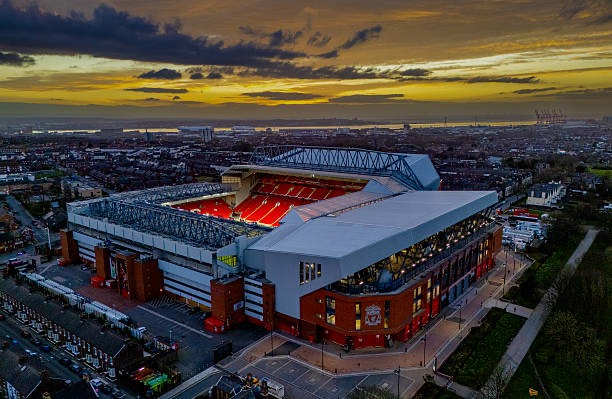
Liverpool already possess enormous international appeal, particularly in the United States.
The club have increasingly targeted the American market through commercial partnerships, tours and digital content, while Premier League football continues to expand its audience across North America.
Bezos’ business empire could potentially give Liverpool access to an even wider commercial network.
His involvement could open doors in technology, artificial intelligence, e-commerce, media and global advertising.
That could make the investment valuable to both sides even without Bezos becoming directly involved in football operations.
4. Do not expect Bezos to suddenly fund a transfer spending spree
One of the biggest misconceptions surrounding billionaire investment in football is that a wealthy shareholder automatically means unlimited transfer spending.
That is unlikely to be the case at Liverpool.
Premier League financial regulations restrict how clubs can spend in relation to their revenues and other financial metrics.
If the proposed deal is simply a sale of shares by FSG to the consortium, the money would primarily go to the existing shareholders rather than directly into Liverpool’s transfer budget.
In other words, Bezos becoming a minority shareholder would not necessarily mean Liverpool suddenly start signing players for enormous fees.
The club’s ability to spend would still be influenced heavily by its commercial revenue, wage structure and financial rules.
5. Fans are likely to scrutinise Bezos closely
Liverpool supporters have not forgotten the turbulent ownership of Tom Hicks and George Gillett.
That history explains why sections of the fanbase remain cautious whenever major changes in ownership structure are discussed.
Spirit of Shankly, a prominent Liverpool supporters’ group, has questioned what the consortium would receive in return for its 30 per cent stake and what level of influence its investors could have.
There are also questions about whether Bezos’ involvement would simply be a financial investment or the beginning of a larger ownership ambition.
For supporters, the key issue is whether the new investors genuinely understand Liverpool’s identity and relationship with its fanbase.
6. Bezos’ record outside football could become part of the debate
The Liverpool investment would also bring increased attention to Bezos’ business record.
His involvement with Amazon has made him one of the most influential figures in global commerce, but the company has faced criticism over working conditions, pay and relations with organised labour.
Those issues have already prompted concerns among some Liverpool supporters who believe the club should remain closely connected to its traditional working-class identity.
The potential investment therefore goes beyond money.
It could spark a broader debate about what kind of ownership Liverpool want and whether global corporate influence fits comfortably with the culture surrounding Anfield.
7. A minority investment could eventually become something bigger
Perhaps the most intriguing question is whether the reported 30 per cent investment would remain a minority stake.
FSG has indicated that it is not currently looking to sell Liverpool outright.
However, football finance experts have suggested that a successful minority investment could eventually change that position.
If Bezos and the consortium enjoy the commercial and strategic benefits of owning part of Liverpool, a future move for a larger stake cannot be completely ruled out.
That does not mean a full takeover is imminent.
But the structure of the proposed deal could give Bezos a foothold in Liverpool that may become increasingly significant over time.
For now, the proposed investment remains focused on a minority stake rather than a change of control.
If completed, FSG would continue to run Liverpool while Bezos and his fellow investors would become significant shareholders in one of the world’s biggest football clubs.
The immediate financial impact on Liverpool’s football operation may therefore be limited.
The bigger question is what happens beyond the initial investment.
With Bezos bringing enormous financial resources, global commercial connections and one of the world’s most recognisable business brands, his arrival could eventually influence Liverpool far beyond the value of the initial stake.
For supporters, however, the message is clear: money alone will not determine whether the Bezos era is welcomed at Anfield.
The real test will be what the investment means for the club’s identity, ambitions, finances and relationship with its fans.

Olumide Atiba is a sports journalist with THEWILL, known for his keen news sense and compelling storytelling. He has built a reputation for turning leads into clear, well-structured reports that resonate with readers, with a strong focus on football coverage