
-
Jeff Bezos’ reported investment in Liverpool offers a useful lesson in accessing valuable assets without having to own them outright.
-
Amazon’s growth shows how businesses can expand by building capabilities around an existing advantage rather than constantly chasing unrelated opportunities.
-
Long-term investment works best when businesses know what they are trying to build and measure whether the investment is actually working.
-
For Nigerian entrepreneurs, the bigger opportunity may lie in building businesses that can scale beyond their first product, customer base or market.
August 11, (THEWILL) — Jeff Bezos is reportedly close to becoming a minority investor in Liverpool Football Club.
A consortium led by businessman Amit Bhatia is nearing a deal to acquire about 30 percent of the club from Fenway Sports Group, with Bezos and Facebook co-founder Eduardo Saverin among the investors involved.
The deal is reportedly worth about £1.35 billion and would value Liverpool at roughly £4.4 billion. Talks are still ongoing.

Bezos’ involvement is interesting beyond the football headlines because it offers another look at how he approaches capital, scale and valuable businesses.
Amazon, his biggest business success, grew from an online bookseller into a company spanning e-commerce, cloud computing, advertising, entertainment and logistics.
Nigerian entrepreneurs do not need to copy Amazon. Instead, there is value in looking at how Bezos built the company and asking which parts of that thinking can work for businesses operating on a much smaller scale.
1. Build Around What You Already Do Well

Amazon started by selling books online, but Bezos did not stop there.
As the company grew, it built technology, logistics, and distribution capabilities around the customer base it had already developed. Those capabilities later helped Amazon move into other products and services.
Bezos explained this approach in Amazon’s original 1997 shareholder letter, where he wrote about investing in the customer base, brand and infrastructure while focusing on long-term market leadership.
For Nigerian businesses, this can be a much better way to think about growth than simply adding more products.
For example, a food processor could move into packaging and distribution because those areas are already close to its existing operations. Strong manufacturing capacity could allow a fashion company to supply other brands. Software built to solve an internal problem could eventually become a product for other businesses.
So, instead of asking, “What else can we sell?”, founders can start by asking, “What else can we build from what we already know and do well?”
READ ALSO: Jeff Bezos Weighs Liverpool Investment After Consortium Makes Approach
2. Spend For The Future, But Know What You Are Buying
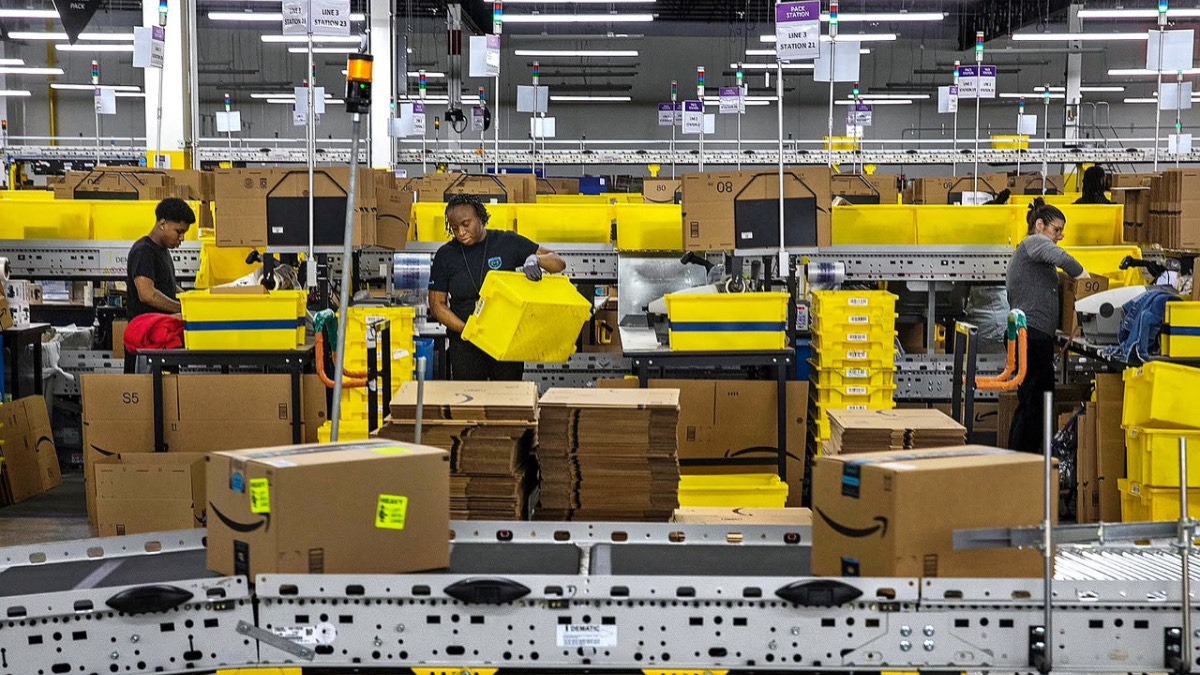
That same long-term thinking shows up in how Bezos approached Amazon’s spending.
During the company’s early years, Amazon invested heavily in infrastructure, technology, and customer experience even while it was under pressure to prove itself financially.
In his 1997 shareholder letter, Bezos said the company would make investment decisions with long-term market leadership in mind while measuring those investments and dropping the ones that did not produce acceptable returns.
For Nigerian businesses, this balance matters.
High borrowing costs, inflation and expensive infrastructure can push business owners towards short-term survival. At the same time, cutting every expense can leave a company with weak systems, outdated equipment or too little capacity to handle growth.
Money spent on better technology, skilled employees, equipment or distribution may not pay off immediately. If those investments make the business more efficient, increase capacity, or create room for new revenue, they can become much more valuable over time.
So long-term thinking does not mean spending blindly and hoping the money eventually comes back. It means knowing what you are building, putting money behind it, and paying attention to what actually works.
3. Make New Revenue Streams For The Business
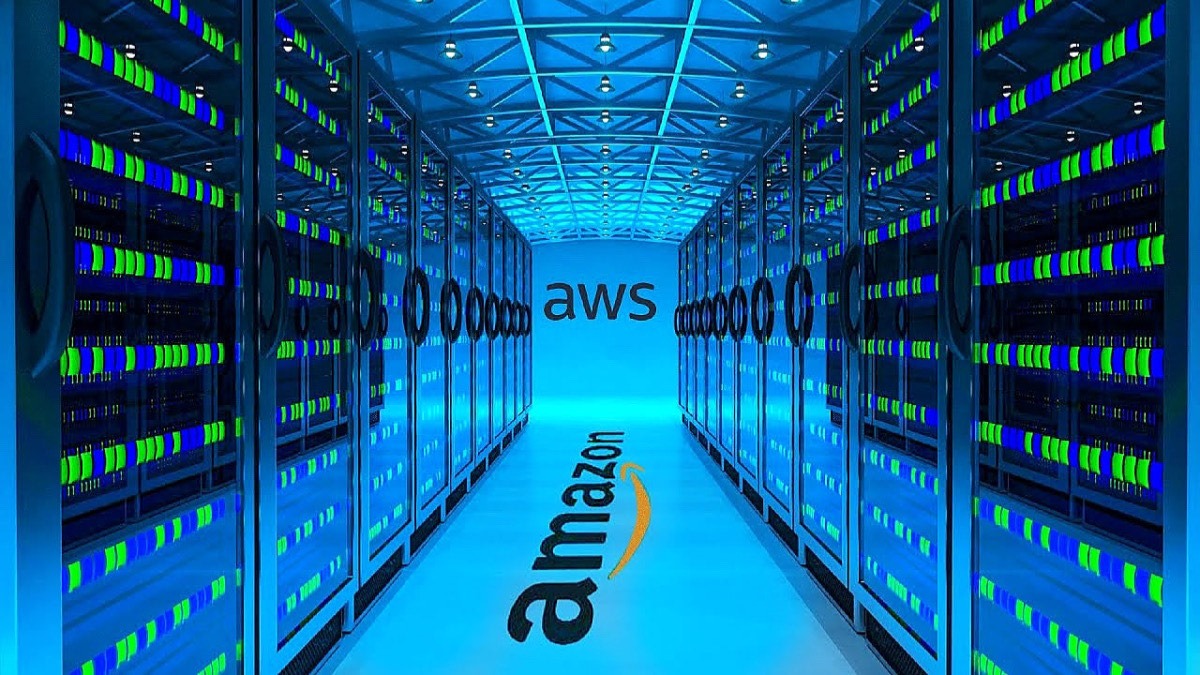
Amazon’s move into cloud computing offers a good example of this.
AWS grew from technology infrastructure Amazon had built to support its own operations and eventually became a major business serving other organisations.
For Nigerian entrepreneurs, there is a useful lesson here. Adding another product or service simply to create another income stream can spread a small business too thin.
Instead, look at what the business already has.
A logistics company could add warehousing for customers who already use its delivery service. A manufacturer could offer maintenance to businesses that buy its equipment. Software created for internal use could become a product for other companies.
This approach makes expansion easier because the new revenue stream is connected to existing skills, relationships, technology, or infrastructure.
In other words, growth does not always require starting something completely new. Sometimes, it means finding another way to earn from what you have already built.
READ ALSO: Jeff Bezos Closes In on Liverpool Stake as Billionaire Consortium Eyes £4.4bn Club Valuation
4. You Do Not Have To Own Everything
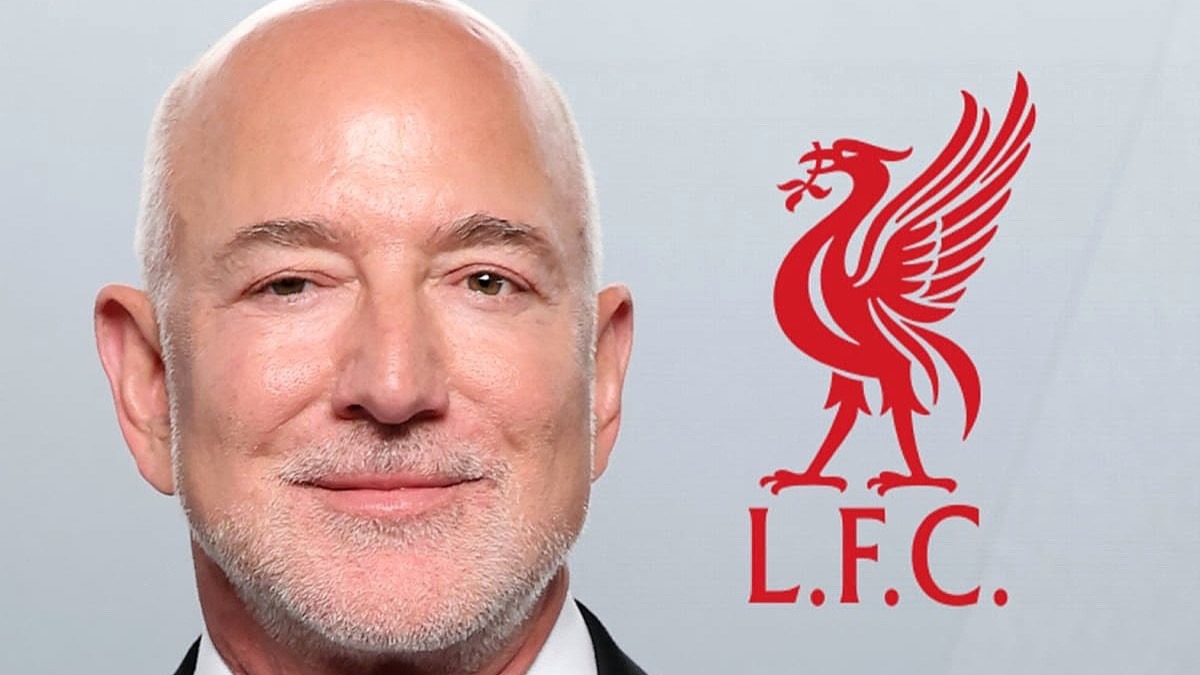
Bezos’ reported move into Liverpool offers a different lesson.
Rather than buying the football club outright, he is part of a consortium led by Amit Bhatia that is negotiating to acquire roughly 30 per cent of Liverpool, with Fenway Sports Group expected to retain control.
For Nigerian entrepreneurs, this is a useful reminder that full ownership is not always necessary to participate in a valuable opportunity.
Joint ventures, strategic investments, consortiums, licensing arrangements and distribution partnerships can give businesses access to opportunities that would be difficult to pursue alone.
This matters in sectors such as energy, manufacturing, infrastructure and technology, where major projects can require more capital, expertise or infrastructure than one business can comfortably provide.
One company may have the money while another has the technology, local knowledge or distribution network. Put those strengths together, and an opportunity that looked impossible for one company can become realistic for both.
5. Nigeria Can Be Your Base Without Being Your Ceiling
Amazon’s growth also shows what can happen when a company keeps looking beyond its original market.
The company started with books, expanded into other products and services, and eventually built operations serving customers across countries and industries.
Nigeria is already a large market, so there is plenty of room to build here. Still, founders who want to build bigger companies can start thinking about other markets early.
For a technology company, this could mean creating systems that can handle different currencies and markets. Manufacturers looking at exports may need to meet international standards and build reliable distribution. Consumer brands may need packaging and positioning that can work across different countries.
AfCFTA gives Nigerian businesses another route into African markets, although taking advantage of it still requires practical work around production, logistics, regulation and distribution.
That means thinking beyond Nigeria is not simply about finding customers in another country. It affects how the company is designed from the beginning.
Jeff Bezos’ most useful lesson for Nigerian entrepreneurs may have little to do with Amazon’s size or his possible investment in Liverpool.
Instead, his story shows what can happen when a founder keeps looking for ways to build on what already exists.
One product can lead to another. Money can go into systems that make the business stronger. Existing capabilities can create new revenue. Partnerships can open doors that would be difficult to enter alone.
Most importantly, a Nigerian business can start here without being built only for here.
Overall, the goal is not to become the next Amazon.
It is to build something with enough depth, capability, and room to grow that its value keeps increasing long after the first product starts making money.

Ogochukwu Onwaeze is a writer specializing in business and economic journalism. At THEWILL News Media, she translates market trends, financial developments, and policy shifts into clear and engaging stories.

Joy Onuorah is a business journalist and brand communications specialist covering financial markets, artificial intelligence, digital economy, and the ideas reshaping business across Africa and the global market. Beyond her reporting for TheWill, Joy uses brand strategy, storytelling, copywriting, and high-value SEO to help brands build lasting market authority.