
-
The US plans to terminate South Africa and Rwanda’s AGOA eligibility from January 1, 2027.
-
South Africa exported about $1.7 billion worth of goods to the US under AGOA in 2025.
-
Washington cited trade barriers, corruption and national-security concerns in South Africa’s case.
-
Rwanda faces separate concerns over human rights, political freedoms and US foreign-policy interests.
November 03, (THEWILL) – The United States is moving to remove South Africa and Rwanda from its flagship duty-free trade programme for Africa, putting exporters in both countries on notice that preferential access to the American market could end from January 1, 2027.
US Trade Representative Jamieson Greer said President Donald Trump had notified Congress and the two governments of his intention to terminate their eligibility under the African Growth and Opportunity Act after an annual review found their practices inconsistent with the programme’s requirements.
Washington cited barriers to American trade and investment, corruption and threats to US national-security and foreign-policy interests in South Africa.

For Rwanda, the concerns also include rule of law, political pluralism, workers’ rights and human rights.
AGOA, introduced in 2000, gives eligible sub-Saharan African countries duty-free access to the US for thousands of products.
READ ALSO:
South Africa Has More at Stake

South Africa is the largest AGOA beneficiary and exported about $1.7 billion worth of goods under the programme in 2025, including automotive products, citrus and wine. AGOA-covered trade accounts for roughly 10% of South Africa’s exports to the US, although it represents only about 1% of the country’s total global exports.
Certain industries are much more exposed than those economy-wide figures suggest.
South Africa’s automotive industry exported a record 414,271 vehicles in 2025, while vehicle and component exports were worth R291 billion. The sector supports about 115,000 direct manufacturing jobs and has historically relied on preferential market access, including AGOA, as part of its export strategy.
Agricultural exporters also face pressure. Reuters reported that some producers planted orchards specifically for American demand, meaning the loss of preferential treatment could squeeze margins and threaten jobs even if the wider national impact remains contained.
Trade and Industry Minister Parks Tau said South Africa had been preparing for an adverse AGOA review and would support affected industries while seeking alternative markets. The government has already been expanding trade relationships beyond the US, including with China and other partners.
Rwanda Faces a Different Set of Concerns
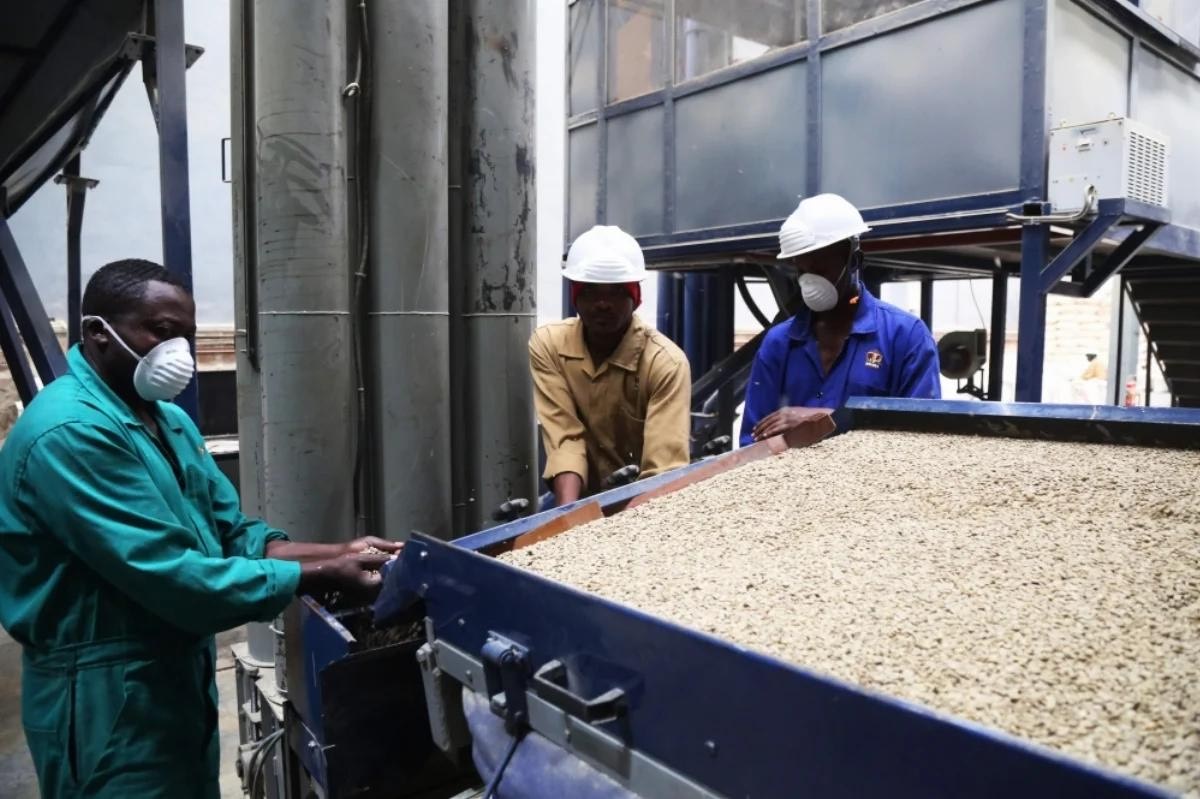
Rwanda’s trade exposure to the United States is much smaller, but the political significance of its removal is substantial.
Washington listed concerns ranging from human rights and political pluralism to trade barriers and national-security interests. Rwanda has already faced partial AGOA restrictions since 2018, when the US suspended benefits for certain apparel exports.
Current tensions also sit against wider US pressure over Rwanda’s alleged support for the M23 rebel movement in eastern Democratic Republic of Congo, an allegation Kigali has repeatedly disputed.
The latest move turns AGOA into more than a trade instrument. Eligibility is increasingly being used to enforce political, economic and foreign-policy conditions attached to access to the US market.

Joy Onuorah is a business journalist and brand communications specialist covering financial markets, artificial intelligence, digital economy, and the ideas reshaping business across Africa and the global market. Beyond her reporting for TheWill, Joy uses brand strategy, storytelling, copywriting, and high-value SEO to help brands build lasting market authority.
