
-
Antler plans to back at least 100 additional African startups over the next five years.
-
The VC firm sees power, battery storage, data centres and electric mobility as major opportunities around AI.
-
Global data-centre electricity use could almost double to 950 TWh by 2030 as AI demand accelerates.
-
Nigeria enters that race with a severe power constraint, with 82% of businesses reporting electricity outages in 2025.
November 3, (THEWILL) – Africa’s next artificial intelligence opportunity may be found as much in electricity, batteries and data centres as in software.
Venture capital firm Antler plans to back at least 100 more African startups over the next five years, with founder and CEO Magnus Grimeland identifying electricity infrastructure, renewable energy, battery storage, data-centre technology and electric mobility among areas where new businesses could emerge.
Speaking at the Building and Funding Africa’s AI summit in Lagos, Grimeland argued that major technological shifts typically draw heavy investment into infrastructure before opportunities spread further into applications.

Antler has already backed more than 35 African companies and supported over 500 founders through its regional programmes.
The firm expects to invest in 15 to 20 Nigerian startups in 2026, up from around 10 previously, although it has not disclosed how many of the proposed 100 African investments will go to Nigeria.
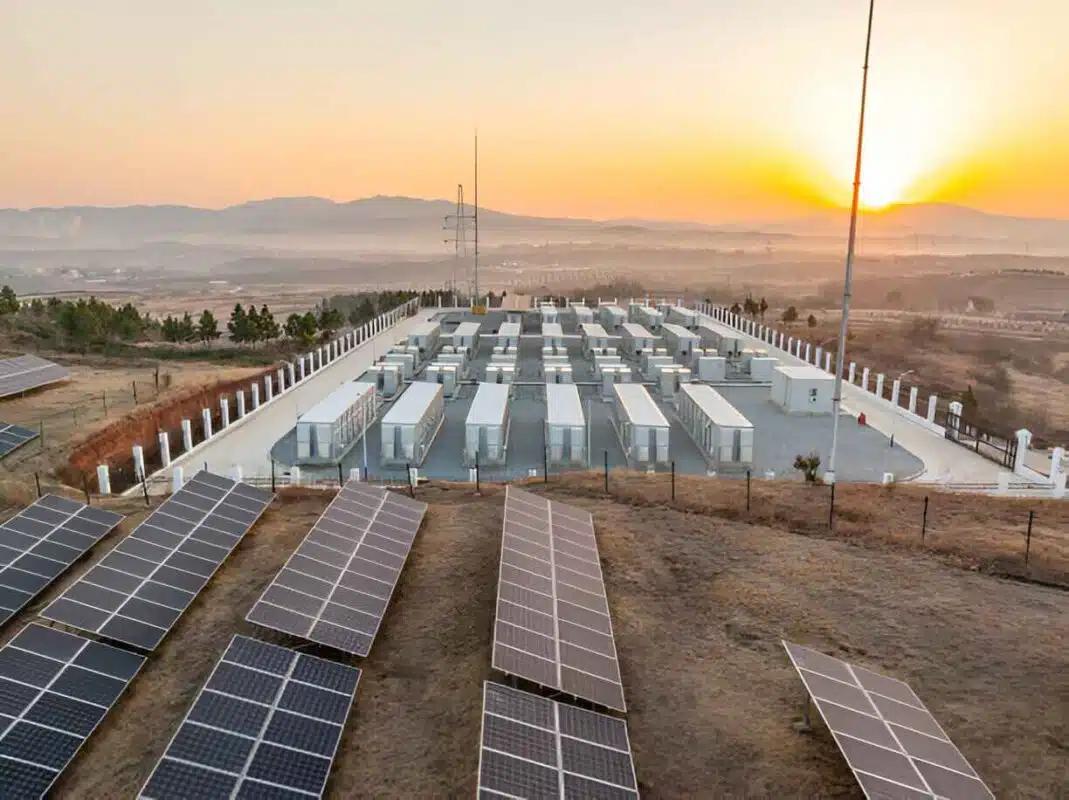
AI Cannot Scale Without Electricity
The global AI boom is becoming an energy story.
Data centres consumed about 485 terawatt-hours of electricity in 2025, according to the International Energy Agency, which expects consumption to reach roughly 950 TWh by 2030. Electricity use by AI-focused data centres is projected to triple over the same period.
That creates opportunities beyond companies developing AI products. Data centres need reliable electricity, cooling, grid connections and increasingly energy storage capable of managing sudden changes in power demand.
The IEA estimates that 20 to 25 gigawatts of battery storage could be installed at data centres worldwide by 2030.
Grimeland sees a similar connection between Africa’s AI ambitions and businesses building renewable power, storage and other electricity infrastructure.
Nigeria illustrates both the opportunity and the constraint. World Bank data shows only 62.5% of Nigerians had access to electricity in 2024, while 82% of Nigerian businesses reported experiencing electrical outages in 2025.
READ ALSO:
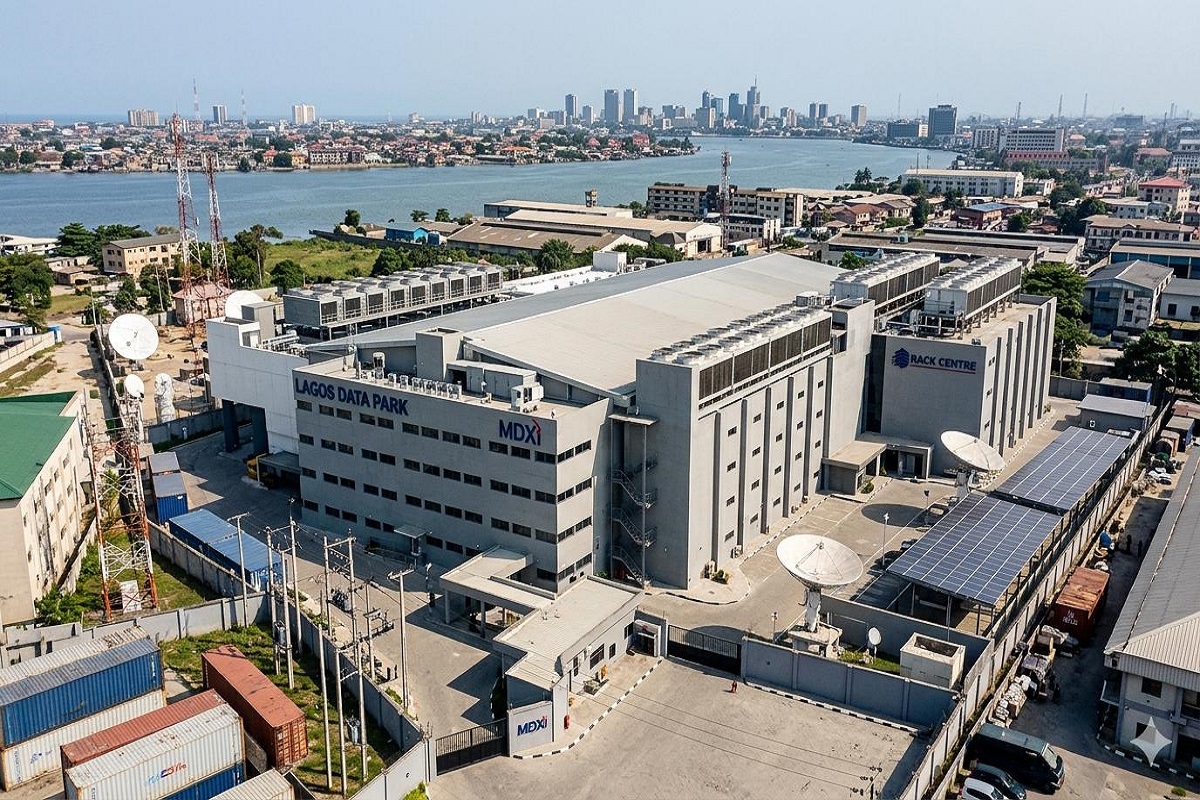
Founders May Need To Build Beneath App
Antler’s thesis also challenges one of the easiest routes into the current AI boom: building another application on top of somebody else’s model.
Grimeland cautioned against simple products whose value depends almost entirely on existing AI models without a defensible advantage. Instead, he identified infrastructure, foundational technology and businesses applying AI to specific industries as distinct opportunities.
That could broaden the definition of an African AI startup.
A company developing battery systems for data centres, software managing electricity demand, cooling technology or infrastructure connecting businesses to reliable power may have no chatbot for consumers and still sit directly inside the AI economy.
For Nigerian founders, the opportunity is tied to an unusually difficult problem. AI needs more compute, compute needs data centres, and data centres need dependable electricity.
The companies that solve that chain may capture some of the most durable value from Africa’s AI expansion before another AI app does.

Joy Onuorah is a business journalist and brand communications specialist covering financial markets, artificial intelligence, digital economy, and the ideas reshaping business across Africa and the global market. Beyond her reporting for TheWill, Joy uses brand strategy, storytelling, copywriting, and high-value SEO to help brands build lasting market authority.
