
-
Brent crude fell 7.6% on Monday before rebounding above $106 a barrel on Tuesday after renewed US strikes on Iran.
-
Nigeria’s 2026 budget assumes an oil price of $64.85 per barrel and production of 1.84 million barrels per day.
-
The IMF estimates every $10 change in oil prices can shift Nigeria’s current-account balance by about 1% of GDP.
-
Lower crude can ease fuel and imported inflation pressures, but sustained weakness would also reduce export earnings and foreign-exchange inflows.
November 3, (THEWILL) – Oil prices are swinging sharply as hopes for peace between the United States and Iran collide with fresh military action, exposing how quickly Nigeria’s revenue and foreign-exchange outlook can change with events thousands of kilometres away.
Brent crude plunged 7.63% on Monday to $104.77 a barrel, while West Texas Intermediate fell 7.36% to $96.46 after talks involving Iranian and Qatari officials raised hopes that the conflict could ease and Middle East oil supply could stabilise.
By Tuesday morning, part of that decline had reversed. Brent rose to about $106.61 after the United States struck Iran’s Qeshm Island and Iranian officials played down prospects of a quick agreement, restoring some of the geopolitical premium traders had removed only hours earlier.

For Nigeria, those swings carry consequences beyond the trading screen.
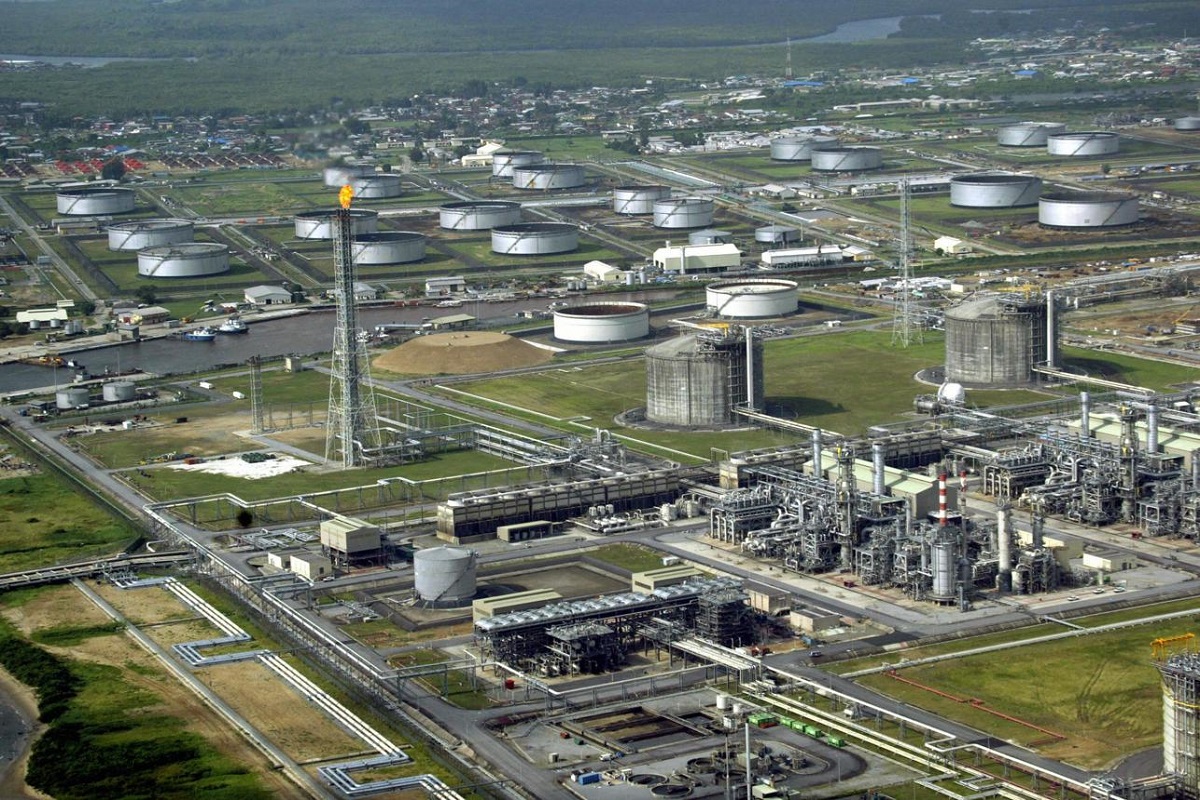
Higher Oil Helps Revenue, Lower Oil Helps Costs
Nigeria’s 2026 federal budget was built around a benchmark oil price of $64.85 per barrel and production of 1.84 million barrels per day, giving the government considerable price headroom while crude remains above $100.
Higher prices can strengthen export receipts, federation revenue and dollar inflows into an economy where crude remains a major source of foreign exchange.
Price gains are not entirely positive, however. Nigeria still operates inside an economy exposed to international petroleum-product prices, transport costs and imported inflation. Expensive crude can therefore improve government receipts while increasing costs elsewhere.
A sustained decline produces the opposite trade-off. Consumers and businesses may benefit from lower international energy costs, but government oil income and foreign-exchange earnings weaken.
IMF estimates show the scale of that sensitivity. A $10-per-barrel change in oil prices can alter Nigeria’s current-account balance by around 1% of GDP, while shifting the overall fiscal balance by about 0.4% of GDP, assuming other factors remain unchanged.
READ ALSO:
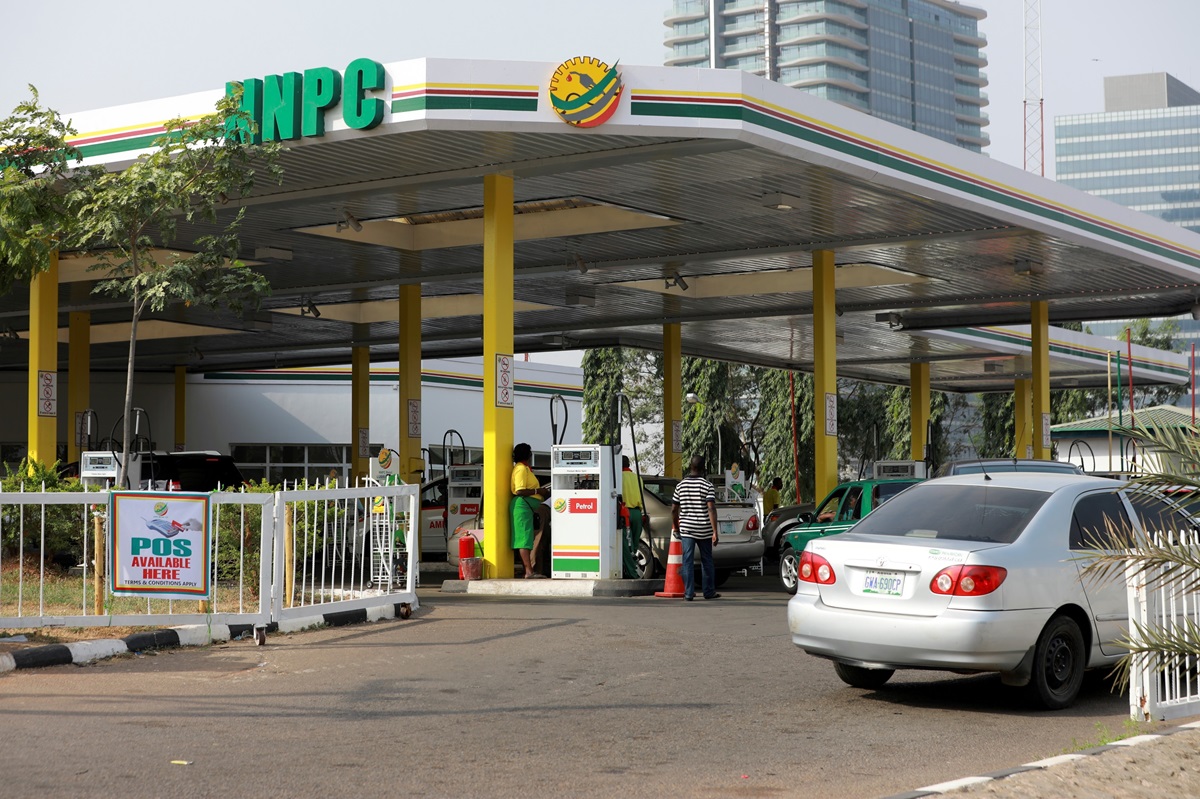
Production Still Determines How Much Nigeria Gains
Price alone does not determine Nigeria’s oil windfall.
The country produced about 1.50 million barrels of crude per day in August, excluding condensates, roughly equal to its OPEC quota but still below the 1.84 million barrels per day underpinning the 2026 budget assumption.
That gap matters. A high international price cannot generate the revenue assumed in the budget if Nigeria does not produce and export enough barrels.
Monday’s collapse and Tuesday’s rebound also show why temporary price spikes offer little fiscal comfort. Middle East negotiations, military strikes and shipping risks around the Strait of Hormuz can move crude prices sharply within a single session.
Nigeria therefore benefits most not from exceptionally expensive oil, but from a combination that has proved harder to secure: stable prices, consistently higher production and reliable export volumes.
Until then, every new turn in the Middle East will continue travelling quickly from the oil market into Nigeria’s budget calculations, dollar inflows and eventually the naira.

Joy Onuorah is a business journalist and brand communications specialist covering financial markets, artificial intelligence, digital economy, and the ideas reshaping business across Africa and the global market. Beyond her reporting for TheWill, Joy uses brand strategy, storytelling, copywriting, and high-value SEO to help brands build lasting market authority.
