
-
A UK banking pilot tied payment release to delivery confirmation.
-
Real money moved, but the marketplace purchase was simulated.
-
Tokenised deposits represent money held in commercial banks.
-
Disputed deliveries will test more than the payment technology.
September 24, (THEWILL) – An online buyer wants the goods before releasing the money. A seller wants assurance of payment before handing them over. Moving money faster does not, on its own, settle that disagreement.
British banks have tested a way to connect the two. In a simulated marketplace purchase, funds were locked in the buyer’s account and released to the seller when the delivery condition was met.
Real money moved between accounts, although no goods changed hands, according to a Reuters report published on September 24. That limitation leaves an important part of the proposition untested in the reported transaction.

Money With Instructions Attached
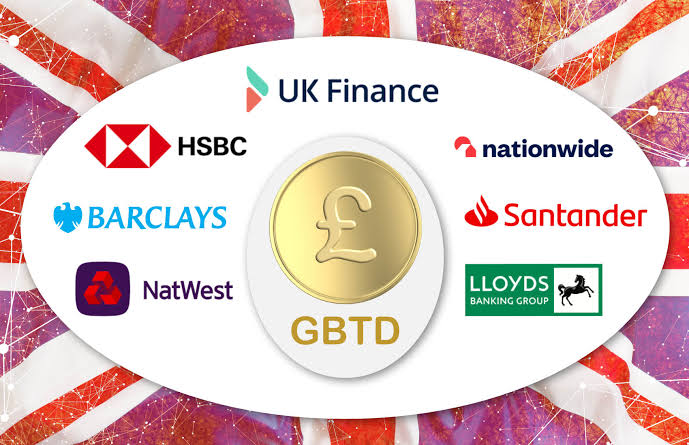
The Great British Tokenised Deposit initiative uses digital representations of commercial bank deposits that can execute payments when specified conditions are satisfied. UK Finance says the deposits retain conventional bank money’s regulatory protections.
Barclays, Lloyds and NatWest also completed two remortgage transactions. Funds were locked and automatically released at completion, while a separate group including HSBC conducted the marketplace test.
Participants plan to establish a governing entity and rulebook before moving into full production. Three digital bonds are planned for the first quarter of 2027, with trading and settlement using tokenised deposits. These remain planned steps rather than services already available to the public.
Holding payment until an agreed event is familiar from escrow arrangements. The pilot explores how that conditional release can work through bank deposits across participating institutions.
READ ALSO:
Someone Still Has To Confirm Delivery
For a Nigerian merchant considering a similar service, the difficult transaction to imagine is a disputed delivery.
A courier marks a package as delivered, but the buyer says it contains the wrong product. If the courier’s confirmation triggers payment, the money may leave before inspection. If the buyer alone controls confirmation, a dishonest customer could receive the goods and withhold approval.
Those are illustrative scenarios, rather than failures reported in the UK trial. They show why the rules governing evidence, inspection periods and disputes deserve as much attention as the mechanism moving the money.
Funds locked in an account also have a practical cost. Buyers need to know how long their money could remain unavailable when delivery fails, while sellers need clarity on refunds and the evidence required to obtain payment.
UK Finance presents reduced fraud and greater customer confidence as potential benefits. Its published summary does not establish how the system would perform across large numbers of contested purchases.
For Nigerian banks and payment providers studying the experiment, the useful lesson is to examine the delivery and dispute rules alongside the technology.
A payment can follow its instructions perfectly and still produce an unfair outcome if those instructions accept the wrong evidence.

Joy Onuorah is a business journalist and brand communications specialist covering financial markets, artificial intelligence, digital economy, and the ideas reshaping business across Africa and the global market. Beyond her reporting for TheWill, Joy uses brand strategy, storytelling, copywriting, and high-value SEO to help brands build lasting market authority.