
-
Cardoso says September’s rate adjustment addressed weaknesses in monetary policy transmission.
-
CBN lowered its benchmark from 26.5% to 23% on September 22.
-
Closer fiscal coordination and clearer overnight rates helped prepare the move, he says.
-
The bank has maintained that the adjustment does not end its restrictive policy stance.
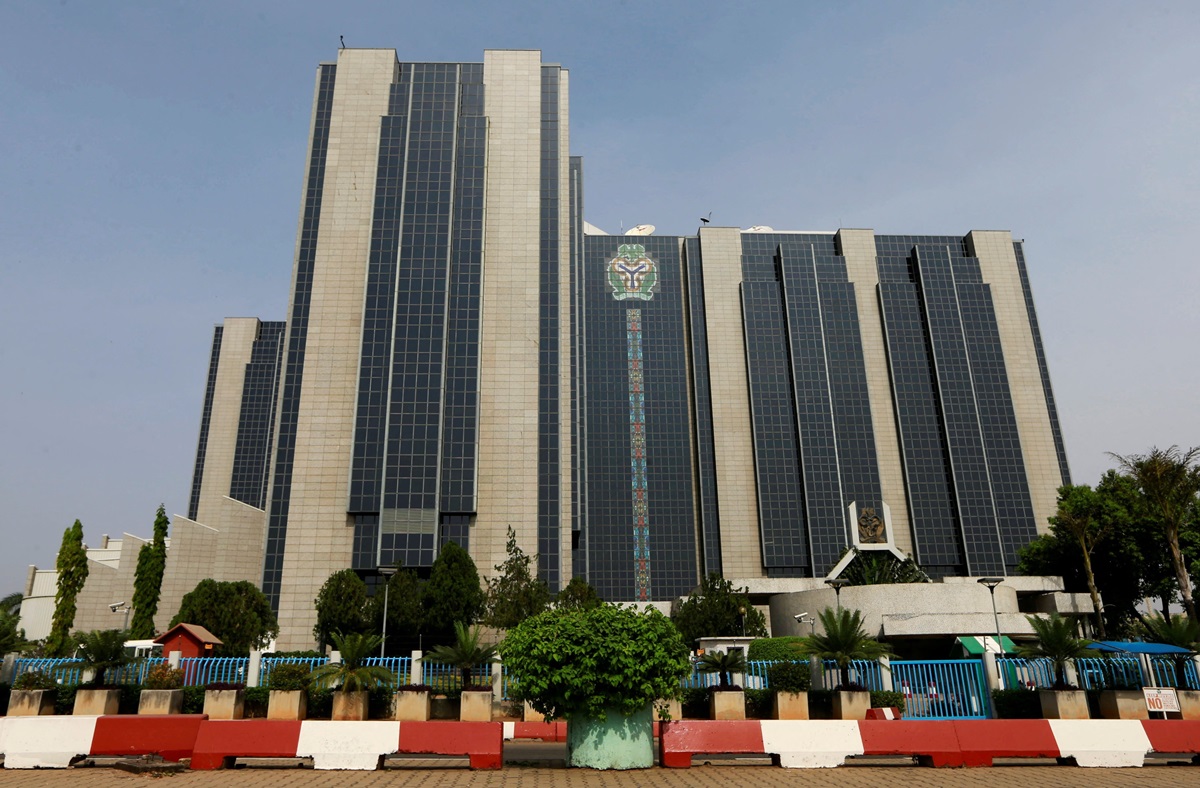
October 15, (THEWILL) – Central Bank of Nigeria Governor Olayemi Cardoso on Thursday defended September’s surprise interest-rate reduction, saying stronger economic conditions gave the bank room to repair weaknesses in how its policy decisions influence financial markets.
Speaking at an IMF panel in Bangkok on October 15, Cardoso said improving coordination with fiscal authorities and greater clarity about overnight interest rates helped create the conditions for the adjustment.
“It took the market by surprise, and markets, as we know, generally don’t like surprises,” he said in remarks reported from the session.

His explanation follows the Monetary Policy Committee’s September 22 decision to reset the benchmark rate at 23%, down from 26.5%. Thursday’s remarks concerned that earlier decision; no fresh rate change was announced.
Bringing the Policy Rate Closer to the Market
Cardoso’s argument centres on monetary policy transmission, the process through which central-bank decisions influence market interest rates, borrowing and spending.
At a separate investor engagement reported on October 14, he said money-market rates had been operating below the policy benchmark, weakening its usefulness as a signal.
“So, policy rate was reset. What they put there is cut, that is not the right word. It was reset,” he said.
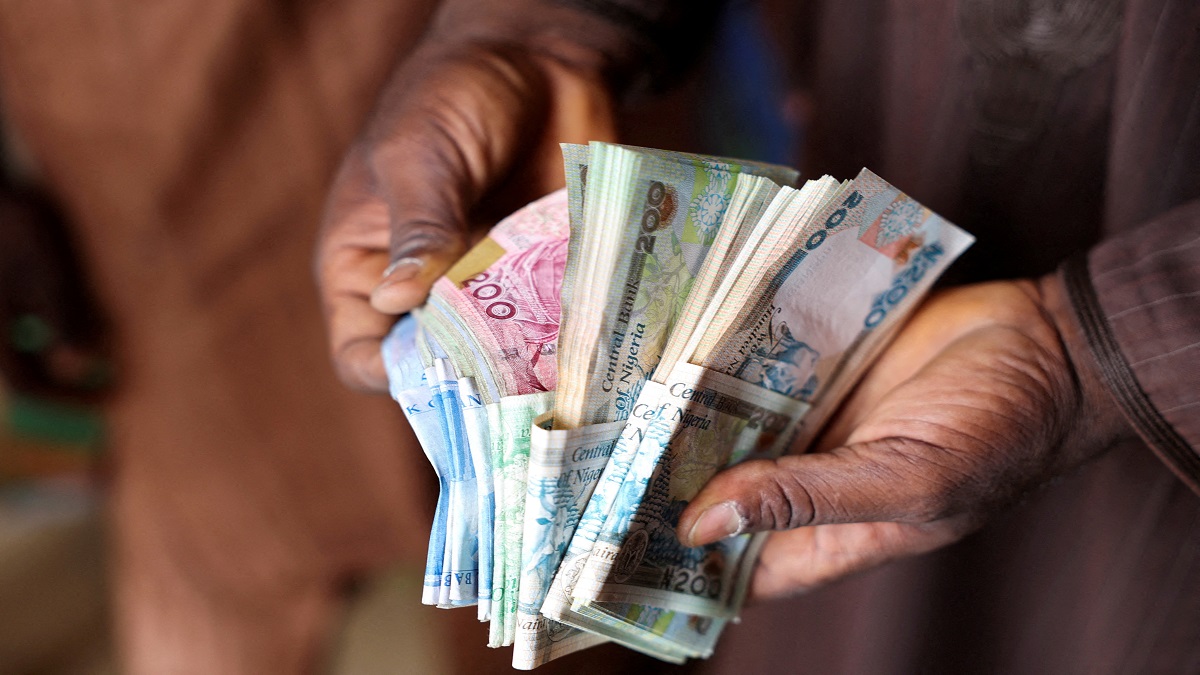
The numerical reduction was substantial, at 3.5 percentage points.
However, CBN’s stated purpose was to make its benchmark more effective, rather than signal an unrestricted move towards cheaper money.
September’s decision also changed the rates surrounding the benchmark.
The published corridor placed the standing lending rate at 23.5% and the standing deposit rate at 20%, calculated from the announced margins above and below the MPR.
Meanwhile, the cash reserve requirement for deposit money banks remained 45%. Banks therefore faced an unchanged reserve requirement alongside the lower policy rate.
READ ALSO:
Coordination Before the Announcement
At Thursday’s discussion, Cardoso pointed to a memorandum of understanding between fiscal and monetary authorities intended to improve coordination.
He also said the overnight financing rate had made prevailing interest-rate conditions clearer.
Stronger reserves, declining inflation and continued economic growth provided additional support for the decision, according to the governor.
He said the bank spent longer than usual explaining its reasoning after the September meeting so market participants could understand the adjustment.
Those remarks describe CBN’s assessment of its policy. They do not establish that commercial borrowers have already received equivalent reductions in their loan rates.
For businesses, the benchmark influences financing conditions but does not determine every lending contract. A reduction in the MPR does not automatically rewrite an existing loan agreement or lower its fees.
Cardoso’s comments at the preceding investor engagement also left the inflation target without a firm delivery date.
He said CBN would maintain a tight monetary stance while pursuing single-digit inflation, but acknowledged that it could not say when that target would be reached.

Joy Onuorah is a business journalist and brand communications specialist covering financial markets, artificial intelligence, digital economy, and the ideas reshaping business across Africa and the global market. Beyond her reporting for TheWill, Joy uses brand strategy, storytelling, copywriting, and high-value SEO to help brands build lasting market authority.
