
-
Gani Adams calls for greater investment in tourism and cultural products to improve Nigeria’s global image.
-
NTDA urges coordinated destination marketing and stronger storytelling, while developing a dedicated tourism streaming platform.
-
Censors Board challenges filmmakers to feature Nigeria’s landscapes and attractions to inspire travel and promote local destinations.
October 18, (THEWILL) – Nigeria’s tourism industry needs more than attractive destinations to compete internationally. It requires investment, stronger collaboration and stories that give visitors compelling reasons to explore the country.
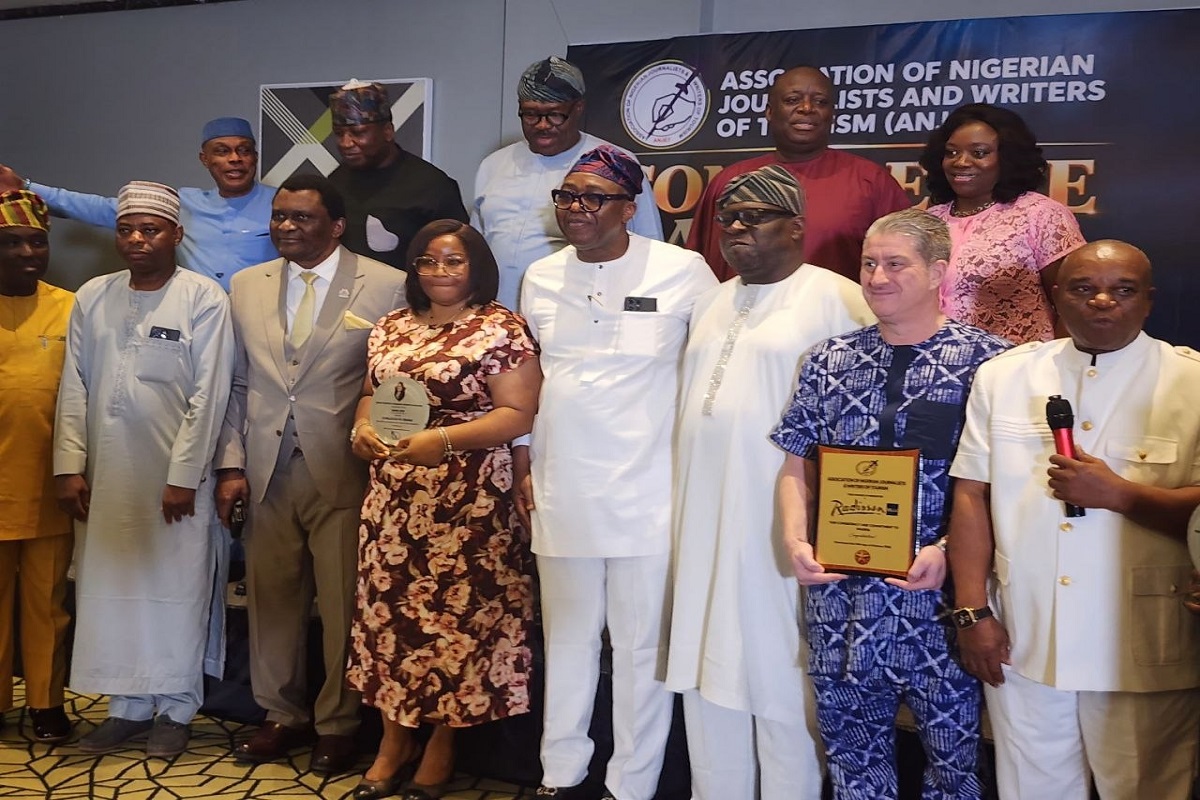
That message resonated at the 2026 Annual Conference and Awards of the Association of Nigerian Journalists and Writers of Tourism (ANJET), which brought together past and current tourism and immigration stakeholders, alongside journalists, tourism practitioners and other professionals connected to the industry.
Held in Lagos on Friday, October 16, the conference examined the relationship between tourism development and the Federal Government’s immigration reforms under the theme, Nigerian Tourism Industry and Current Administration’s Immigration Reforms.

The discussions highlighted a common challenge: Nigeria has diverse cultural attractions, landscapes and tourism experiences, but their potential to improve the country’s international reputation and generate economic opportunities remains underexploited.
Iba Gani Adams, the Aare Onakakanfo of Yorubaland, called on federal and state governments to prioritise tourism investment and develop cultural products capable of attracting visitors and generating income for local communities.
Drawing a comparison with the United States, he pointed to Hollywood’s influence on the country’s global image and argued that Nigeria could achieve similar results by strategically promoting its culture, heritage and destinations.
Adams also urged tourism organisations to establish a common platform for promoting the industry, warning that poor collaboration was undermining collective efforts.
He received the Most Impactful Cultural Tourism Personality in Nigeria award at the conference.
READ ALSO:
For the Director-General of the Nigerian Tourism Development Authority (NTDA), Dr Olayiwola Awakan, effective storytelling and coordinated destination marketing are essential to changing perceptions of Nigeria and unlocking the sector’s economic potential.
Awakan said international audiences often viewed Nigeria as one destination rather than distinguishing between its states, making a coordinated national approach to tourism promotion necessary.
He urged journalists to report on the country’s emerging destinations, indigenous cuisines, festivals, creative industries, hospitality businesses and investment opportunities.
The NTDA chief also disclosed that the authority was developing a dedicated streaming platform to showcase Nigeria’s tourism attractions, culture and creative industries. He said the project was approximately 75 per cent complete and was being developed with private-sector partners.
The call for stronger destination storytelling extended to the film industry.
Dr Shaibu Husseini, Executive Director and Chief Executive Officer of the National Film and Video Censors Board (NFVCB), urged Nigerian filmmakers to feature more of the country’s waterfalls, hills, mountains and green spaces in their productions.
He argued that Nigerian films offered an important opportunity to introduce domestic and international audiences to destinations they might otherwise never discover.
Husseini recounted learning about a waterfall in Enugu through an American visitor, despite being Nigerian, illustrating the gaps in awareness of the country’s own attractions.
He also stressed that promoting destinations through film would achieve limited results without adequate physical access to tourist sites. The board, he said, was pursuing digital reforms to simplify processes for filmmakers and encourage international productions in Nigeria.
The conference’s focus on immigration reforms added another dimension to the discussions, bringing tourism promotion into conversation with the policies and processes that shape international travel.
Taken together, the contributions pointed to the need for stronger links between government agencies, tourism businesses, creative professionals, host communities and the media.
For Nigeria, the challenge is not simply to tell more stories, but to connect those stories to accessible destinations, investable tourism products and experiences that encourage visitors to travel.
The conference provided a meeting point for stakeholders across the industry to examine these issues, and the role collaboration could play in turning Nigeria’s tourism potential into measurable economic gains.

Janefrances Ebere Chibuzor is a Tourism Writer at THEWILL
