
-
President Tinubu’s directive reversing the EFCC’s freeze on Osun State’s account triggers nationwide political, legal, and public reactions ahead of the August 15 governorship election.
-
Opposition parties question the President’s explanation, while the Osun Government presses ahead with a N2 billion lawsuit challenging the anti-graft agency’s action.
-
Senior lawyers and civil society groups back Tinubu’s intervention but insist the dispute must ultimately be resolved through due judicial process and constitutional safeguards.
-
Thousands of Nigerians on social media call for the resignation or removal of EFCC Chairman Ola Olukoyede, accusing the Commission of damaging public confidence in its independence.
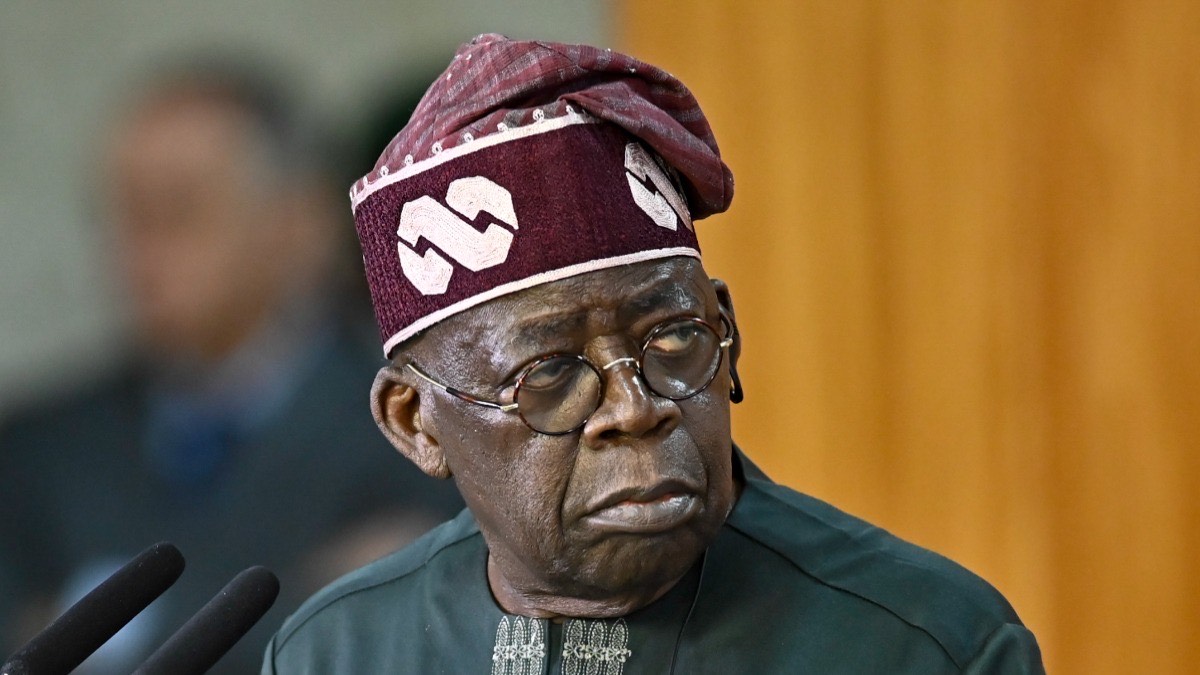
August 07, (THEWILL) — President Bola Tinubu’s directive ordering the Economic and Financial Crimes Commission (EFCC) to vacate the court order freezing the Osun State Government’s statutory allocation account has ignited a wave of political, legal, and public reactions, with opposition parties questioning the President’s explanation, constitutional lawyers and civil society organisations weighing in on the controversy.
The Osun State Government meanwhile are pressing ahead with legal action, and many Nigerians are demanding the resignation or removal of EFCC Chairman, Ola Olukoyede.
The directive, issued in a personally signed statement by the President on Thursday, followed days of intense controversy over the EFCC’s decision to restrict withdrawals from one of Osun State’s statutory allocation accounts as part of an ongoing investigation into the alleged diversion of about N11 billion in Ecology Funds, Intervention Funds, and Federation Account Allocation Committee (FAAC) allocations.

Although Tinubu maintained that he remained committed to the operational independence of anti-corruption agencies, he described the timing of the EFCC’s action (barely days before the August 15 governorship election), as inappropriate and capable of creating the impression that federal institutions were being deployed to influence the electoral process.
The President consequently directed the Commission to immediately return to court to vacate the freezing order and discontinue the proceedings.
His intervention immediately altered the tone of the national conversation but also raised fresh questions about the operational independence of anti-graft agencies and executive oversight.
Opposition Queries Presidential Intervention
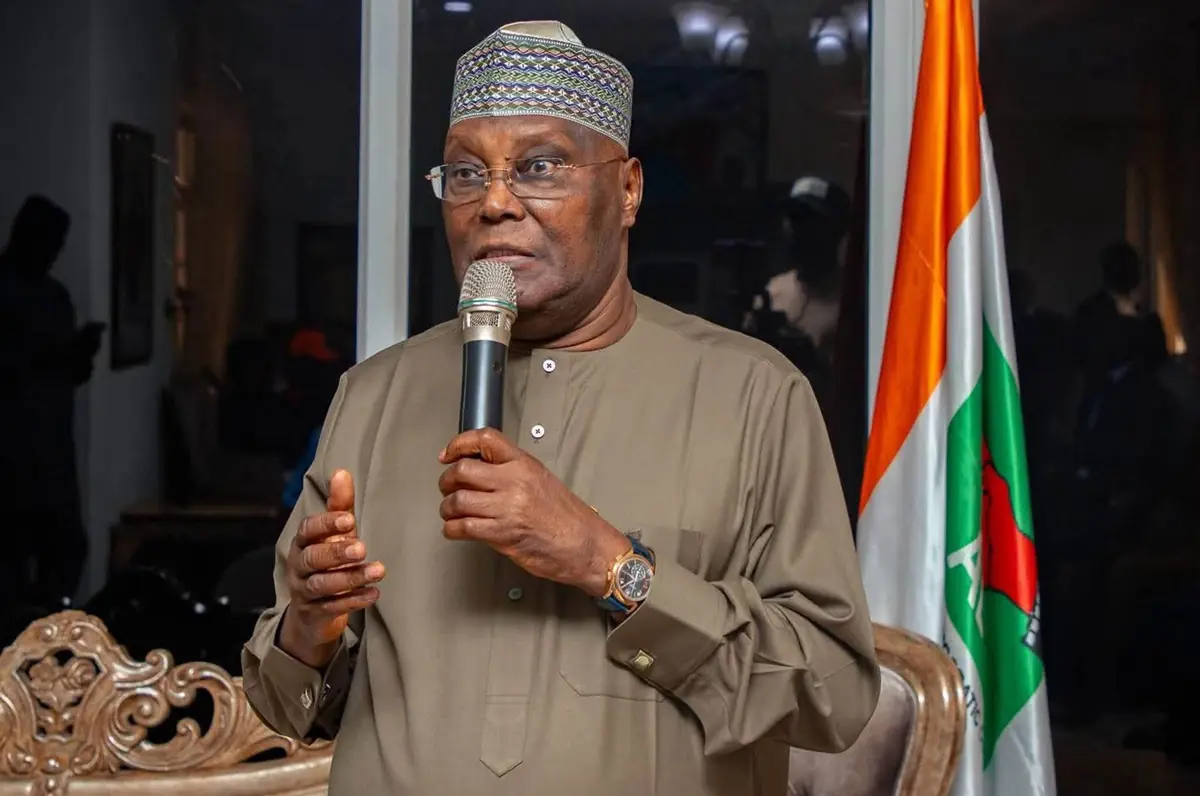
The African Democratic Congress (ADC) welcomed the President’s decision to reverse the EFCC’s action but argued that the explanation accompanying the directive had raised more constitutional and institutional questions than it resolved.
In a statement signed by its National Publicity Secretary, Bolaji Abdullahi, the party questioned Tinubu’s repeated references to a court order authorising the freezing of the account, noting that the EFCC had consistently defended its action solely based on its statutory powers without publicly disclosing that it had obtained judicial approval.
The ADC further argued that if the President could direct the EFCC to discontinue legal proceedings, it would undermine repeated claims that anti-corruption agencies operated independently of the Presidency.
Former Vice President Atiku Abubakar also faulted the development, saying the President’s directive effectively demonstrated that the EFCC remained subject to presidential control.
READ ALSO: Tinubu Orders EFCC to Unfreeze Osun Account
According to Atiku, freezing a state’s principal operational account on the eve of a governorship election risked disrupting governance, delaying salary payments, and undermining confidence in the democratic process.
He maintained that if the President possessed the authority to direct the EFCC to withdraw proceedings in Osun, similar authority should equally apply to other anti-corruption cases.
Osun Government Pursues Legal Action
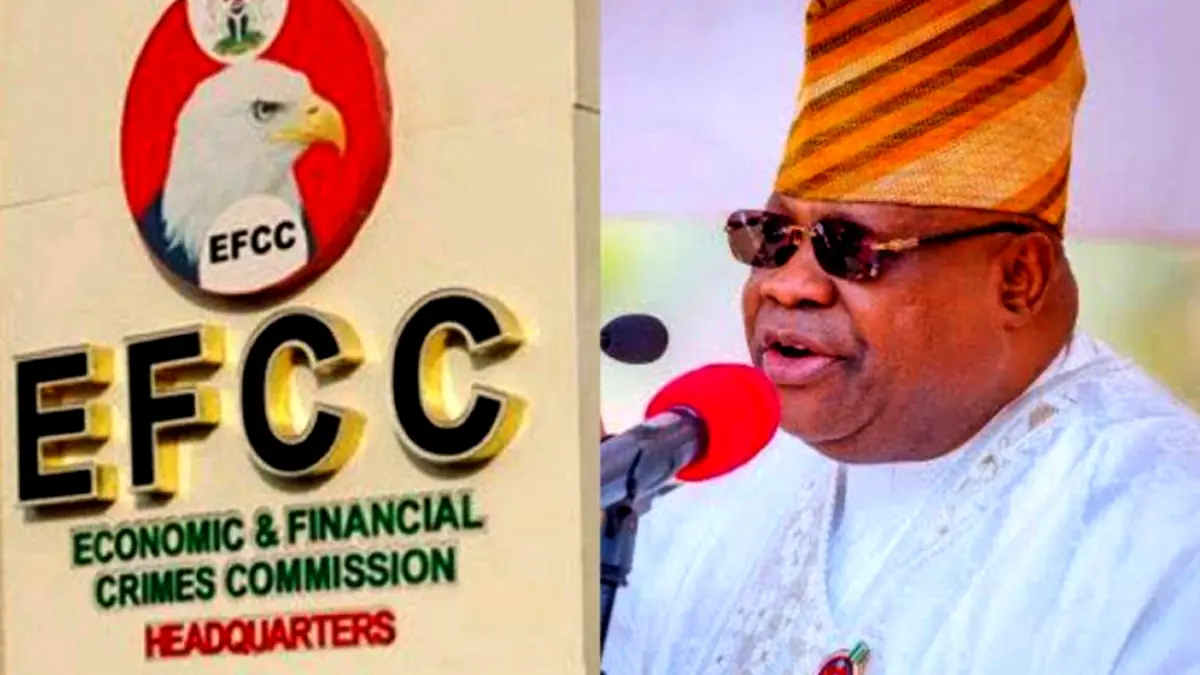
Despite the President’s intervention, the Osun State Government has continued with its legal challenge against the anti-graft agency.
THEWILL recalls that Governor Ademola Adeleke’s administration filed a suit before the Federal High Court, Abuja, seeking to nullify the freezing directive and asking the court to award N2 billion in exemplary damages against the Commission.
The state contends that the EFCC acted unlawfully by directing First Bank to restrict access to the account without due judicial authorisation and argues that the action amounted to executive lawlessness, abuse of statutory powers, and unconstitutional interference with the financial autonomy of a federating unit.
The suit seeks declarations nullifying the restriction, perpetual injunctions restraining similar actions in the future, and compensation for what the government described as unlawful interference with public funds.
Earlier, Governor Adeleke accused the EFCC of acting to frustrate governance ahead of the election and challenged the Commission to justify its decision.
The state has also rejected allegations that about N11 billion was diverted, insisting that available public resources had been transparently deployed to infrastructure, workers’ welfare, and development projects.
Lawyers, Civil Society Back Due Process
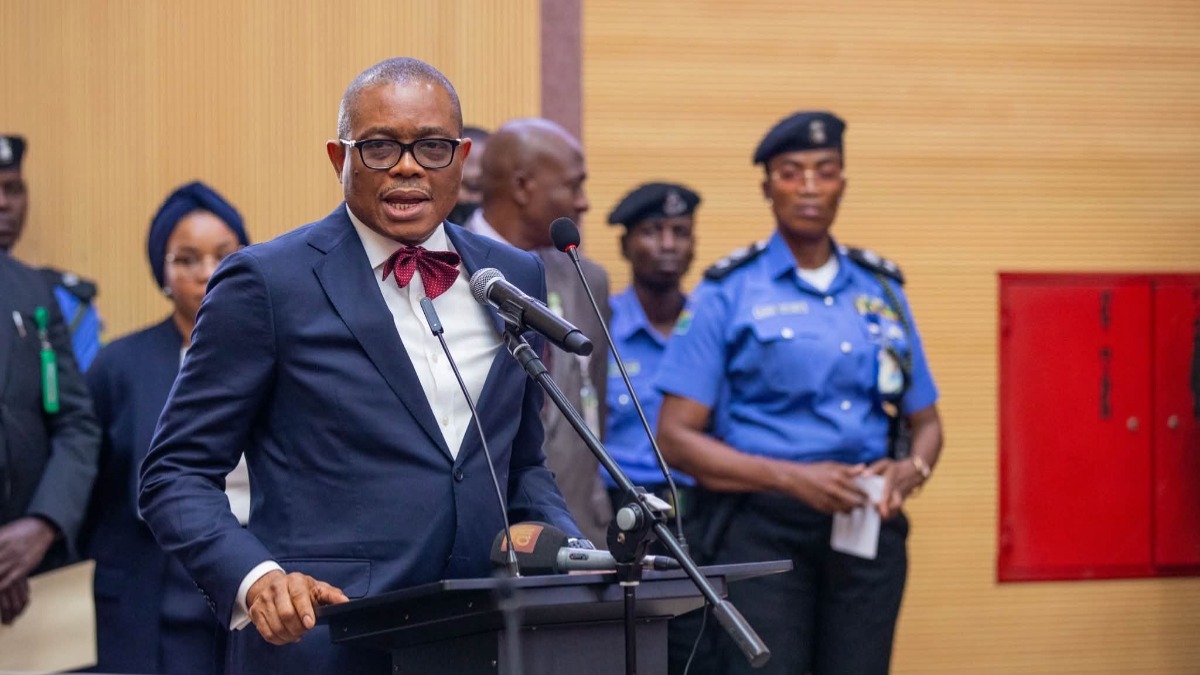
Several senior lawyers and civil society organisations supported President Tinubu’s intervention while stressing that constitutional procedures must still be followed.
Constitutional lawyer Tokunbo Afikuyomi described the President’s decision as a positive step towards preserving electoral credibility but insisted that the EFCC must formally return to court to discharge the freezing order rather than rely solely on executive instruction.
The President of the Nigerian Bar Association (NBA), Afam Osigwe (SAN), had earlier criticised the freezing of the account without prior judicial authorisation, warning that blanket restrictions on government finances could cripple governance and violate constitutional safeguards.
Executive Director of the Civil Society Legislative Advocacy Centre (CISLAC), Auwal Musa Rafsanjani, said the controversy exposed legal ambiguities between the constitutional autonomy of state governments and statutory powers granted to anti-corruption agencies.
Similarly, the Executive Chairman of the Centre for Anti-Corruption and Open Leadership (CACOL), Debo Adeniran, described the President’s intervention as a necessary political response to widespread public concern over the timing of the EFCC’s action.
He maintained that while investigations into alleged financial misconduct should continue, enforcement measures capable of affecting governance should be handled cautiously during election periods.
Nigerians Mount Pressure on Olukoyede
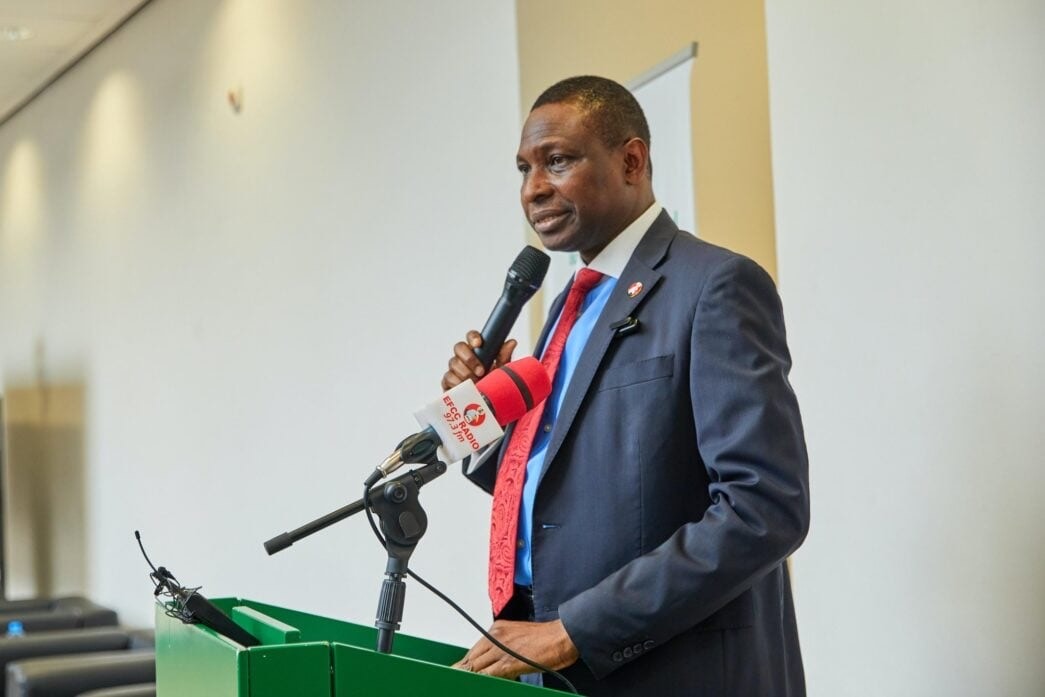
Beyond the legal and political exchanges, President Tinubu’s directive ordering the EFCC to reverse the freezing of Osun State Government’s statutory allocation account triggered a wave of public outrage, with many Nigerians taking to social media to demand the resignation or outright removal of the EFCC Chairman, Ola Olukoyede.
On X and Facebook, numerous Nigerians argued that the President’s public reversal had damaged the credibility of the Commission and called on Olukoyede to either resign or be removed from office.
Many users accused the EFCC of selectively targeting opposition-controlled states, while others argued that the Commission’s handling of the Osun matter had weakened public confidence in its impartiality.
Several commentators described the controversy as one of the most damaging public relations crises faced by the anti-graft agency in recent years, with some insisting that institutional credibility could only be restored through accountability at the highest level.
On X, several commentators argued that the President’s intervention had exposed the commission to public ridicule and raised questions about its judgment in handling politically sensitive matters barely days before the August 15 Osun governorship election.
User @Otunse1 called on Olukoyede to resign immediately, writing: “The honourable thing for Ola Olukoyede to do now is to tender his resignation. Remaining in office after this embarrassment only reinforces the perception that the EFCC is no longer acting independently.”
Another commentator, A.M. Temidayo (@AnewNaija), accused the EFCC boss of presiding over what he described as the commission’s declining credibility.
READ ALSO: ‘We Acted Within The Law’- EFCC Counters Adeleke, NBA Over Osun Account Freeze
“By the time Ola Olukoyede exits the EFCC, his departure will be the most ignominious in the commission’s history. He will not be remembered as an anti-corruption czar. Under his watch, an institution created to fight corruption has become an instrument for settling political scores.”
Similarly, Samuel Omogor (@SamuelOmogor) alleged that the anti-graft agency had become selective in its operations by focusing attention on opposition-controlled states, while Nefertiti (@firstladyship) argued that Olukoyede had abused the confidence reposed in his office and should step aside in the interest of the commission’s credibility.
Political commentator J.J. Omojuwa (@omojuwa) also weighed in, describing the entire Osun account controversy as “an avoidable mess,” adding that “there is only one solution,” in what many interpreted as a veiled call for accountability within the EFCC leadership.
The criticism extended beyond X to Facebook, where users questioned the commission’s handling of the matter after the President publicly directed it to withdraw the action.
Gbenga Shoyemi argued that if President Tinubu genuinely had no prior knowledge of the account restriction, then the EFCC Chairman should be held responsible.
“If President Bola Ahmed Tinubu was truly unaware of Ola Olukoyede and his team’s nebulous decision to freeze the Osun State Government’s account, then the EFCC Chairman should be removed immediately for bringing unnecessary embarrassment to our democratic system.”
Another Facebook user, Onatoye Temitope Michael, questioned Olukoyede’s competence to continue leading the anti-graft agency.
“He no longer has the integrity and capacity required to remain the Chairman of the EFCC.”
Segun Ben-Ajayi said the President’s statement had effectively distanced the Presidency from the EFCC’s action, leaving the commission’s leadership exposed.
“President Tinubu has thrown the EFCC Chairman under the bus. If the President is now seen as acting with greater restraint than a pastor heading the EFCC, then serious questions must be asked about the commission’s leadership.”
Also joining the calls, Deji Fasusi urged Olukoyede to resign honourably, insisting that public confidence in the commission had been severely damaged by the controversy.
Other citizens, including Dada Bukola Francis and Francis Gbenga Silas, called on the EFCC to rebuild public trust through greater transparency, professionalism, and political neutrality, warning that anti-corruption agencies must avoid actions capable of creating the perception of electoral interference.
The online backlash significantly amplified pressure on the EFCC leadership, adding another layer to the growing political, legal, and constitutional controversy surrounding the restriction placed on the Osun State Government’s account just days before the state’s governorship election.
APC Defends Tinubu
Meanwhile, the Osun State chapter of the All Progressives Congress (APC) urged Governor Adeleke to apologise to President Tinubu and Minister of Marine and Blue Economy, Adegboyega Oyetola, for previously accusing them of orchestrating the EFCC’s action.
The party argued that the President’s statement did not absolve the Osun Government of the allegations under investigation but merely expressed concern over the timing of the account restriction to prevent political interpretations ahead of the election.
According to the APC, Tinubu’s intervention reflected statesmanship and demonstrated his commitment to protecting democratic integrity rather than shielding any individual or institution.
Background
THEWILL recalls that the controversy began after the EFCC placed a Post No Debit (PND) restriction on one of the Osun State Government’s statutory allocation accounts, citing suspicious financial transactions detected during an investigation that commenced in March 2026 into the alleged diversion of approximately N11 billion in Ecology Funds, Intervention Funds, and FAAC allocations.
The Commission insisted it acted within powers granted under the EFCC Act and the Money Laundering (Prevention and Prohibition) Act, maintaining that only one account was affected and that the action was purely preventive.
Governor Ademola Adeleke condemned the restriction as unconstitutional and politically motivated, describing it as “an attack on democracy” before instituting legal proceedings against the Commission.
President Tinubu’s subsequent directive ordering the EFCC to vacate the freezing order has now transformed the matter into a broader national debate over the balance between anti-corruption enforcement, constitutional federalism, institutional independence, and electoral neutrality just days before the Osun governorship election.
Felix Ifijeh is a journalist with years of professional reporting experience. Known for his keen news sense, compelling storytelling and commitment to accurate, impactful reporting, he has built a reputation for turning leads into clear, engaging, and well-structured reports that resonate with readers. His work reflects deep newsroom experience and a commitment to accurate, impactful journalism.