
-
Cyril Ramaphosa argued that African financial markets have enough capital to finance major power projects if they are properly structured.
-
Aliko Dangote countered that while local banks have money, high interest rates and currency instability make long-term infrastructure financing difficult.
-
Their exchange highlighted a deeper problem for African economies: having capital is one thing; making it affordable and suitable for major projects is another.
Ramaphosa: Africa Has The Money
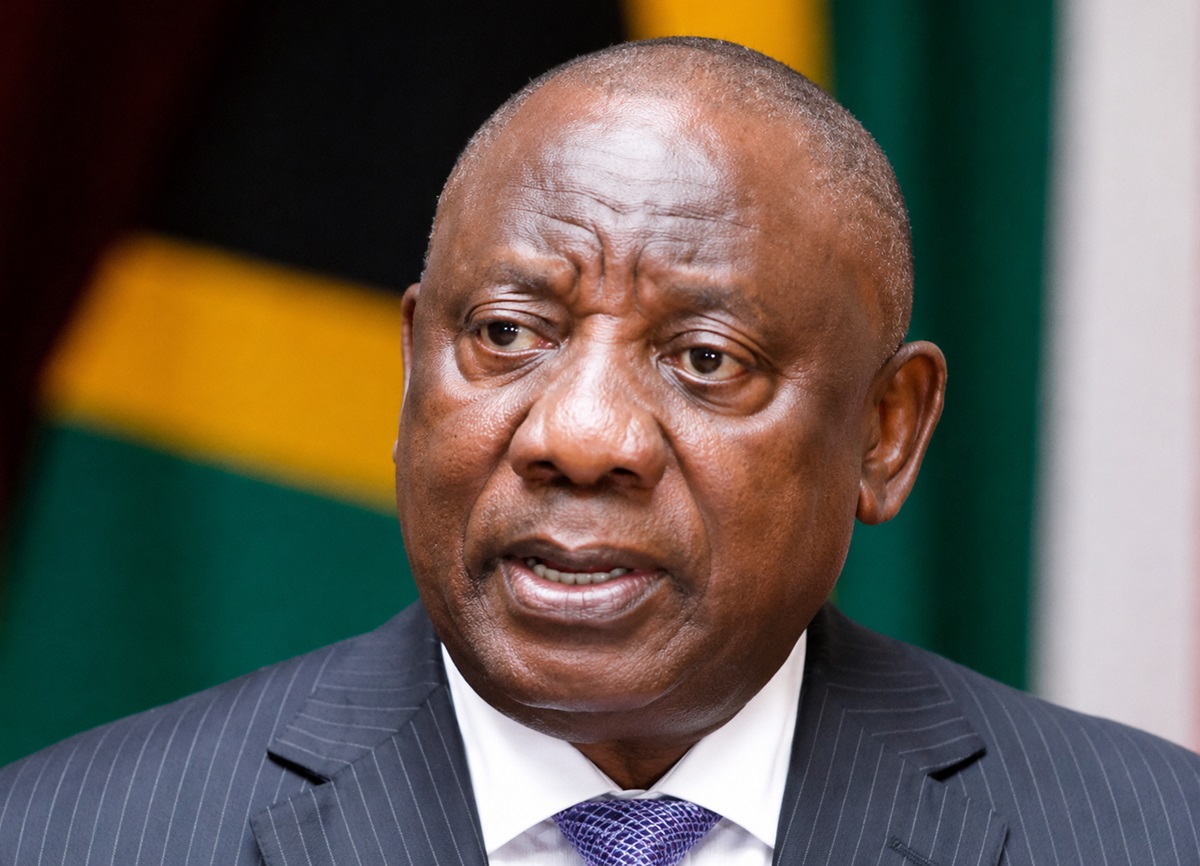
In a panel discussion on Africa’s infrastructure financing challenges, South African President Cyril Ramaphosa argued that the continent should not assume it needs foreign capital to fund major projects.
He pointed to South Africa’s experience, where domestic financial markets have played a significant role in financing renewable energy projects. His argument was that projects with clear revenue streams, credible structures and manageable risks can attract funding from local banks and investors.
Dangote: Local Money Is Too Expensive
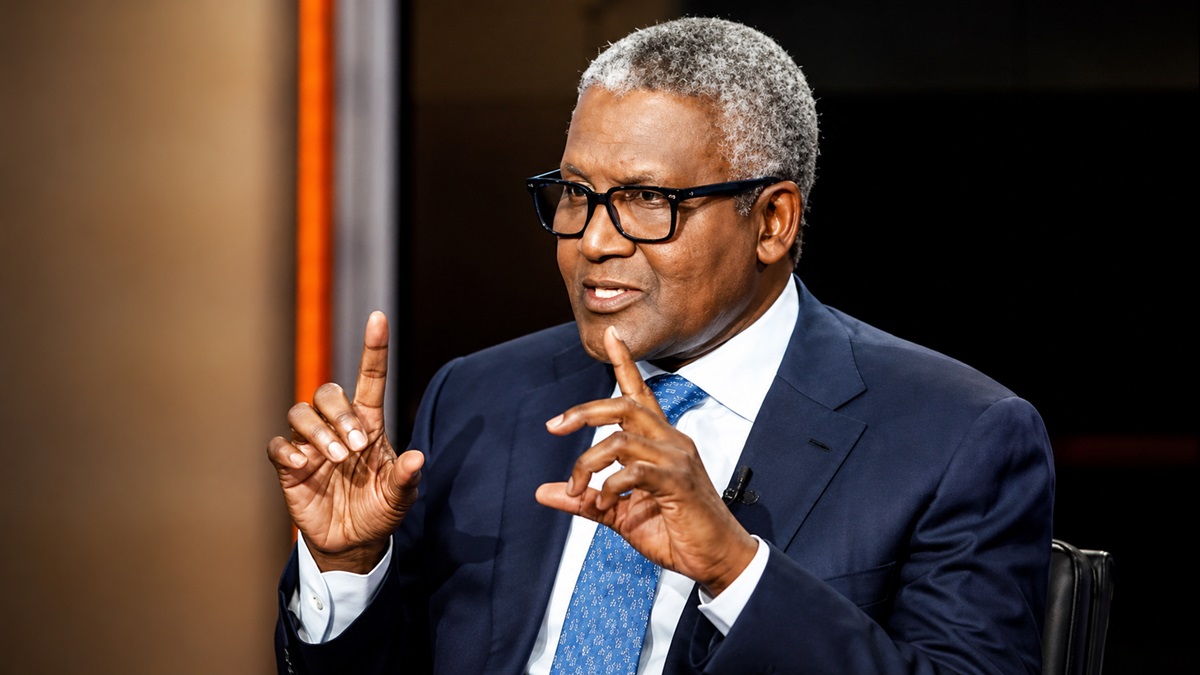
Aliko Dangote offered a different perspective, arguing that the availability of money in African banks does not necessarily mean businesses can afford to use it.

The billionaire businessman pointed to high interest rates as a major constraint, particularly for capital-intensive projects such as power generation. When financing costs are high, businesses require significantly higher returns simply to make projects viable.
This can ultimately make infrastructure more expensive and discourage investment in projects that require large amounts of capital upfront and take years to generate returns.
READ ALSO:
Currency Risk Makes Financing Harder
Dangote also highlighted currency instability as another challenge facing African businesses.
A company that borrows in dollars but generates revenue in local currency can see its debt burden rise sharply when the domestic currency depreciates. Even a commercially viable project can become financially difficult when the cost of servicing its foreign-currency debt increases.
For international and domestic investors, this currency risk can also mean demanding higher returns before committing funds.
What The Exchange Tells Us
The disagreement between Ramaphosa and Dangote offered two sides of Africa’s infrastructure financing problem.
Ramaphosa’s position was that African countries have substantial domestic savings that can be channelled into infrastructure if projects are made sufficiently attractive to investors.
Dangote’s point was that capital availability is not the same as affordable capital.
The distinction remains particularly relevant to Nigeria, where businesses continue to operate in an environment of elevated interest rates and currency risks.
The exchange therefore raises a broader question about Africa’s development: Can domestic financial markets provide the long-term and affordable funding required to close the continent’s infrastructure gap, or will major projects continue to depend heavily on foreign capital and other forms of risk-sharing?

Ogochukwu Onwaeze is a writer specializing in business and economic journalism. At THEWILL News Media, she translates market trends, financial developments, and policy shifts into clear and engaging stories.