
-
Nigeria’s real GDP growth rose from 2.74 percent in 2023 to 3.40 percent in 2024, 3.87 percent in 2025, and 4.43 percent in Q2 2026.
-
Inflation has slowed sharply from its 2024 peak, but food prices remain substantially higher than before the reforms.
-
External reserves, government revenue and capital inflows have strengthened, while household purchasing power and poverty remain under pressure.
October 7, (THEWILL) – President Bola Ahmed Tinubu, in his address on the 1st of October, declared that Nigeria has moved from an economic reform era to an era of prosperity. With this declaration, a simple question has surfaced: What has actually changed since 2023?
Key economic and household indicators show what three years of reforms have changed and where the gains have yet to reach households.
What Changed In Economy?
GDP Growth: Nigeria entered the reform period with real GDP growth of 2.74 percent in 2023. Growth increased to 3.40 percent in 2024 and 3.87 percent in 2025, before accelerating to 4.43 percent year-on-year in Q2 2026, from 3.89 percent in Q1.

The improvement indicates a gradual strengthening of economic activity, although growth remains below the pace required to generate a substantial improvement in per-capita income.
Inflation: Headline inflation stood at 22.41 percent in May 2023 and accelerated to 34.80 percent in December 2024 before easing to 15.39 percent in August 2026. Food inflation also moderated to 19.57 percent during the month.
The rebased Consumer Price Index uses 2023 as the weight reference period and 2024 as the price reference period. This means the inflation rate measures the pace of price increases; it does not mean that prices have returned to their 2023 levels.

External Reserves & Government Revenue
Nigeria’s external reserves rose from about $32.9 billion at the end of 2023 to $40.2 billion in 2024 and about $45 billion in 2025. By September 18, 2026, reserves had reached $55.25 billion.
Federation revenue also strengthened, rising from ₦16.8 trillion in 2023 to ₦31.9 trillion in 2024. The stronger revenue position contributed to a reduction in the fiscal deficit from 5.4 percent of GDP in 2023 to 3.0 percent in 2024.
The improvement in reserves and public revenue provides greater fiscal and external buffers, although it does not automatically translate into higher household incomes.
READ ALSO:
Foreign Investment
Capital importation increased from $1.13 billion in Q1 2023 to $3.38 billion in Q1 2024, $5.64 billion in Q1 2025 and $10.37 billion in Q1 2026.
However, the composition remains important. Portfolio investment accounted for a substantial share of the inflows, meaning the headline increase does not necessarily represent an equivalent increase in factories, productive capacity or long-term employment.
Where Have Gains Reached Households?
Food Inflation: Food inflation was 24.82 percent in May 2023 before accelerating sharply during the following period. Although it had fallen to 19.57 percent by August 2026, the moderation has not reversed the price increases already absorbed by households.
NBS data show the scale of the increase. The average price of 1kg of local rice rose from ₦737.11 in August 2023 to ₦1,831.05 in August 2024, while brown beans increased from ₦692.95 to ₦2,574.63.
The figures demonstrate the difference between lower inflation and lower prices: disinflation means prices are rising more slowly, not that food has become cheaper.
Minimum Wage And Purchasing Power
The national minimum wage increased from ₦30,000 in 2023 to ₦70,000 in 2024, representing a nominal increase of 133 percent.
However, the real value of the increase depends on the movement in prices. With food, transport, housing and other household costs rising substantially during the reform period, the increase in nominal wages does not automatically translate into an equivalent improvement in purchasing power.
The World Bank has also noted that household incomes have yet to fully recover despite improvements in macroeconomic stability.
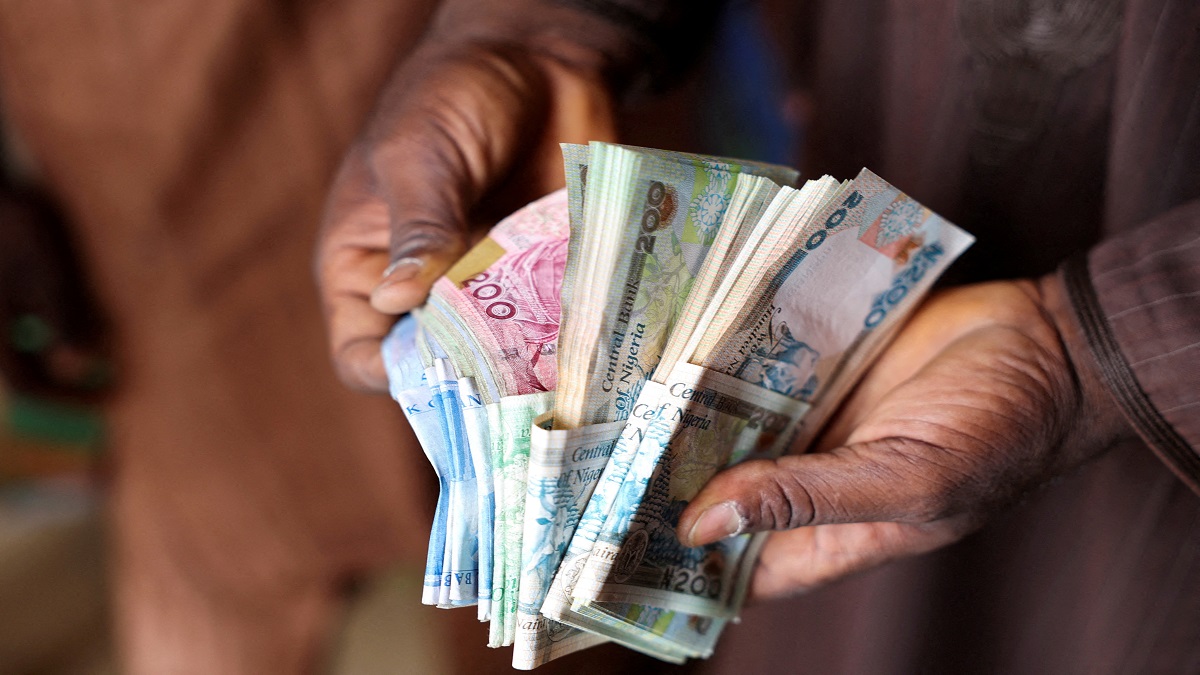
Job Rate And Poverty
NBS recorded unemployment at 4.2 percent in Q2 2023 and 4.3 percent in Q2 2024. However, about 93 percent of employment was informal in Q2 2024, highlighting the gap between the headline unemployment rate and the quality and security of jobs available.
Poverty remains another major pressure point. The World Bank’s latest assessment indicates that more than 60 percent of Nigerians were living below the national poverty line in 2025, while 69.6 percent were below the $4.20-a-day lower-middle-income poverty line.
The three-year record therefore presents two different realities.
At the macroeconomic level, Nigeria has stronger growth, slower inflation, higher reserves, increased government revenue, and significantly larger capital inflows.
At the household level, food remains expensive, purchasing power remains under pressure, informal employment dominates, and poverty remains widespread.
The reforms have changed several key economic indicators. The next test is whether those improvements can translate into what Nigerians earn, buy, save, and afford, the point at which economic reform becomes shared prosperity.

Ogochukwu Onwaeze is a writer specializing in business and economic journalism. At THEWILL News Media, she translates market trends, financial developments, and policy shifts into clear and engaging stories.