
-
Aviation Minister Festus Keyamo says subsidy removal helped the Federal Government mobilise about $500 million for Lagos airport reconstruction and other critical aviation infrastructure.
-
Keyamo says the funding was not borrowed and linked the investment capacity to improved liquidity and stronger foreign reserves.
-
Government plans also include the long-delayed second runway at Abuja airport, while Aero Contractors calls for a more deliberate aviation strategy.
October 6, (THEWILL) – The removal of the petrol subsidy helped the Federal Government increase investment in critical aviation infrastructure, with about $500 million mobilised for the reconstruction of the Lagos airport and other projects, Minister of Aviation and Aerospace Development Festus Keyamo has said.
Keyamo made the disclosure on Monday at the 67th anniversary of Aero Contractors in Lagos while highlighting investments in the aviation sector under President Bola Tinubu’s administration.
The minister said the funds for the projects were not raised through borrowing, but attributed the government’s increased capacity to fund infrastructure to improved liquidity and stronger foreign reserves following the administration’s economic reforms.

“The President raised $500m to rebuild the Lagos airport. Not money borrowed, because we were able to do what we should do. Our liquidity rose. Our foreign reserves also rose from $3bn to $56bn now. And investors are rushing into the country because they now see the country as viable”, Keyamo stated.
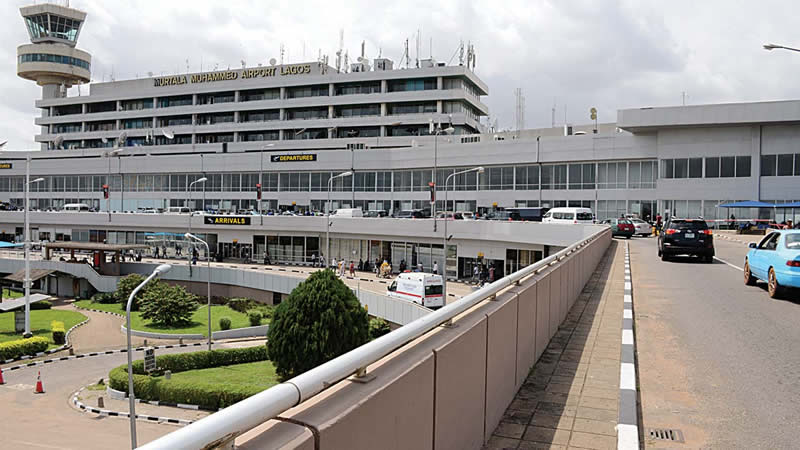
The Federal Government had previously announced a $500 million investment in the reconstruction and modernisation of the Murtala Muhammed International Airport in Lagos. Keyamo said in June that the funding was from national savings rather than borrowing.
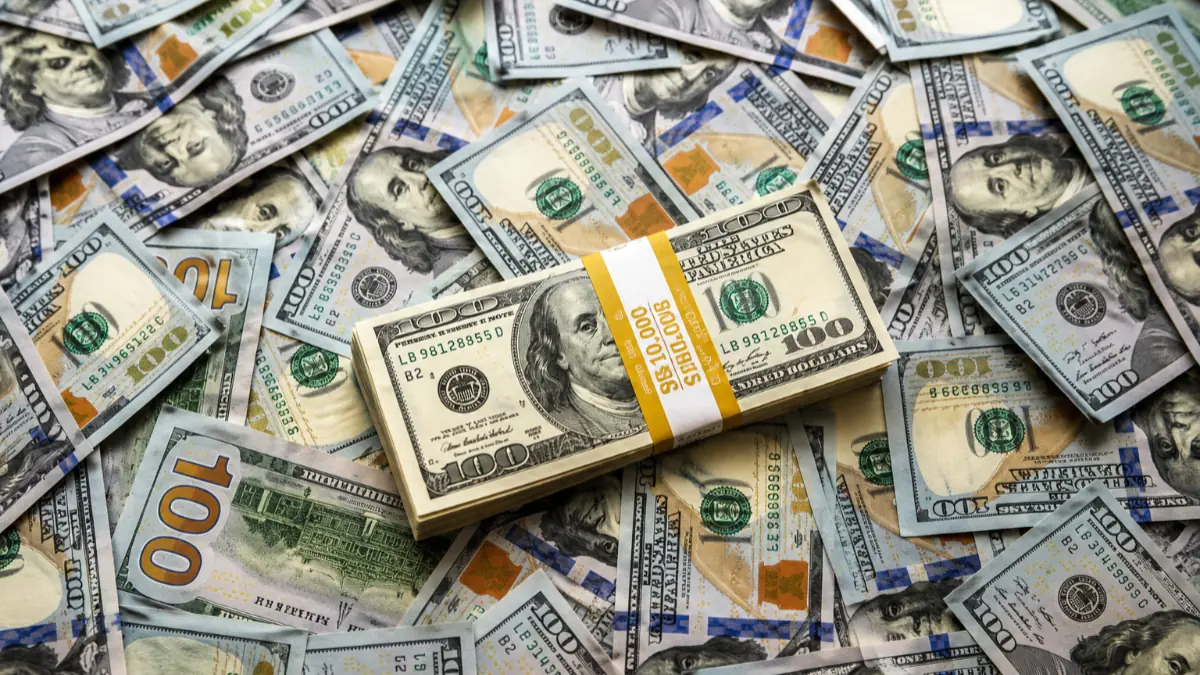
Subsidy Savings, Reserves And Investment
Keyamo’s comments come amid continuing debate over the economic consequences of the petrol subsidy removal, particularly its effect on household incomes and the cost of food, transportation and other essential goods.
The minister argued that the broader economic benefits of the reforms should also be assessed through improvements in liquidity, external reserves and the country’s ability to attract investment for infrastructure.
Nigeria’s foreign exchange reserves have indeed strengthened significantly. The Central Bank of Nigeria reported reserves of $55.25 billion in September 2026, alongside an increase in the country’s current-account surplus.
Keyamo argued that stronger external buffers and investor confidence could create the conditions required to attract capital, develop infrastructure and generate employment.
“It is when foreign investors see that you are healthy, your economy is healthy, and your foreign reserves are healthy that they will come into the country. They will build infrastructure, they will bring in money, and they will bring jobs”, he said.
He also defended the administration’s emphasis on investment as a route to job creation, arguing that employment would ultimately depend on infrastructure development and private-sector investment.
“Jobs don’t fall from heaven; jobs come as a result of either the infrastructure you are building or investments. That is how jobs are created”, Keyamo said.
READ ALSO:
Abuja Runway Project Returns
Beyond the Lagos airport reconstruction, Keyamo said the administration was moving ahead with the long-delayed second runway at the Nnamdi Azikiwe International Airport, Abuja.
He said President Tinubu had approved the return of China Civil Engineering Construction Corporation (CCECC) to the project.
“The President is not only stopping at rebuilding Lagos International Airport. Mr President has also approved that CCECC go back to build the second runway in Abuja now”, he said.
The project has faced years of delays, with funding and cost concerns contributing to the stalled construction.
Keyamo recalled that the project was previously estimated at ₦45 billion but faced resistance over the proposed expenditure.
“The National Assembly fought that project because they said that N45 billion was too much to spend on the second runway”, he added.
According to the minister, the prolonged delay has substantially increased the cost of the project, which he now puts at nearly ₦500 billion.
The project illustrates the rising cost of delayed infrastructure development, as construction expenses and other project inputs have increased significantly over the years.
Aero Contractors Seeks Stronger Aviation Focus
The comments came as Aero Contractors called for aviation to receive a more deliberate role in Nigeria’s economic development strategy.
The airline’s Managing Director, Captain Ado Sanusi, said aviation should not be viewed solely as a transportation sector, arguing that it can support tourism, trade, employment and foreign investment.
He called for the gains being pursued under the Renewed Hope Agenda in other sectors to be matched by a clear and strategic focus on aviation.
Sanusi said Nigeria’s aviation infrastructure and industry needed sustained investment to remain competitive and retain economic activity that could otherwise move to other regional markets.
For the Federal Government, the Lagos airport reconstruction and planned Abuja second runway represent major infrastructure commitments. The broader test will be whether the investment improves airport capacity and efficiency enough to support airlines, passengers, cargo operators and the wider economy.

Ogochukwu Onwaeze is a writer specializing in business and economic journalism. At THEWILL News Media, she translates market trends, financial developments, and policy shifts into clear and engaging stories.