
-
President Bola Ahmed Tinubu has directed Finance Minister Taiwo Oyedele to present ‘The Reforms Scorecard’, detailing the economic impact of administration policies since 2023.
-
Official figures show fuel subsidy removal and currency unification generated ₦15.8 trillion in additional revenue for the Federation Account between June 2023 and December 2025.
-
The government framed the scorecard not as a declaration of victory, but as an accounting of trade-offs, public costs, and systemic economic crises prevented.
-
As the 2027 electoral cycle approaches, the report marks a pivot toward translating macroeconomic gains into direct household relief.
August 19, (THEWILL) — President Bola Ahmed Tinubu has mandated the Federal Ministry of Finance to present a comprehensive public account of the administration’s economic policies, framed as ‘The Reforms Scorecard’.
In an official broadcast, President Tinubu instructed Finance Minister and Coordinating Minister of the Economy, Taiwo Oyedele, to walk Nigerians through the precise numbers, policy trade-offs, and systemic outcomes recorded since the commencement of macroeconomic reforms in May 2023.
The move marks a formal accounting effort by the administration, seeking to connect macro-level policy shifts directly to household realities, private enterprise, and federal resource distribution ahead of the political cycle.

“When we began this journey of reform in 2023, I promised that the difficult decisions we were making would serve the purpose of building an economy that works better for you and a country that is stronger for our children”, President Tinubu stated.
According to reporting by Nigeria Info FM, the President emphasised that citizens deserve full visibility into the numbers, choices made, and overall impact on families and businesses.
Revenue Mobilisation and Public Expenditure
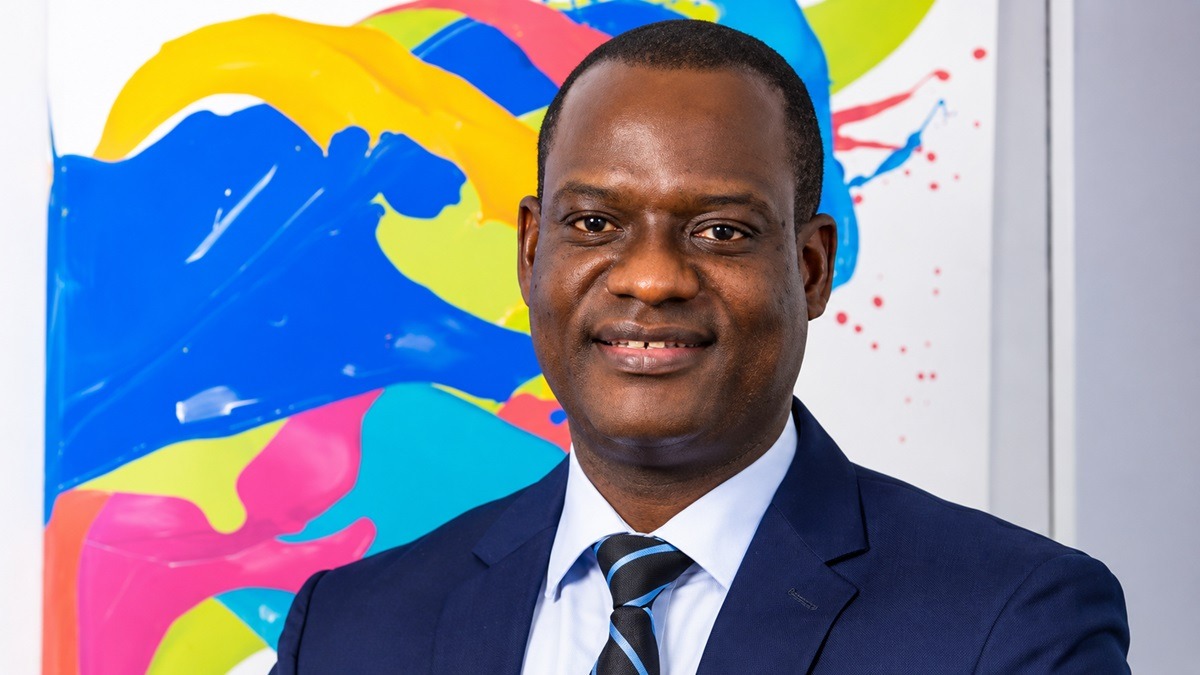
Presenting the data in Abuja, Minister Oyedele noted that the scorecard was not intended as a campaign document or victory declaration, but as an account of fiscal realities, as reported by TVC News.
The official figures showed that the removal of petrol subsidy and the unification of foreign exchange windows generated ₦15.8 trillion in incremental resources for the Federation Account between June 2023 and December 2025. Of that sum, ₦5.4 trillion accrued to the Federal Government, while ₦10.4 trillion was distributed across state and local governments.
Total Federal Government incremental resources reached ₦20.4 trillion during the 30-month period, helping fund ₦30.64 trillion in additional expenditures:
Wage Adjustments & Allowances: ₦9.39 trillion allocated toward public sector wage reviews, minimum wage increases, and allowances.
External Debt Servicing: ₦9.37 trillion spent to service foreign debt obligations following the adjustment of the naira.
Strategic Infrastructure: ₦6.50 trillion directed into capital projects across transport, energy, and national development.
Further, data published by Vanguard News indicates that monthly Federal Account Allocation Committee disbursements surged past ₦2 trillion regularly, hitting a record peak of ₦2.8 trillion in June 2026. The increase enabled 27 states that previously struggled with payroll commitments to meet their monthly salary obligations.
READ ALSO:
Group Blasts Chief Judge, Alleges Bias in Transfer of Case Challenging Tinubu’s Academic Credentials
Averted Crises and Electoral Context
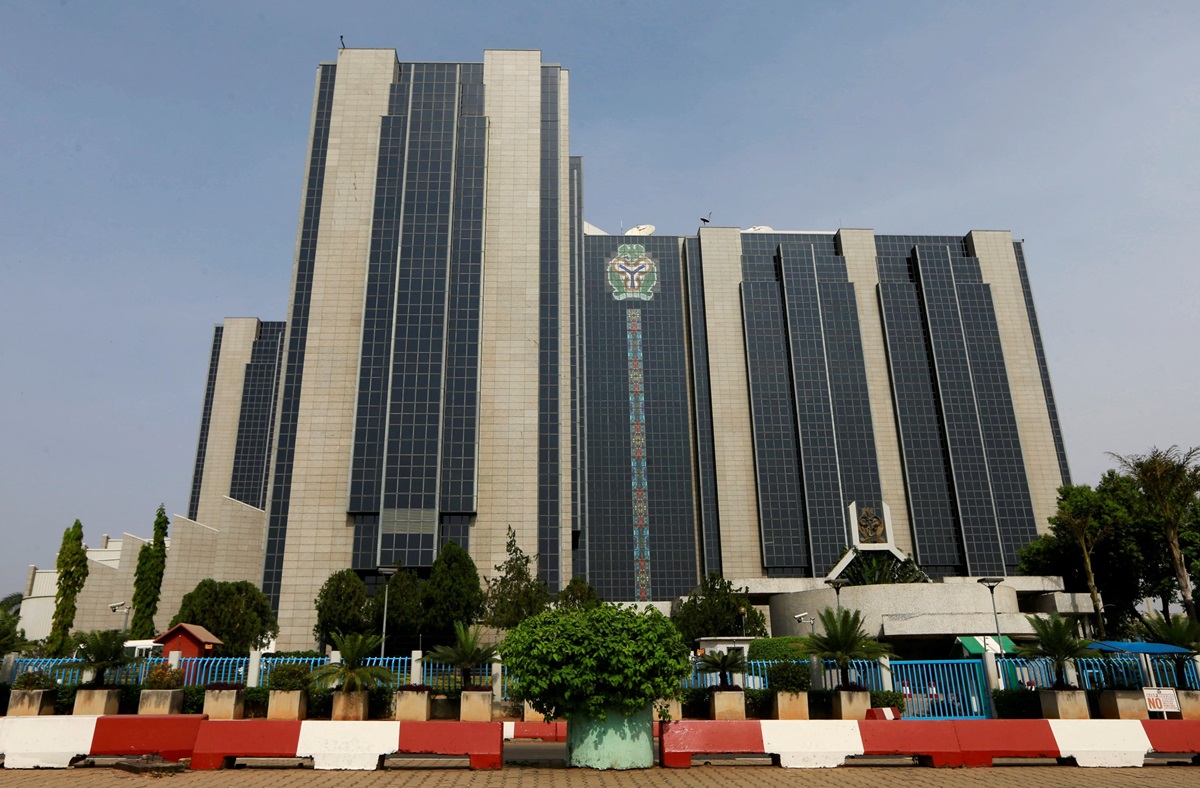
Beyond revenue generation, the scorecard presented projections of economic scenarios avoided through early policy action.
The Ministry of Finance estimated that without intervention, parallel market exchange rate premiums could have exceeded 150 percent, up to 30 states could have faced salary defaults by 2026, and fuel scarcity could have driven unofficial petrol prices past ₦3,000 per litre. More so, legacy Central Bank “Ways and Means” overdrafts of roughly ₦30 trillion were curtailed rather than doubling.
At the same time, the administration acknowledged the severe costs borne by the public. The Monetary Policy Rate rose to 26.5 percent to combat inflation, while retail petrol prices adjusted from ₦185 per litre to between ₦1,100 and ₦1,400 per litre.
For official updates on election schedules, voter registration, or civic participation ahead of upcoming electoral exercises, voters can verify details directly through the Independent National Electoral Commission (INEC) Official Portal or check registration status via the INEC Continuous Voter Registration Portal.

Joy Onuorah is a business journalist and brand communications specialist covering financial markets, artificial intelligence, digital economy, and the ideas reshaping business across Africa and the global market. Beyond her reporting for TheWill, Joy uses brand strategy, storytelling, copywriting, and high-value SEO to help brands build lasting market authority.