
-
President Bola Tinubu’s administration has announced more than $50 billion in investment commitments since May 2023, covering oil and gas, manufacturing, agriculture, infrastructure and technology.
-
NBS data shows Nigeria received about $2.06 billion in actual FDI between Q2 2023 and Q1 2026, just 4.3 percent of the $47.6 billion in total capital imported during the period.
-
Economists say investment pledges can take years to materialise as investors assess country risks, financing, regulations and economic conditions before deploying funds.
September 09, (THEWILL) — President Bola Ahmed Tinubu’s administration has announced more than $50 billion in investment commitments since taking office in May 2023, but actual Foreign Direct Investment (FDI) inflows have remained a fraction of the pledged amount.
The commitments, secured through presidential trips, diplomatic engagements and investment forums, cover sectors including oil and gas, manufacturing, agriculture, infrastructure, logistics and technology.
While the Federal Government has presented the commitments as evidence of growing investor confidence, data from the National Bureau of Statistics (NBS) shows a significant difference between announced investments and capital actually entering Nigeria as FDI.

An analysis of quarterly NBS capital importation data shows that Nigeria received approximately $2.06 billion in FDI between Q2 2023 and Q1 2026.
The figure represents about 4.3 percent of the $47.6 billion in total capital imported during the broader period, highlighting the relatively small contribution of direct investment to Nigeria’s foreign capital inflows.
FDI Remains Small Despite Large Investment Pipeline
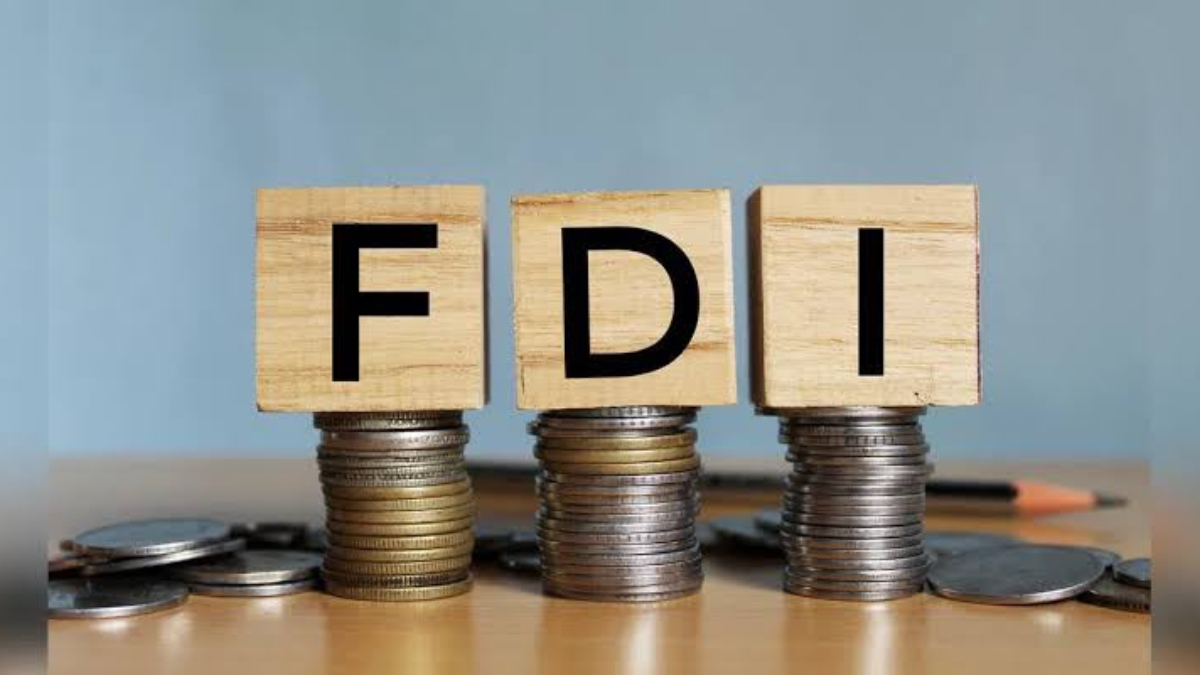
FDI stood at $86.03 million in Q2 2023, $59.77 million in Q3, and $183.97 million in Q4. In 2024, inflows were $119.18 million in Q1, $29.83 million in Q2, $103.82 million in Q3, and $421.88 million in Q4.
The trend improved in 2025, with FDI rising from $126.29 million in Q1 to $142.67 million in Q2, $296.25 million in Q3, and $357.80 million in Q4. It stood at $135.08 million in Q1 2026.
The figures do not mean that the government’s investment commitments have disappeared. Rather, they highlight the lengthy process between announcing a project and deploying capital.
READ ALSO:
Investors Still Weighing Nigeria’s Risks
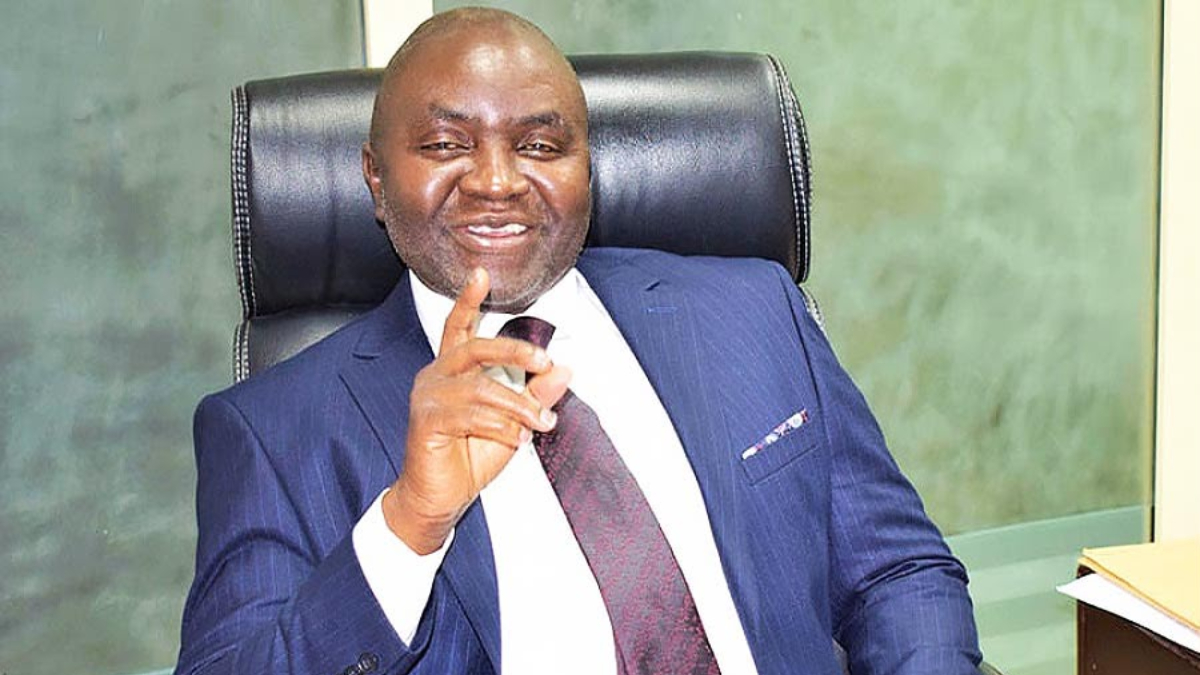
Economist and Founder of the Centre for the Promotion of Private Enterprise, Muda Yusuf, said foreign direct investors typically take longer to commit funds because they assess country risks, alternative investment opportunities and long-term economic conditions.
He said FDI differs from portfolio investment because investors commit to businesses and physical assets that cannot be easily liquidated.
Yusuf also noted that political uncertainty could encourage some investors to adopt a wait-and-see approach before making final investment decisions.
Some of the major commitments announced by the administration include ExxonMobil’s proposed $10 billion deepwater investment, APPL’s €9.2 billion Hydrogen Polis project in Akwa Ibom, Indorama’s $8 billion expansion of petrochemical and fertiliser facilities, Jindal Steel’s $3 billion steel investment, Shell’s $3 billion oil and gas investment and Arise’s $3.5 billion industrial and infrastructure commitment.
If implemented, such projects could create productive capacity, jobs, technology transfer, export earnings and stronger domestic supply chains.
However, investors ultimately need more than government-to-government engagements before committing billions of dollars.
Access to foreign exchange, infrastructure, electricity, taxation, regulation, security and the ability to repatriate profits all influence final investment decisions.
For the Tinubu administration, the more important measure may therefore be how many of the announced commitments have progressed from memoranda of understanding to final investment decisions, financial close, construction and actual capital deployment.
The $50 billion commitment figure demonstrates significant investor interest in Nigeria, but the $2.06 billion FDI figure shows that converting that interest into productive capital remains a major challenge.
Ultimately, the success of the investment drive will be measured not by the value of MOUs signed abroad, but by the factories built, oil projects developed, infrastructure delivered, jobs created, and capital actually invested in Nigeria.

Ogochukwu Onwaeze is a writer specializing in business and economic journalism. At THEWILL News Media, she translates market trends, financial developments, and policy shifts into clear and engaging stories.