
-
The 2026/27 Premier League season began with nine clubs under new managers, creating one of the most significant managerial resets in recent English top-flight history.
-
Manchester City’s Enzo Maresca has made the perfect start, while Chelsea’s Xabi Alonso has produced an entertaining but inconsistent opening to his Stamford Bridge reign.
-
Liverpool’s Andoni Iraola remains unbeaten, but six points from four matches underline the difference between avoiding defeat and producing convincing performances.
-
Gary O’Neil has already collected six points with newly promoted Ipswich, while Oliver Glasner’s Nottingham Forest have responded positively after losing their opening fixture.
September 16, (THEWILL) – Nine new managers entered the Premier League this season, but four matches are already enough to show why judging them simply by points would be misleading.
The circumstances surrounding the appointments could hardly be more different. Some managers inherited established squads expected to challenge near the top of the table. Others walked into teams undergoing major rebuilds, newly promoted clubs or sides whose previous seasons had ended in disappointment.
The transfer window has added another layer to the comparison. Several of these clubs spent heavily to reshape their squads, but spending alone does not guarantee successful recruitment. Likewise, a strong points tally does not necessarily mean a team is playing well, just as a poor start does not automatically indicate managerial failure.

That is why these nine managers are better assessed through a combination of results, performances, squad changes, expectations and the circumstances in which they took over.
Enzo Maresca – Manchester City
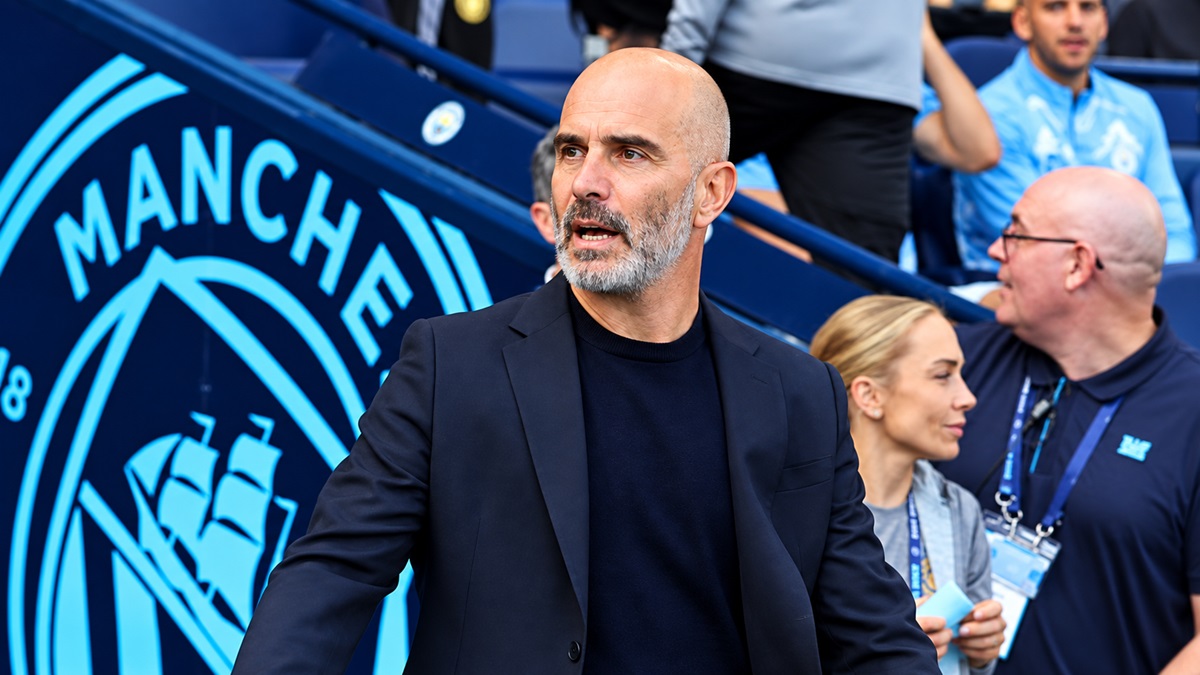 Maresca inherited perhaps the most demanding job of the nine.
Replacing Pep Guardiola at Manchester City means taking over a club that has spent years measuring success against domestic titles and deep Champions League runs.
The expectation was never going to be simply to keep City competitive. The new manager is expected to preserve their status among England’s elite while establishing his own identity.
Interestingly, Maresca has not inherited the completely settled squad that might be assumed when discussing Guardiola’s successor.
Manchester City have undergone significant player turnover, with several established figures departing while a number of new players have been brought into important roles.
That makes Maresca’s start even more significant.
City have won all four of their Premier League matches, including a 1-0 victory over Manchester United at Old Trafford despite playing with 10 men for more than an hour after Phil Foden’s red card.
Erling Haaland eventually scored the winner, while Gianluigi Donnarumma made a crucial late save to protect the advantage.
But the perfect record should not disguise the areas still requiring work.
City have not looked completely dominant in every match, and their narrow victory over Coventry demonstrated that the transition from Guardiola to Maresca will not necessarily be seamless.
Maresca has nevertheless done the most important thing possible in his opening weeks: he has kept winning while changing a squad that was already undergoing major structural change.
The bigger test will come when the new pieces have to function consistently against the Premier League’s strongest sides.
Xabi Alonso – Chelsea
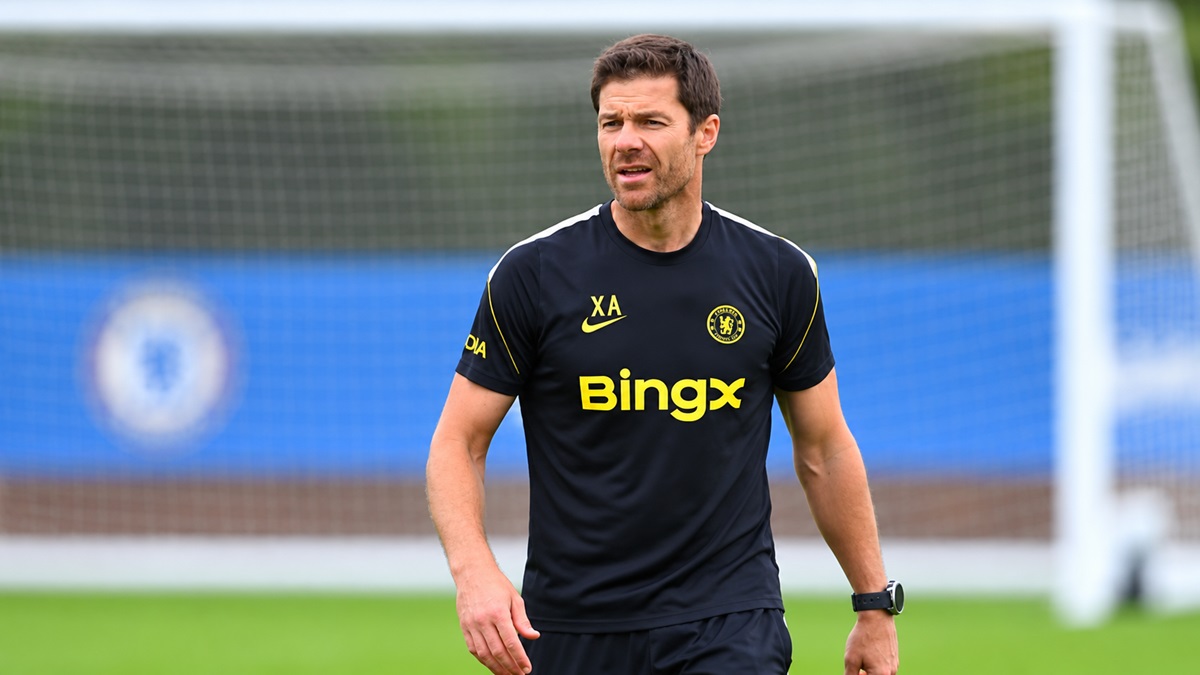 Alonso arrived at Chelsea with considerable expectations and a squad that had already undergone another major transformation.
The summer recruitment was significant, but so was the turnover. Chelsea moved on several established players while bringing in major additions of their own, meaning Alonso was not simply inheriting Maresca’s team and changing the tactics.
The early football suggests Alonso has already improved one aspect of Chelsea’s game.
They are dangerous.
Chelsea opened with a 3-2 victory over Fulham, followed it with a 4-3 win against Brighton, then lost 2-1 to Arsenal before being held 2-2 by newly promoted Hull.
Seven points from four games is not a poor return, but the manner of those results tells a more complicated story.
Chelsea have scored freely, yet their defence has repeatedly struggled to protect leads. The Hull draw was particularly revealing because Chelsea were unable to turn their superiority on paper into control on the pitch.
That leaves Alonso with a team that is already entertaining but not yet consistently controlled.
With the amount of money and talent available to him, the next stage is not simply about scoring more.
It is about making Chelsea harder to play against.
Andoni Iraola – Liverpool
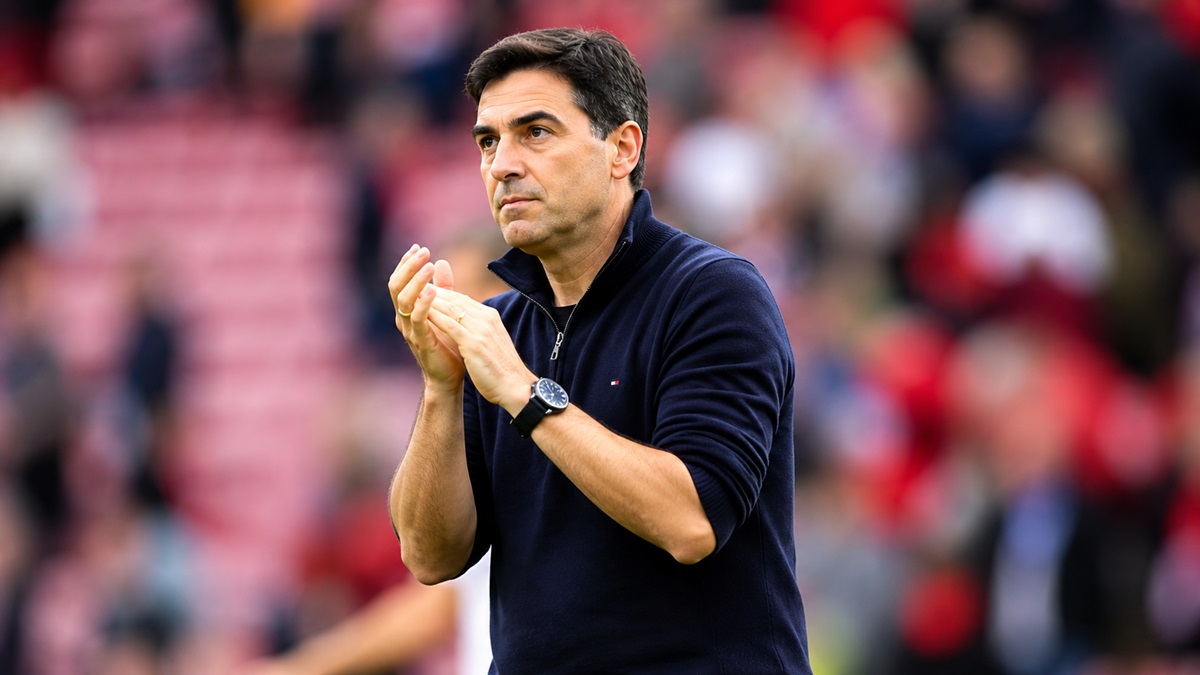 Iraola’s appointment requires more context than the simple phrase “replacing Arne Slot”.
Slot’s first season at Liverpool was highly successful, but his second ended with the club finishing fifth and the Dutchman losing his job only a year after winning the Premier League. Liverpool subsequently turned to Iraola, bringing in a coach whose Bournemouth side had established an aggressive, high-tempo identity.
Iraola is therefore trying to restore a club that has experienced a dramatic change in fortunes while simultaneously introducing his own tactical ideas.
The first four league matches have produced six points and no defeats.
Liverpool drew 2-2 with Newcastle and Nottingham Forest, beat Ipswich 2-0 and then produced a 0-0 draw against Fulham.
The unbeaten record is useful, but the performances have been inconsistent.
Against Fulham, Liverpool struggled to create enough clear opportunities and lacked the energy normally associated with Iraola’s preferred approach. The draw also highlighted how far the new manager still has to go before Liverpool consistently resemble a side capable of challenging at the highest level.
There are mitigating circumstances. Liverpool have had to balance a demanding schedule while Iraola integrates new players into a significantly altered squad.
But that cannot become a permanent explanation.
Liverpool have enough quality to demand more than simply avoiding defeat.
Iraola’s early challenge is therefore clear: turn an unbeaten start into performances that actually look like the beginning of a new Liverpool identity.
Oliver Glasner – Nottingham Forest
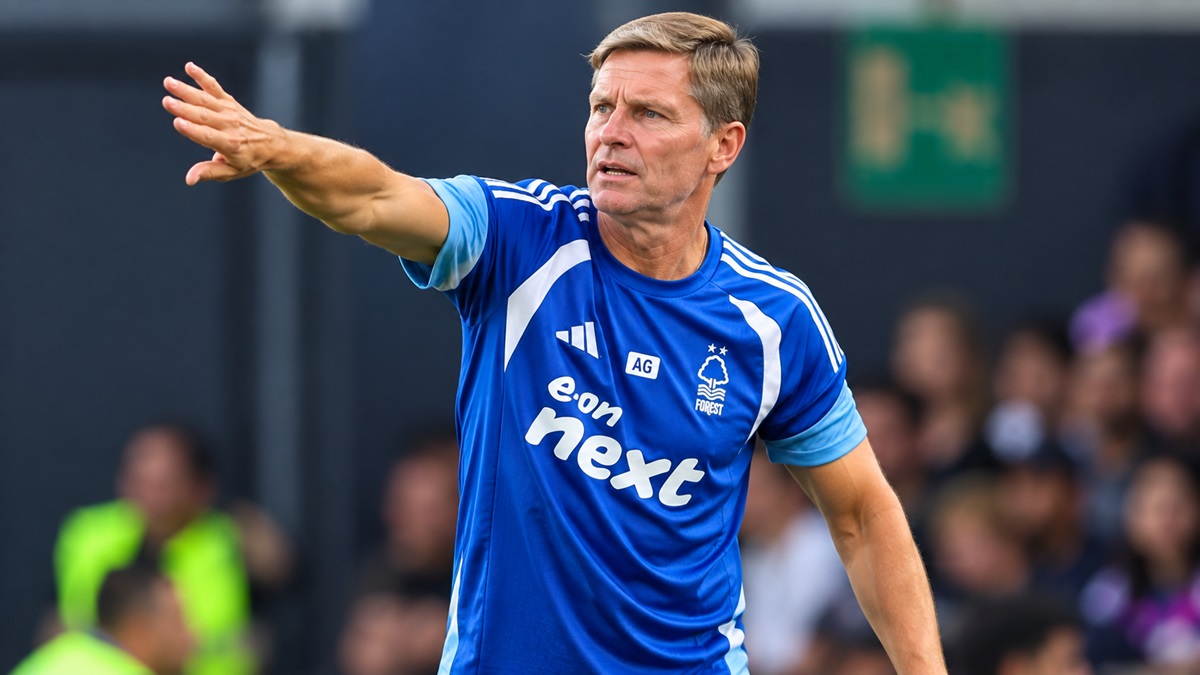 Glasner’s Forest project is one of the more complicated among the nine.
The club entered the season needing to recover from a period of instability and a substantial change in squad composition. Their summer recruitment included major additions, while Elliot Anderson’s departure for Manchester City represented another significant change to the squad.
The opening weekend offered little encouragement.
Forest lost 1-0 at home to Leeds, immediately raising questions about whether Glasner could stabilise the side quickly enough.
Since then, however, the picture has changed.
Forest drew 2-2 with Liverpool, held Tottenham 0-0 and then defeated Aston Villa 2-1 away from home. That leaves them with five points and, more importantly, an unbeaten run across their last three league matches.
The victory at Villa Park was particularly important because it demonstrated that Forest are not simply surviving against stronger opponents.
They are capable of winning difficult away games.
The opening-day defeat therefore looks increasingly like an isolated setback rather than a reliable description of Glasner’s team.
There is still plenty to fix, but Forest are beginning to look like a side responding positively to their manager.
Gary O’Neil – Ipswich Town
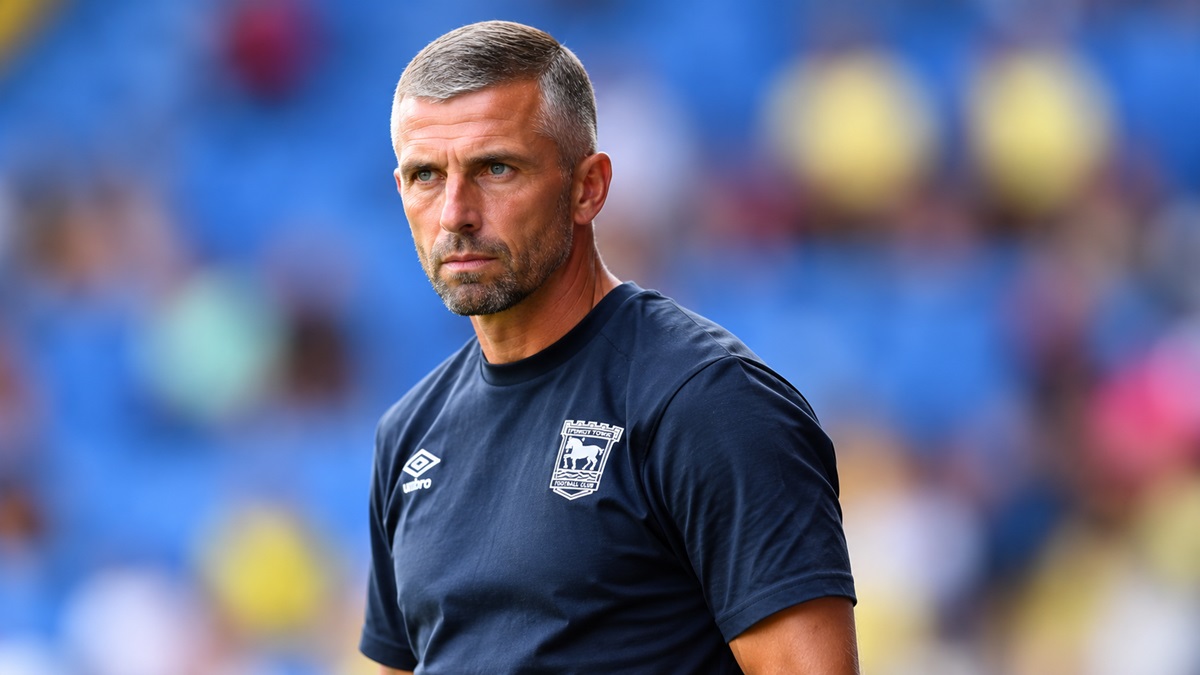 O’Neil entered the season with one of the clearest challenges.
Ipswich are newly promoted and therefore have less margin for error than established Premier League clubs. The immediate objective was to demonstrate that the team could compete rather than simply enjoy the momentum of promotion.
Four matches in, the evidence is encouraging.
Ipswich beat Sunderland 2-1, lost 5-2 to Manchester United, went down 2-0 to Liverpool and then produced a dramatic 3-2 victory at Crystal Palace.
That gives O’Neil six points.
The Palace result was especially significant because Ipswich had to withstand pressure before producing a late winner. The victory also came against a Palace side that has subsequently experienced serious defensive problems.
There are still obvious weaknesses.
Ipswich have conceded heavily in some matches, meaning O’Neil’s team cannot afford to rely on late goals and high-scoring games every week.
But that defensive weakness should not erase the bigger point.
Six points from four matches gives Ipswich a genuine foundation.
O’Neil has not made them defensively secure yet, but he has made them competitive.
Matthias Jaissle – Newcastle United
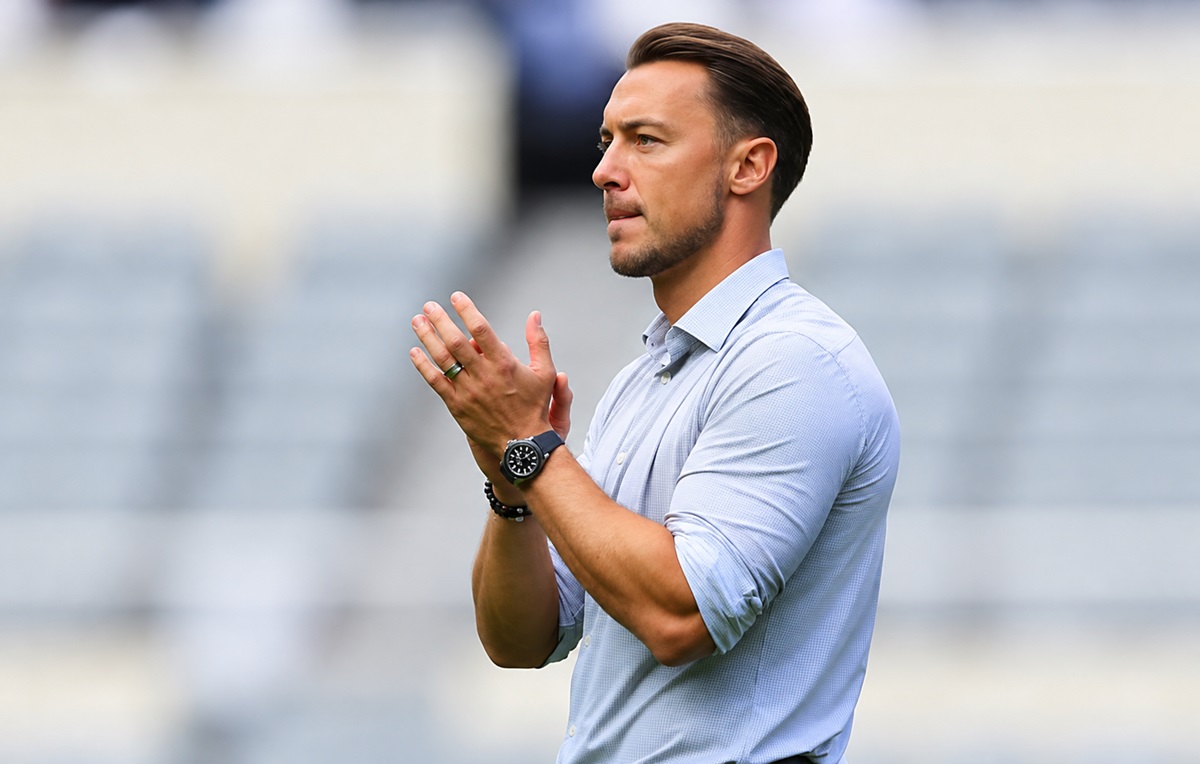 Jaissle may have walked into one of the most radically altered squads among the nine.
Newcastle’s summer was not a normal transfer window. The club sold major players while investing heavily in replacements, effectively beginning another phase of squad construction.
Jaissle therefore needs time to establish how the new pieces fit together.
His opening four league matches produced five points: a 2-2 draw with Liverpool, a 2-0 victory over Tottenham, a 2-2 draw with Bournemouth and a 4-1 defeat at Leeds.
The Tottenham result suggested there is a functioning side underneath the transition.
The Leeds match raised much more serious questions.
A 4-1 defeat against a newly promoted opponent cannot simply be explained away as part of a rebuild, particularly for a club whose ambitions extend towards European competition.
Jaissle therefore sits in an awkward position.
The rebuild is real and provides context.
But the size of Newcastle’s investment also means patience cannot become an excuse for repeatedly poor performances.
READ ALSO:
Pierre Sage – Crystal Palace
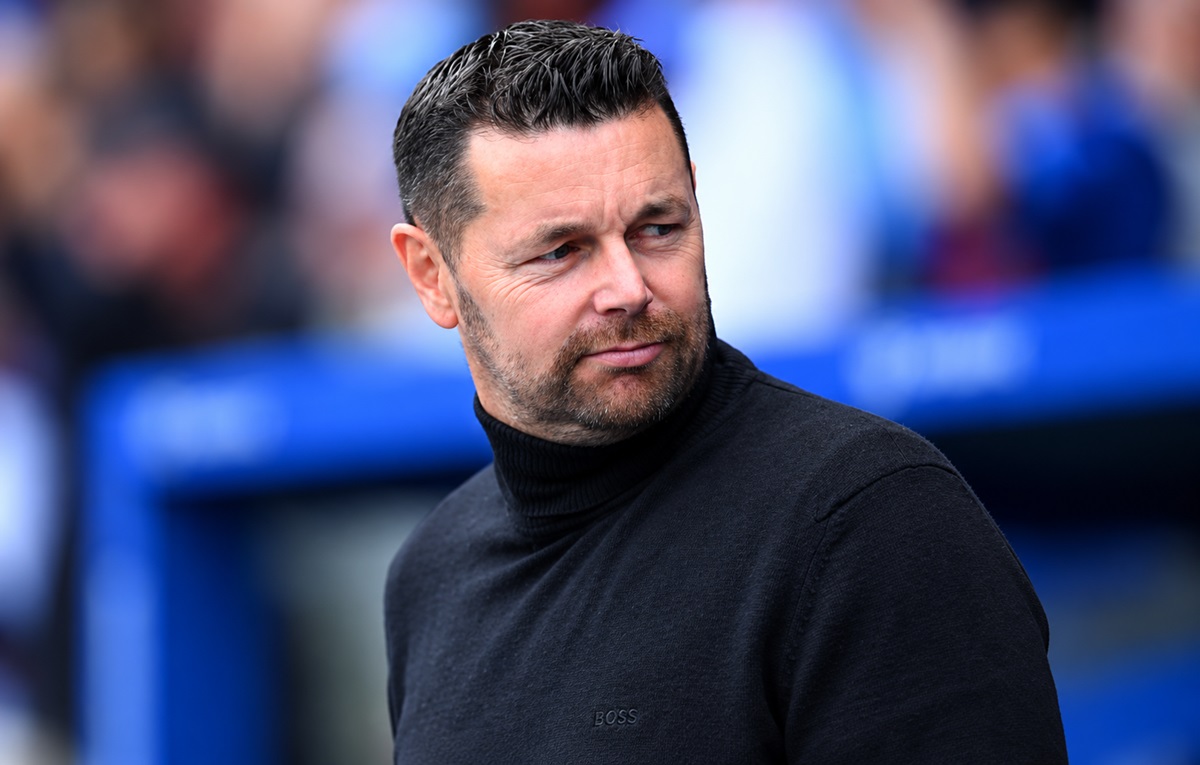 Sage inherited a very different challenge from most of the managers on this list.
He was not taking over a club desperate for a new direction after failure.
He was following a successful spell and therefore had to preserve standards while establishing his own authority.
The problem is that Palace have struggled to maintain the defensive solidity expected of them.
They have collected three points from their opening four matches and conceded 11 goals. Their latest result was a 3-2 home defeat against Ipswich, with Palace throwing away the opportunity to secure points.
That defeat was particularly revealing because Palace’s defensive problems have become a recurring feature of the opening weeks.
The squad itself has changed considerably, so Sage deserves some allowance for the adjustment period.
But Palace cannot afford to drift too far away from the defensive standards that made them competitive under their previous manager.
Sage’s biggest task is therefore not simply creating more attacking opportunities.
It is rebuilding the defensive structure quickly.
Marco Rose – Bournemouth
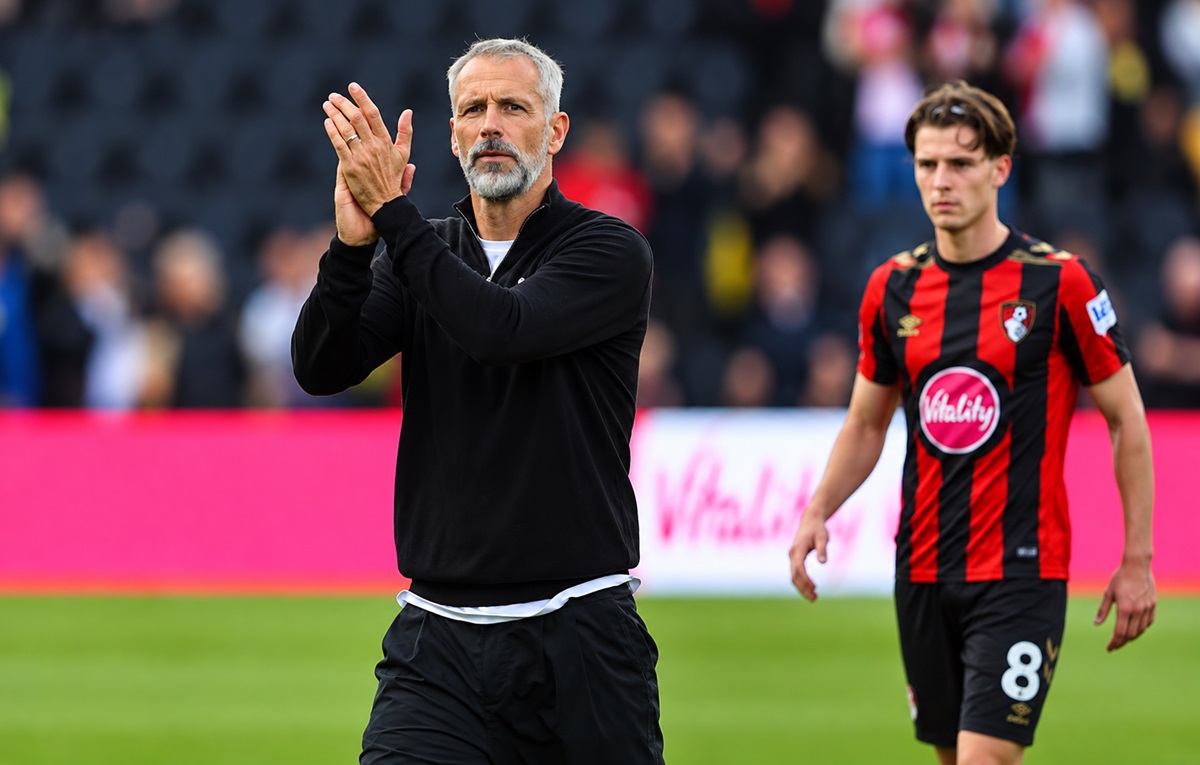 Rose has inherited one of the strongest recent Bournemouth projects among the nine.
Iraola had taken the club to sixth place and European qualification before leaving for Liverpool, meaning Rose was not arriving at a club desperate for reconstruction.
He was expected to maintain momentum.
Instead, Bournemouth are still waiting for their first league victory.
They lost 2-1 to Manchester City, drew 1-1 with Everton, drew 2-2 with Newcastle and then drew 2-2 with Brentford.
Three points from four matches is a disappointing return.
Yet the performances make the situation more complicated.
Bournemouth have repeatedly put themselves in winning positions. They led Manchester City, Everton and Newcastle before failing to turn those advantages into victories, while the Brentford draw extended their winless run.
That distinction matters.
If Bournemouth were being comprehensively outplayed every week, Rose’s start would be considerably more worrying.
Instead, the recurring problem appears to be game management.
One late collapse can be dismissed as bad luck.
Three or four begin to look like a pattern.
Rose therefore needs results quickly, but the performances suggest that the solution may be closer than the league table indicates.
Álvaro Arbeloa – Fulham
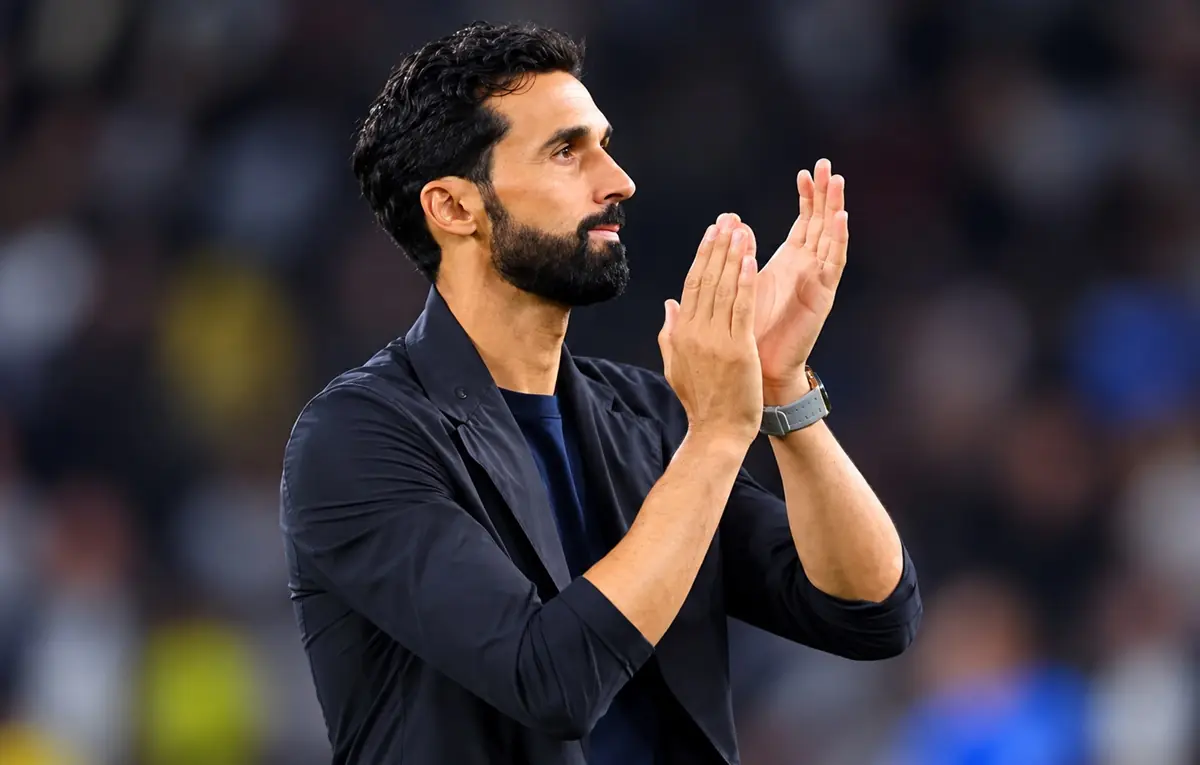 Arbeloa’s first Premier League managerial assignment was never going to be straightforward.
He replaced Marco Silva after a long and relatively stable period at Fulham and inherited a squad that needed to adapt to a new manager’s methods.
The opening results were harsh.
Fulham lost their first three league matches, including a 3-2 defeat against Chelsea, leaving Arbeloa with only one point after four games.
But the most recent performance changed the conversation slightly.
Fulham went to Anfield and held Liverpool to a 0-0 draw, frustrating a team with considerably greater resources and expectations.
Instead, Fulham defended with discipline and earned a point.
One point from four games remains a poor return.
But unlike a simple league-table assessment, the Anfield performance offers evidence that Arbeloa may already be establishing a defensive foundation.
The next step is turning that organisation into victories.
Nine managers, nine very different problems
Four matches into the season, the temptation is to arrange these managers according to the points they have collected.
That would be easy.
It would also miss much of what makes this managerial reset interesting.
Maresca has the perfect record, but he is also managing one of the Premier League’s most expensive and heavily remodelled squads. Alonso has seven points but still needs to solve Chelsea’s defensive instability.
Iraola remains unbeaten, yet Liverpool are still searching for the intensity and attacking rhythm expected of them.
Rose has no wins, but Bournemouth’s performances suggest the results may be worse than the underlying football.
O’Neil already has six points with a newly promoted Ipswich side, while Glasner has turned a difficult opening weekend into an unbeaten run.
Jaissle is trying to establish a completely different Newcastle side, Sage is dealing with a Palace defence that has conceded 11 times, and Arbeloa has at least shown at Anfield that Fulham can be difficult to break down.
The important point is that results and performance are not always telling the same story.
Neither is transfer spending a guarantee of good recruitment.
And a difficult inherited situation can explain a poor start, but it cannot excuse the same problems continuing indefinitely.
That is what makes the next few weeks more important than the opening table.

Olumide Atiba is a sports journalist with THEWILL, known for his keen news sense and compelling storytelling. He has built a reputation for turning leads into clear, well-structured reports that resonate with readers, with a strong focus on football coverage