
-
PETROAN has urged the Federal Government and NNPC to restart government-owned refineries as rising crude prices push petrol and diesel costs higher.
-
The association said maximising available refining capacity could increase domestic supply, reduce import dependence and limit pressure on consumers.
-
PETROAN also called for broader stakeholder engagement ahead of the planned resumption of oil exploration in Ogoniland.
September 18, (THEWILL) – The Petroleum Products Retail Outlets Owners Association of Nigeria (PETROAN) has urged the Federal Government and the Nigerian National Petroleum Company Limited (NNPCL) to restart idle government-owned refineries as rising petroleum prices increase pressure on households and businesses.
Joseph Obele, National Public Relations Officer of PETROAN, made the call in a statement on Thursday, arguing that increased domestic refining would strengthen supply and reduce Nigeria’s dependence on imported petroleum products.
“The immediate approach to the recent rise in petroleum prices is to restart the government-owned refineries,” Obele said.

He urged the government to maximise all available refining capacity while continuing to encourage responsible private-sector investment and competition in the downstream petroleum market.
Rising crude raises cost concerns

Obele said the latest increase in crude oil prices, amid tensions involving the United States and Iran and disruptions around the Strait of Hormuz, could further increase the cost of petroleum products in Nigeria.
He noted that Brent crude closed at about $105.83 per barrel on September 16, while West Texas Intermediate stood at about $102.43 per barrel.
According to him, petrol was selling for between N1,400 and N1,500 per litre in some locations, while diesel prices had risen above N2,000 per litre.
He warned that continued increases in petroleum-product prices would raise the operating costs of businesses and transport operators and could feed into the prices of goods and services.
“The continuous increase in the cost of petroleum products will invariably affect the prices of virtually all commodities and services. It will create additional inflationary pressure and deepen the financial hardship being experienced by Nigerians,” he said.
Obele specifically called for the Port Harcourt and Warri refineries to resume production, saying domestic refining was increasingly important as international crude and petroleum-product prices remained elevated.
He argued that the successful restart of the Port Harcourt refinery before the 2027 general elections would provide a tangible measure of the government’s performance in the petroleum sector.
“A functional Port Harcourt refinery will restore confidence, support economic activities and demonstrate that Nigeria can utilise its own petroleum resources for the benefit of its citizens,” he said.
READ ALSO:
PETROAN seeks inclusive Ogoni process
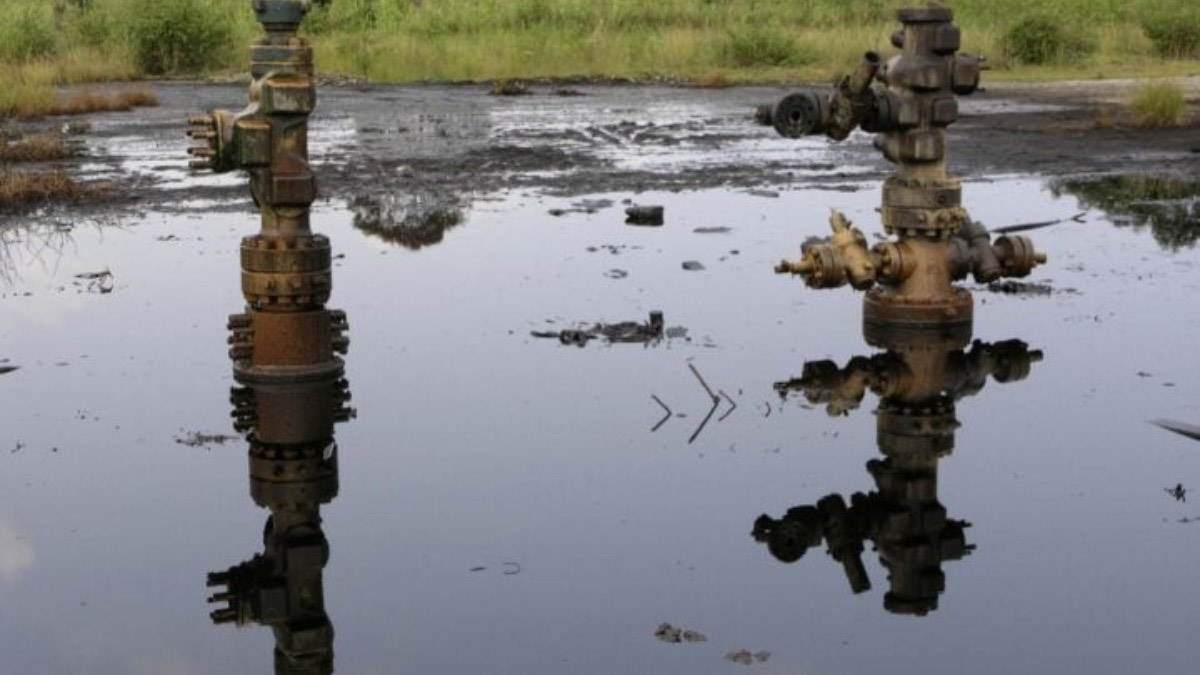
Meanwhile, Obele called on the Federal Government to adopt an inclusive approach to the planned resumption of oil exploration activities in Ogoniland.
Obele, an indigene of Eleme in Ogoni, said successful resumption of exploration would require genuine consultation, inclusiveness and attention to the concerns of host communities.
He urged the government and other stakeholders to treat the people of Ogoni as critical participants in decisions concerning oil exploration, environmental restoration, community development and the distribution of economic benefits from petroleum activities.
“All-inclusiveness and attention to the demands of the people are key to the successful resumption of oil exploration in Ogoni,” he said.
He called on the Federal Government, Rivers State Government, traditional institutions, host communities, regulatory agencies, prospective operators, civil society organisations and other stakeholders to prioritise meaningful engagement and peaceful resolution of outstanding concerns.

Ogochukwu Onwaeze is a writer specializing in business and economic journalism. At THEWILL News Media, she translates market trends, financial developments, and policy shifts into clear and engaging stories.