
-
NNPC says its petrol discount is a temporary customer-relief initiative, not a return to petroleum subsidy.
-
The discount, introduced on October 1, will continue until October 31, 2026, at NNPC Retail stations nationwide.
-
The company says the initiative does not establish a uniform national pump price or change the market-based pricing framework.
October 09, (THEWILL) – The Nigerian National Petroleum Company Limited has said its petrol discount is intended to provide temporary relief to consumers amid elevated global crude oil prices, insisting that the initiative does not represent a restoration of petroleum subsidy.
The company said the measure was introduced to ease the pressure of rising fuel prices on households and businesses following the impact of the Middle East conflict on international crude oil markets and domestic petrol prices.
In a statement issued on Friday, October 9, NNPC’s Chief Corporate Communications Officer, Andy Odeh, said the company remained committed to supporting the Federal Government’s efforts to cushion the economic impact of higher fuel costs.

Discount To Run Until October 31
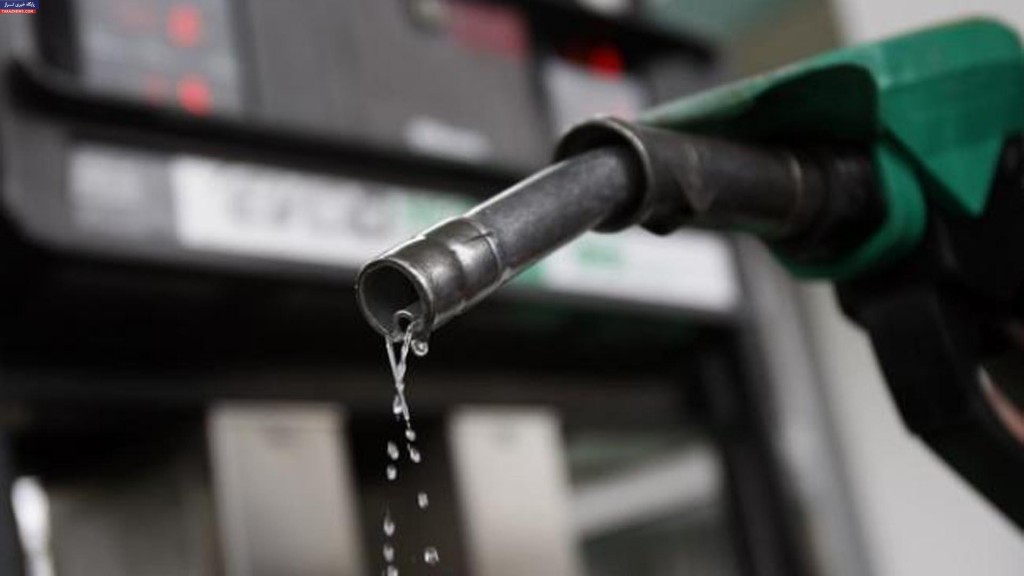
According to NNPC, the discount was initially introduced on October 1, 2026, to commemorate Nigeria’s 66th Independence Anniversary.
The company said the initiative would continue until October 31 across its retail stations nationwide, following the statement by the Minister of Finance and Coordinating Minister of the Economy, Taiwo Oyedele, on October 8.
NNPC explained that the discount was designed to provide direct relief to customers during a period of heightened global market uncertainty.
It acknowledged that higher petrol prices affect daily commuting, business operating expenses and household budgets, adding that the initiative was intended to ease some of the pressure on Nigerians.
The company, however, stressed that the arrangement applied specifically to NNPC Retail outlets and should not be interpreted as a nationwide price intervention.
READ ALSO:
Market-Based Pricing Remains In Place
NNPC said the discount did not establish a uniform national pump price or alter the market-based pricing framework governing petroleum products.
It urged Nigerians to disregard interpretations suggesting that the initiative amounted to a return to the petroleum subsidy regime.
The company’s position is that the temporary customer discount is distinct from a government-backed subsidy, maintaining that the initiative forms part of its efforts to support consumers while operating responsibly.
The clarification comes as the Federal Government pursues measures to provide relief from rising fuel costs without reversing the market-based approach to petroleum pricing.
NNPC Pledges Reliable Supply
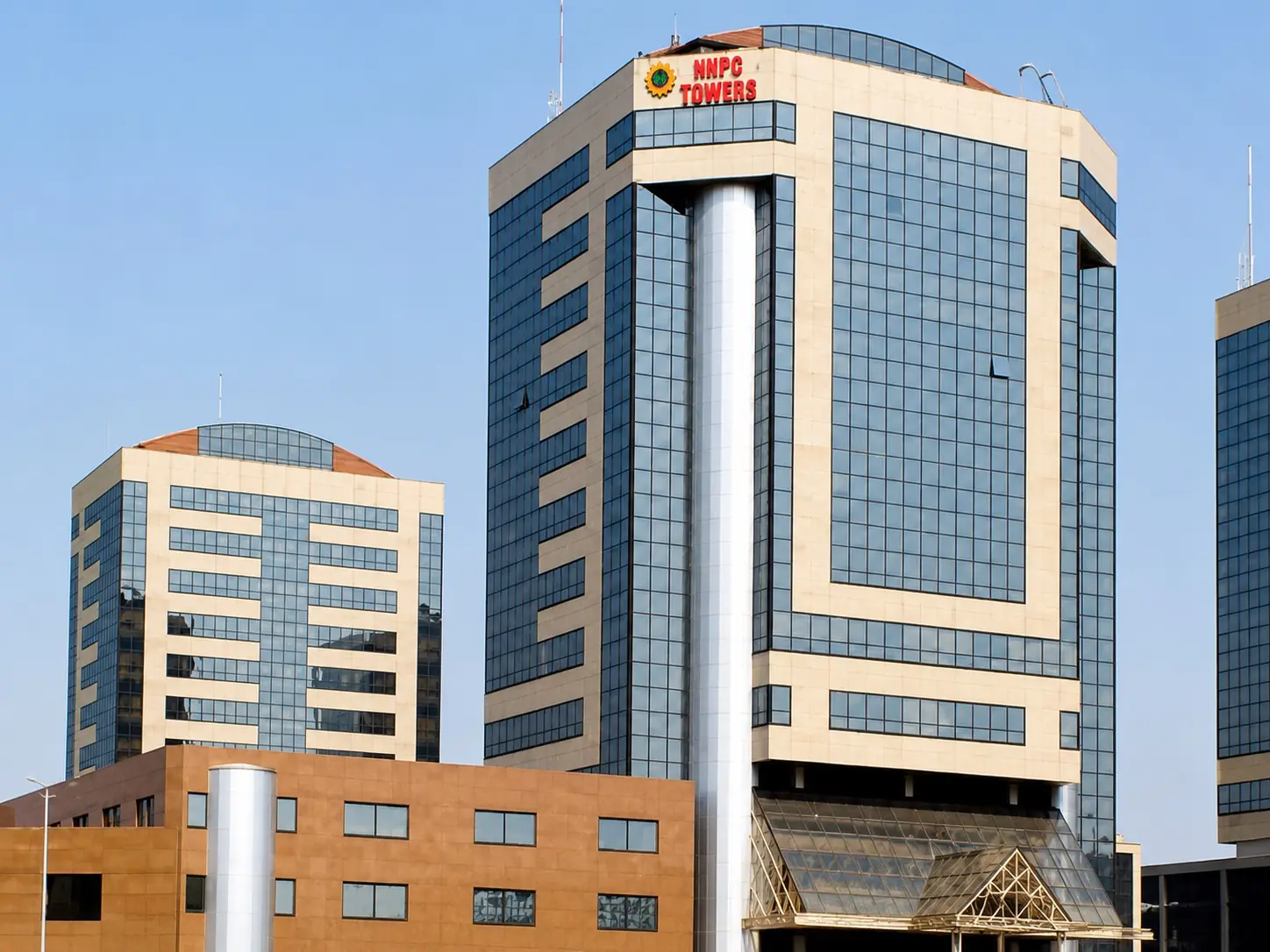
The national oil company said it would continue collaborating with the government and other stakeholders to help ease the burden of higher fuel prices on households, businesses and the wider economy.
Odeh said the company remained committed to reliable product supply and responsible customer service, adding that it would continue communicating the scope and duration of its customer initiatives.
NNPC also said clear information about its products, prices and relief measures was necessary to help Nigerians make informed purchasing decisions.
The company expressed appreciation for the continued patronage and support of Nigerians, reiterating that its priority was to provide practical assistance while maintaining commercially responsible operations.
With the discount scheduled to run until October 31, the initiative remains a time-bound relief measure at NNPC Retail stations rather than a change to the country’s broader petrol-pricing framework.

Ogochukwu Onwaeze is a writer specializing in business and economic journalism. At THEWILL News Media, she translates market trends, financial developments, and policy shifts into clear and engaging stories.