
-
Brent crude fell to $101.71 a barrel while WTI slipped below $100 as investors priced in renewed hopes of US-Iran diplomacy.
-
Rising Saudi oil shipments are easing fears of a prolonged supply shock despite continuing attacks on the kingdom’s energy infrastructure.
-
Middle East supply risks remain high, with alternative export routes and ship-to-ship transfers helping keep crude flowing through the Strait of Hormuz.
September 21, (THEWILL) – Global oil prices fell sharply on Monday as hopes of diplomatic progress between the United States and Iran reduced some of the geopolitical risk premium built into crude prices, while recovering Saudi exports eased immediate concerns about a major supply disruption.
Brent crude futures fell $2.16, or 2.08 percent, to $101.71 a barrel by 0213 GMT, after touching their lowest level since September 10. US West Texas Intermediate crude declined $2.15, or 2.14 percent, to $98.15 a barrel.
Both benchmarks had also fallen in the previous session, extending a retreat from last week’s four-month highs. Reuters reported that investors are increasingly watching this week’s United Nations General Assembly for signs of a diplomatic opening between Washington and Tehran.

Diplomacy Takes Some Heat Out Of Prices

The prospect of renewed negotiations is removing part of the premium traders had attached to the risk of a wider Middle East conflict disrupting global energy supplies.
US President Donald Trump has indicated he would be open to meeting Iranian President Masoud Pezeshkian in New York during the UN General Assembly. Iran has also conveyed conditions through mediators for re-engaging in negotiations aimed at ending the conflict, according to Reuters.
Tim Waterer, Chief Market Analyst at KCM Trade, said some of the risk premium was being removed from oil prices on expectations that a diplomatic path towards de-escalation could emerge.
However, the decline does not mean supply risks have disappeared.
READ ALSO:
Saudi Exports Provide Another Bearish Signal
A second factor weighing on prices is evidence that Saudi Arabia is managing to restore part of its disrupted crude exports.
Saudi Arabia’s East-West pipeline was damaged in attacks, forcing the kingdom to reroute more crude through the Strait of Hormuz and alternative shipping arrangements. Yet Kpler data showed Saudi exports had recovered to more than 4 million barrels per day in September, compared with about 2.4 million bpd in August.
JPMorgan analysts also estimated that Saudi crude moving through the Strait of Hormuz averaged 2.9 million bpd over six days, up substantially from about 700,000 bpd in August.
Reuters separately reported that ship-to-ship transfers off Oman have become an increasingly important mechanism for keeping Gulf crude moving despite disruptions to conventional export routes. Exports through the Strait of Hormuz reached about 6.5 million bpd in September, according to Kpler data cited by Reuters.
Supply Risks Have Not Disappeared
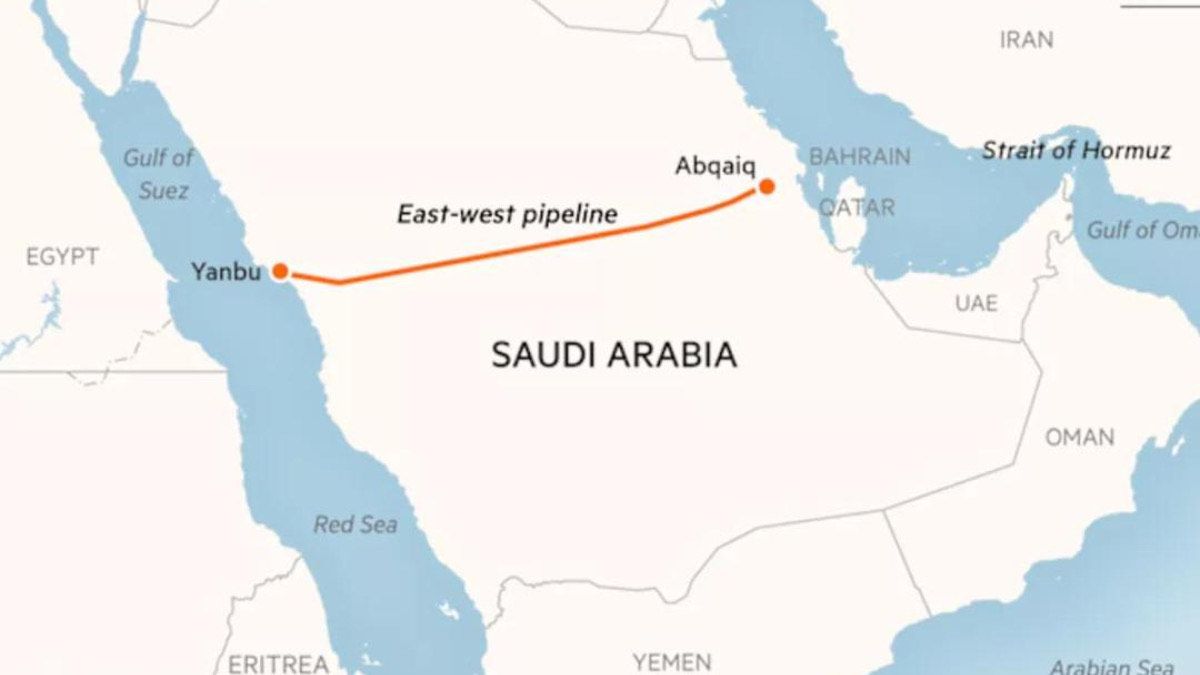
The market remains vulnerable to renewed price spikes if attacks intensify or diplomatic efforts fail.
Yemen’s Iran-backed Houthi forces have continued attacks on Saudi targets, including energy infrastructure, while the security of the Red Sea and Strait of Hormuz remains a major concern for oil traders.
For now, however, the combination of resilient Gulf oil flows and hopes of a diplomatic breakthrough is outweighing those risks.
The latest decline also puts WTI below the psychologically important $100 threshold, highlighting how quickly crude prices can respond to changing expectations about the conflict.
For oil-producing countries such as Nigeria, the movement is important because sustained changes in international crude prices can affect export earnings and government oil revenues. But at current levels, Brent remains substantially above Nigeria’s 2026 budget benchmark of $64.85 per barrel.

Ogochukwu Onwaeze is a writer specializing in business and economic journalism. At THEWILL News Media, she translates market trends, financial developments, and policy shifts into clear and engaging stories.