
-
Nigeria’s headline inflation eased to 14.06 percent in October 2026 from 14.63 percent in September and 18.97 percent in October 2025.
-
Month-on-month inflation accelerated to 0.43 percent from 0.06 percent, indicating a faster increase in average prices during the month.
-
Food inflation remained high at 19.13 percent, while core inflation declined to 10.78 percent.
November 16, (THEWILL) – Nigeria’s headline inflation rate declined to 14.06 percent in October 2026 from 14.63 percent in September, extending the slowdown in annual price increases despite a faster rise in prices during the month.
The National Bureau of Statistics disclosed this in its October 2026 Consumer Price Index report, which showed that the headline inflation rate was also lower than the 18.97 percent recorded in October 2025.
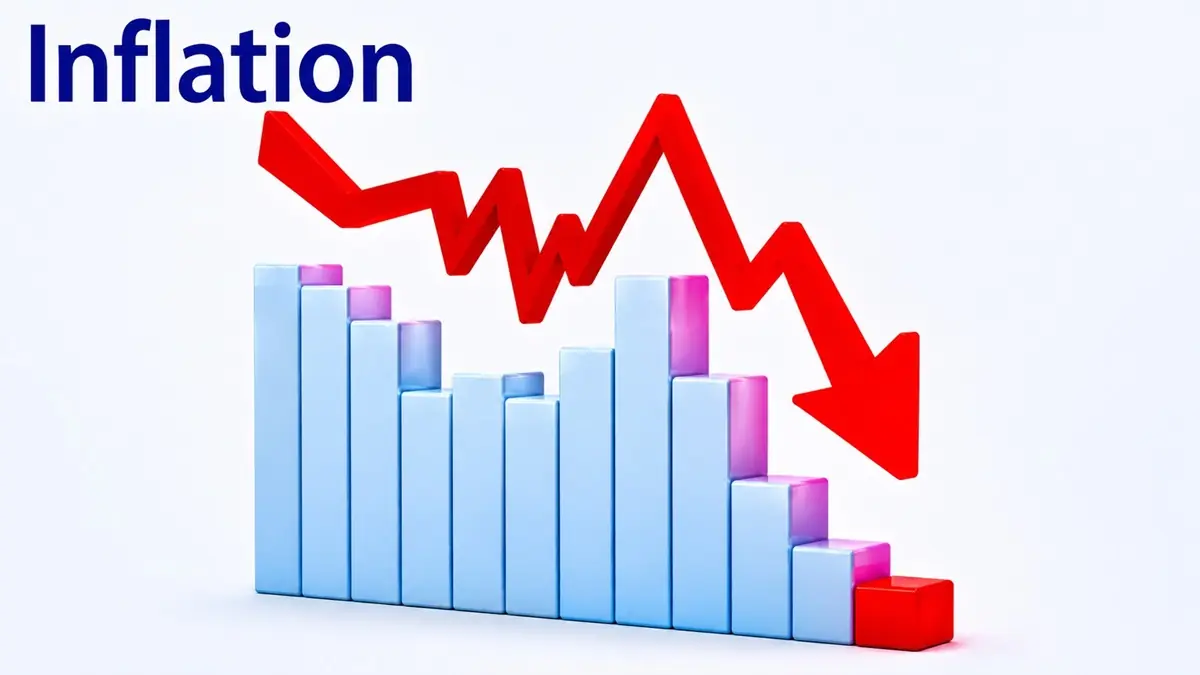
However, the month-on-month inflation rate increased to 0.43 percent in October from 0.06 percent in September, indicating that the average price level rose at a faster pace during the review period.
The October report was compiled using the rebased Consumer Price Index, which has 2024 as its price reference year and 2023 as its expenditure weight reference period.
The CPI increased to 147.0 points in October from 146.4 points in September, representing a 0.6-point rise.
Food Inflation Remains Elevated
Food inflation remained a major contributor to Nigeria’s price pressures, standing at 19.13 percent on a year-on-year basis in October.

The rate was higher than the 16.30 percent recorded in October 2025, indicating that food prices continued to exert pressure on household budgets despite the moderation in headline inflation.
On a month-on-month basis, however, food inflation stood at -0.75 percent, compared with -1.55 percent in September.
This means food prices declined on average during October, but at a slower pace than in the preceding month.
The NBS attributed the movement to price changes in items including vegetable oil, sardines, green peas, frozen mackerel, croaker, local rice, fresh catfish, beef tripe, palm oil and millet flour.
Food and non-alcoholic beverages remained the largest contributor to headline inflation at 5.63 percent at the divisional level. Restaurants and accommodation services followed with 1.82 percent, while transport contributed 1.50 percent.
Housing, water, electricity, gas and other fuels accounted for 1.18 percent, while education services contributed 0.87 percent.
READ ALSO:
Core Inflation Drops To 10.78 Percent
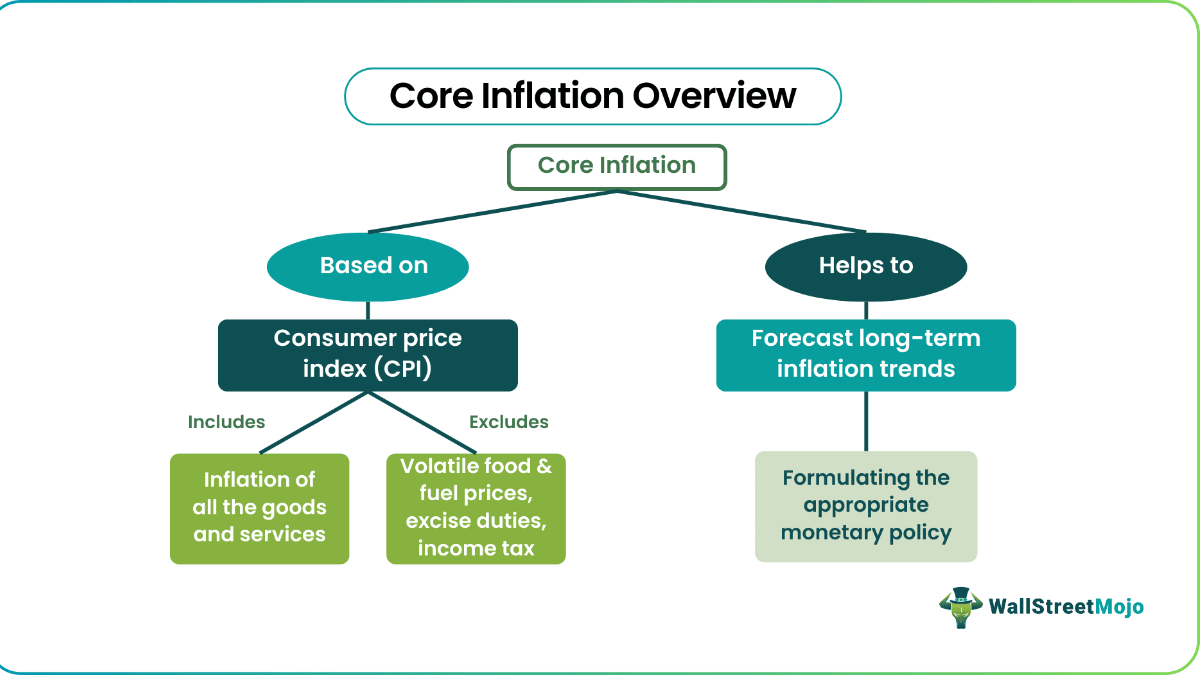
Core inflation, which excludes volatile agricultural produce and energy prices, declined to 10.78 percent year-on-year in October from 21.25 percent in the corresponding month of 2025.
On a month-on-month basis, the core inflation rate was -0.53 percent, compared with 1.11 percent in September.
The twelve-month average core inflation rate stood at 15.67 percent, down from 25.07 percent in October 2025.
The decline suggests that price pressures outside volatile food and energy components moderated considerably over the period.
The urban inflation rate stood at 14.84 percent year-on-year in October, while rural inflation was 12.17 percent.
On a month-on-month basis, urban inflation was 0.43 percent, down from 0.53 percent in September. Rural inflation, however, increased to 0.18 percent from -0.89 percent.
Inflation Pressures Vary Across States
The state-level figures showed considerable differences in price movements across the country.
Imo recorded the highest year-on-year all-items inflation at 28.66 percent, followed by Enugu at 22.81 percent and Kaduna at 21.55 percent.
Taraba recorded the lowest rate at 6.12 percent, followed by Sokoto at 6.68 percent and Ekiti at 7.64 percent.
On a month-on-month basis, Bauchi recorded the highest inflation rate at 11.23 percent, followed by Borno at 10.94 percent and Yobe at 9.93 percent. Oyo, Osun and Akwa Ibom recorded declines of 6.71 percent, 4.78 percent and 4.41 percent, respectively.
Food inflation was highest in Ondo at 31.74 percent, followed by Lagos at 31.43 percent and Imo at 29.75 percent.
Nasarawa recorded the lowest year-on-year food inflation at 3.70 percent, followed by Bayelsa at 7.11 percent and Kano at 7.13 percent.
The NBS cautioned that differences in state consumption patterns and CPI weights mean that direct comparisons of inflation rates across states should be interpreted carefully.
The report also showed that the twelve-month average headline inflation rate stood at 15.40 percent in October 2026, compared with 26.05 percent in October 2025.

Ogochukwu Onwaeze is a writer specializing in business and economic journalism. At THEWILL News Media, she translates market trends, financial developments, and policy shifts into clear and engaging stories.