
-
President Bola Tinubu has introduced a five-year strategic defence operations plan to intensify the fight against terrorism, banditry, kidnapping and other forms of criminality across Nigeria.
-
The APC Presidential Campaign Council says military operations under the administration have eliminated more than 15,000 Boko Haram terrorists and bandits in three years, while over 130,000 fighters and their dependants have surrendered.
-
Tinubu has approved the recruitment of 28,000 additional soldiers and 50,000 police officers, alongside the establishment of four new Army divisions and two additional military training depots.
-
The Federal Government is expanding military training capacity and infrastructure, including a 700-unit barracks project in Ikere-Ekiti, to address manpower, accommodation and operational deficits.
November 16, (THEWILL) – President Bola Tinubu has unveiled a five-year strategic defence operations plan to intensify Nigeria’s war against terrorists, bandits, kidnappers and other criminal groups threatening national security.
The All Progressives Congress Presidential Campaign Council (APC-PCC) disclosed this on Sunday in Abuja, describing the initiative as a major component of the administration’s efforts to establish a coordinated, intelligence-led and technology-enabled security architecture.
The council’s spokesperson, Dele Alake, who is also the Minister of Solid Minerals Development, said the strategy would provide a long-term framework for aligning defence priorities, operational requirements, capability development and expenditure with the country’s security challenges.
According to Alake, the plan would ensure that investments in the security sector were guided by identified threats, operational requirements and national priorities. He said the initiative was expected to strengthen combat readiness, address existing capability gaps, optimise resources and minimise unnecessary expenditure.
The minister added that the framework would improve military effectiveness and promote a coordinated response to emerging security threats. He described the initiative as part of Tinubu’s determination to end what he called the 17-year scourge of insecurity in the country.
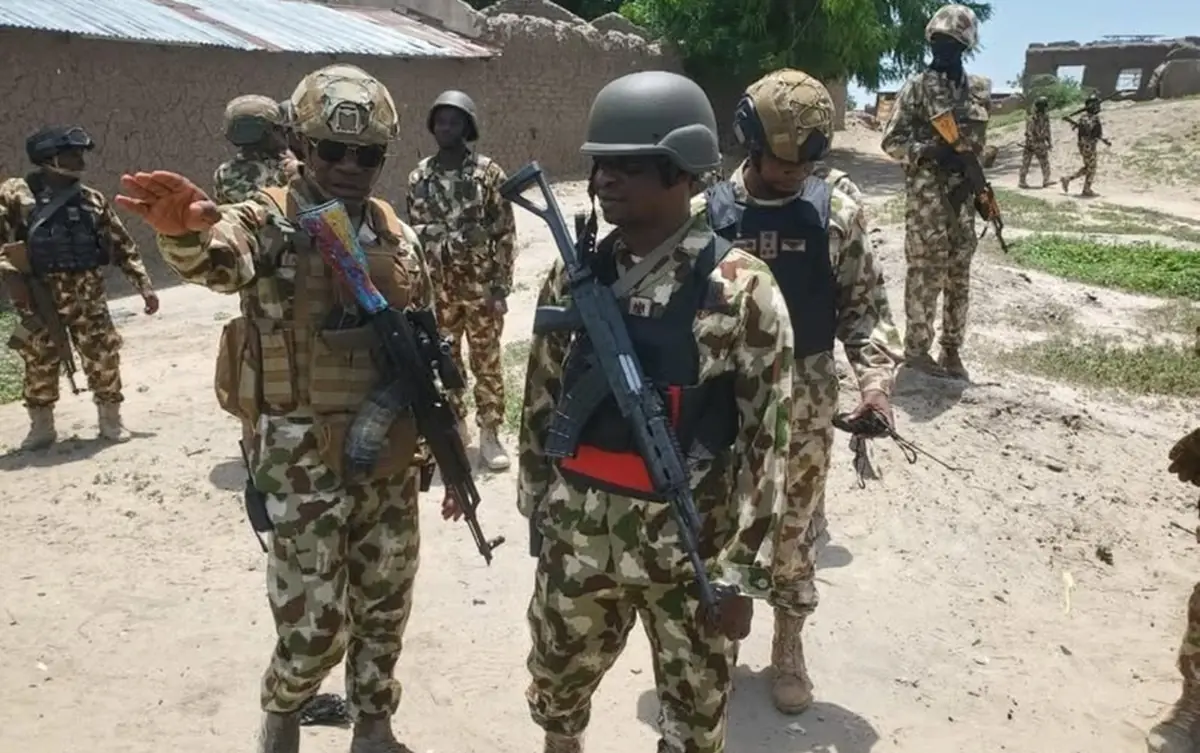
Military Operations Record Over 15,000 Terrorist Casualties
Providing an account of the administration’s security operations, Alake claimed that military offensives under Tinubu had eliminated more than 15,000 Boko Haram terrorists and bandits within three years.

He further disclosed that more than 130,000 Boko Haram fighters and their dependants had surrendered through Operation Safe Corridor and the Federal Government’s rehabilitation programme.
Alake said the figures reflected the administration’s two-pronged approach to tackling insecurity through sustained military operations and non-kinetic interventions.
Operation Safe Corridor is the Federal Government’s deradicalisation, rehabilitation and reintegration programme for former insurgents who voluntarily surrender and qualify for the process.
The minister said the combination of military offensives and non-kinetic measures formed part of the government’s broader strategy to weaken armed groups and address the security challenges confronting the country.
READ ALSO:
 Tinubu Establishes Four Army Divisions, Approves 78,000 Recruits
As part of efforts to expand the military’s operational capacity, Alake said Tinubu had established four new Army divisions and restructured existing military formations.
He explained that the reforms were designed to expand operational coverage, decentralise military operations and enable security formations to respond more rapidly to emerging threats
The President had also approved the establishment of two additional Army depots in Osogbo, Osun State, and Amasiri-Edda, Ebonyi State, to expand the military’s training capacity.
According to Alake, each facility can accommodate 6,000 recruits, bringing their combined capacity to 12,000 soldiers. He disclosed that 5,210 recruits were already undergoing training at the Osogbo facility.
The expansion, he said, would reduce recruitment turnaround time and increase the number of soldiers available for deployment to areas facing security challenges.
Alake further disclosed that Tinubu had approved the recruitment of 28,000 additional soldiers to strengthen the Army’s manpower, military presence and operational effectiveness.
Similarly, the President had approved the recruitment of 50,000 additional police officers to reinforce internal security and improve policing capacity nationwide.
The combined recruitment approvals amount to 78,000 additional personnel for the military and police.
Government Moves To Address Military Infrastructure Deficits
Beyond investments in equipment, technology, training and personnel, Alake said the Tinubu administration was also addressing accommodation and infrastructure deficits affecting the military.
He cited the 700-unit military barracks project in Ikere-Ekiti, Ekiti State, as an example of the government’s efforts to improve personnel welfare and strengthen operational effectiveness.
According to him, the facility would provide accommodation and operational support while strengthening the military’s presence in the area.
Alake said the various initiatives demonstrated the administration’s commitment to addressing manpower, training and infrastructure gaps within the security sector. He added that the objective was to ensure that security personnel were adequately trained, properly equipped and strategically deployed to areas experiencing security challenges.
Background
Nigeria has continued to grapple with multiple security threats, including the Boko Haram insurgency and activities of the Islamic State West Africa Province (ISWAP) in the North-East, armed banditry and mass kidnappings in the North-West, and attacks by armed groups in parts of the North-Central region.
The Boko Haram insurgency, which began in 2009, has claimed thousands of lives, displaced millions of people and destroyed communities, particularly in Borno, Yobe and Adamawa states.
The security situation has been further compounded by kidnapping for ransom, attacks on rural communities and other forms of organised criminality across different parts of the country.
Successive administrations have deployed military operations, established special security formations and introduced rehabilitation programmes in attempts to contain the threats.
The five-year strategic defence operations plan is intended to provide a long-term framework for coordinating military priorities, strengthening operational capabilities and directing security investments towards the country’s identified threats.
The administration’s latest measures include expanding military formations, increasing recruitment, improving training facilities and addressing infrastructure and personnel welfare deficits.
Alake said the ultimate objective was to ensure that security agencies possessed the manpower, equipment, training and operational support required to confront Nigeria’s security challenges.

Felix Ifijeh is a journalist with years of professional reporting experience. Known for his keen news sense, compelling storytelling and commitment to accurate, impactful reporting, he has built a reputation for turning leads into clear, engaging, and well-structured reports that resonate with readers. His work reflects deep newsroom experience and a commitment to accurate, impactful journalism.