
-
Headline inflation eased to 14.63 percent in September 2026, but food inflation remained at 19.59 percent, keeping pressure on household budgets.
-
Petrol prices of about ₦1,400 per litre in Lagos and Abuja continue to raise commuting and business costs, while weak income growth limits purchasing power.
-
High out-of-pocket healthcare spending and inadequate productive employment leave millions of households vulnerable to financial shocks despite improving economic indicators.
October 20, (THEWILL) – Nigeria’s inflation rate has continued to decline, but the improvement has yet to translate into widespread financial relief as households contend with elevated food prices, expensive transportation, weak purchasing power and the cost of essential services.
The National Bureau of Statistics reported that headline inflation fell to 14.63 percent in September 2026 from 15.39 percent in August. However, food inflation remained at 19.59 percent year-on-year, slightly above the 19.57 percent recorded in August.
The figures illustrate the difference between improving economic indicators and the financial realities facing households.

Although prices are generally rising more slowly than before, many families continue to spend a substantial proportion of their earnings on necessities.
The World Bank’s October 2026 Nigeria Development Update reported that the economy grew by 4.2 percent in the first half of the year, up from 3.9 percent in the corresponding period of 2025. Yet the bank stressed that growth remained insufficient to generate enough productive jobs and significantly reduce poverty.
Against this backdrop, five economic problems continue to weigh on Nigerians despite the slowdown in inflation.

-
Falling inflation has not reversed previous goods price increases
One of the most important distinctions in assessing Nigeria’s cost-of-living situation is the difference between falling inflation and falling prices.
When inflation declines, it means prices are increasing at a slower rate, not necessarily that goods and services are becoming cheaper. Unless prices actually fall or household incomes rise sufficiently, consumers may continue to struggle with the accumulated increases of previous years.
Nigeria’s September inflation figures demonstrate this challenge. Although headline inflation dropped to 14.63 percent from 15.39 percent in August, the overall price level remained higher than a year earlier.
For households whose earnings have not kept pace with previous price increases, slower inflation may provide only limited relief.
A worker whose salary has remained unchanged, for example, may still be unable to afford the same quantity of food, transportation and other necessities purchased before the earlier inflation surge.
The problem is therefore not simply whether inflation is falling, but whether household incomes are recovering enough purchasing power to make essential goods and services affordable again.
-
Food costs continue to consume household income
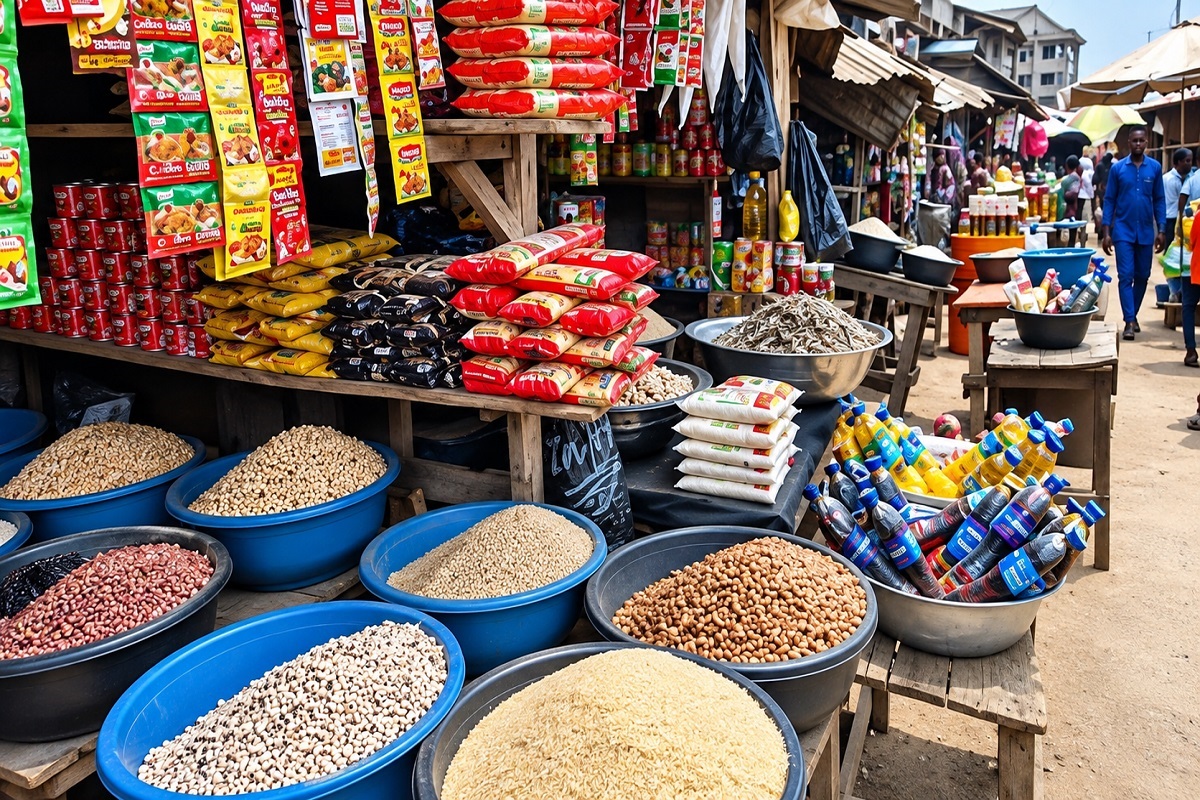
Food remains one of the most immediate pressures on household finances because it is a recurring expense that families cannot easily avoid.
The NBS reported food inflation of 19.59 percent in September 2026, above the headline rate of 14.63 percent. Although the food inflation rate was lower than the 20.16 percent recorded in September 2025, it remained elevated.
The implications are particularly serious for lower-income households, which typically have less room to adjust their budgets when food prices rise.
Families may respond by switching to cheaper food items, reducing portion sizes, buying less nutritious alternatives, or cutting spending on healthcare, education, and savings.
These adjustments can have consequences beyond immediate consumption. When households repeatedly divert money from healthcare or education to meet food expenses, their ability to improve their long-term economic position may weaken.
Food affordability also varies by location, income, and household size. A national inflation figure cannot fully capture the difference between a household with stable earnings and one dependent on irregular daily income.
Consequently, even as inflation moderates, the ability of households to maintain adequate diets remains an important measure of whether economic conditions are improving.
READ ALSO:

-
Petrol and transportation costs continue to squeeze incomes
Transportation costs provide another example of how falling headline inflation can coexist with persistent financial pressure.
Reuters reported in September 2026 that petrol prices had climbed to approximately ₦1,400 per litre in Lagos and Abuja, while some filling stations in northern Nigeria charged as much as ₦1,500 per litre. Diesel prices had also exceeded ₦2,000 per litre.
These prices affect household budgets directly and indirectly.
For commuters, higher public transport fares reduce the income available for food, rent, school expenses and savings.
Motorists also face higher costs of operating private vehicles.
Businesses experience similar pressures through increased delivery, logistics and distribution expenses. Companies that rely on diesel-powered generators may face additional operating costs, depending on their electricity supply and energy requirements.
Some of these expenses can be transferred to consumers through higher prices for goods and services, limiting the relief that might otherwise come from slowing inflation.
The effects are particularly difficult for workers whose salaries do not adjust automatically when transportation costs rise.
Even when their nominal earnings remain unchanged, the amount left after commuting and other essential expenses can shrink.
This makes transportation affordability an important part of the wider cost-of-living debate, particularly as Nigeria adjusts to a fuel market more exposed to changes in crude oil prices and other supply costs.

-
Limited productive employment restricts income growth
Slower inflation cannot substantially improve living standards if households lack stable employment or earn too little to cover essential expenses.
The World Bank has identified productive job creation as a major challenge for Nigeria, arguing that economic growth needs to translate into better employment opportunities and more inclusive gains. Its October 2026 development update reported that first-half economic growth reached 4.2 percent, but stressed the need to strengthen the link between growth, jobs, and poverty reduction.
The challenge extends beyond unemployment. Many Nigerians work in informal businesses, trade, agriculture, and other activities where earnings can fluctuate significantly.
For such workers, income insecurity makes household budgeting difficult. A fall in daily sales or a rise in operating costs can immediately affect the money available for food, transportation, and healthcare.
Small businesses also face expenses such as energy, rent, inventory, and financing. When these costs rise faster than sales, owners may struggle to expand operations, hire additional workers, or increase their earnings.
The result is a situation in which economic activity may be growing without providing enough secure, well-paid employment to improve living standards across a broad section of the population.
For inflation relief to become more meaningful, households need not only stable prices but also higher real incomes, more productive jobs and opportunities for businesses to expand.
-
Healthcare expenses leave families exposed to financial shocks
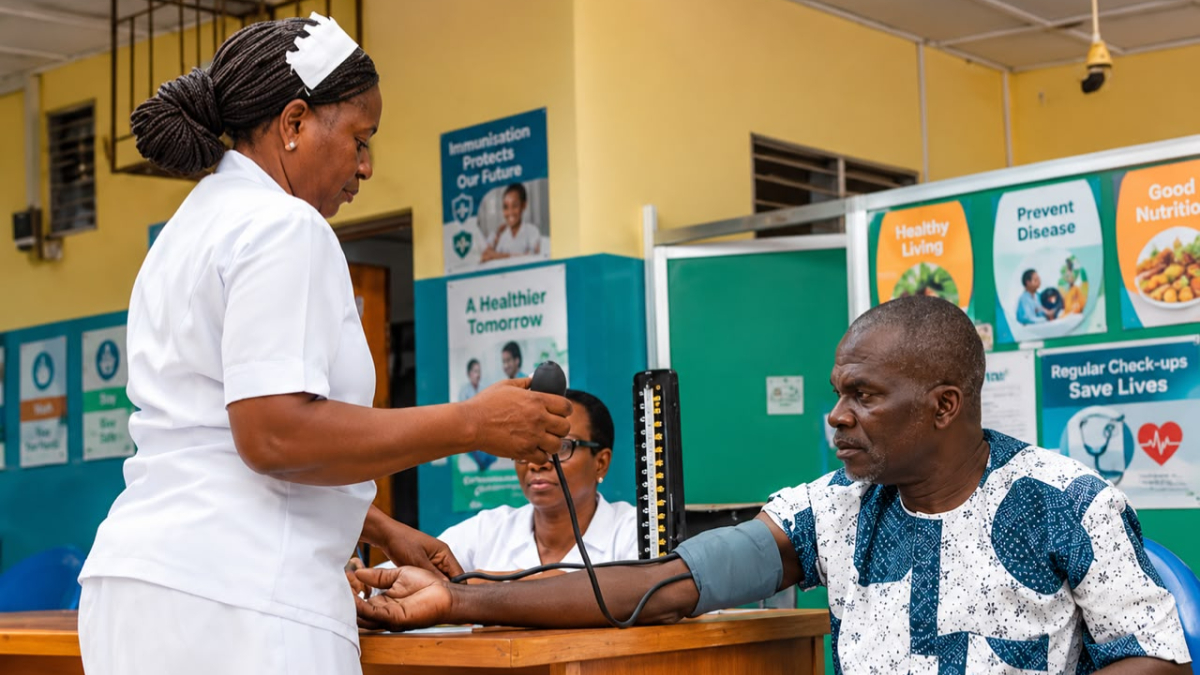
Healthcare remains another major source of financial vulnerability, particularly for households without adequate insurance coverage.
The African Health Observatory’s Nigeria health-system profile, updated in October 2026, reported that out-of-pocket payments accounted for more than 75 percent of total health expenditure, based on 2021 data. It also estimated that only about five percent of Nigerians were covered by health insurance, prepayment, or risk-pooling arrangements.
These figures indicate the extent to which patients and their families depend on money paid directly when they need medical treatment.
For households with limited savings, an unexpected illness can disrupt the entire budget. Money intended for food, transport, rent or school expenses may have to be redirected towards consultations, medicines, laboratory tests or hospital bills.
Some families may borrow to finance treatment, while others may postpone seeking medical attention because they cannot afford the immediate cost.
The financial consequences can extend beyond the period of illness, particularly when treatment reduces a worker’s ability to earn income or forces relatives to take time away from work to provide care.
Expanding health insurance and other financial protection mechanisms could reduce the extent to which medical expenses destabilise household finances.
However, wider coverage must also be accompanied by accessible healthcare facilities, reliable service delivery and adequate funding to ensure that people can obtain the care they need.
Turning economic stability into household relief
Nigeria’s declining inflation rate represents progress in stabilising prices, but it is not sufficient on its own to establish that living standards have improved.
The World Bank’s October 2026 assessment emphasised the need to convert stronger economic performance and improved public finances into productive jobs, poverty reduction and better public services.
For households, the test of economic recovery is whether earnings can cover essential expenses without repeated sacrifices in food quality, healthcare, education or savings.
That requires more than a continued decline in headline inflation. Higher real incomes, improved food affordability, manageable transport costs, productive employment and wider access to healthcare financing are also essential.
Until these improvements become more visible in household budgets, falling inflation will remain an important economic indicator without necessarily translating into an equivalent improvement in everyday living conditions.

Ogochukwu Onwaeze is a writer specializing in business and economic journalism. At THEWILL News Media, she translates market trends, financial developments, and policy shifts into clear and engaging stories.
