
-
The NGX has moved from a powerful rally into a sharp correction, with an 11-session losing streak eventually giving way to a two-session rebound at the end of August.
-
Rising Treasury Bill and OMO yields are giving investors a more attractive alternative to equities, while profit-taking and valuation concerns have intensified selling pressure.
-
The August 28 rebound lifted the market 0.81 percent for the week, but the NGX remained down 1.62 percent for August, suggesting the correction may have paused rather than fully reversed.
September 01, (THEWILL) — Nigeria’s equities market is entering a more uncertain phase after a prolonged rally gave way to an extended sell-off in August.
The NGX All-Share Index suffered 11 consecutive losing sessions before returning to positive territory on Thursday, August 27. The rebound continued on Friday, August 28, when the index gained 0.90 percent to close at 241,298.47 points.
For the full four-day trading week ended August 28, however, the index gained 0.81 percent, or 1,947.31 points, from 239,351.16 points the previous week.

Market capitalisation rose 0.84 percent to ₦155.826 trillion, while the year-to-date return stood at 55.06 percent.
The distinction is important: August 28 was a strong rebound session, but the broader market was still recovering from the correction. The NGX also remained down 1.62 percent for August.
1. Investors Began Taking Profits
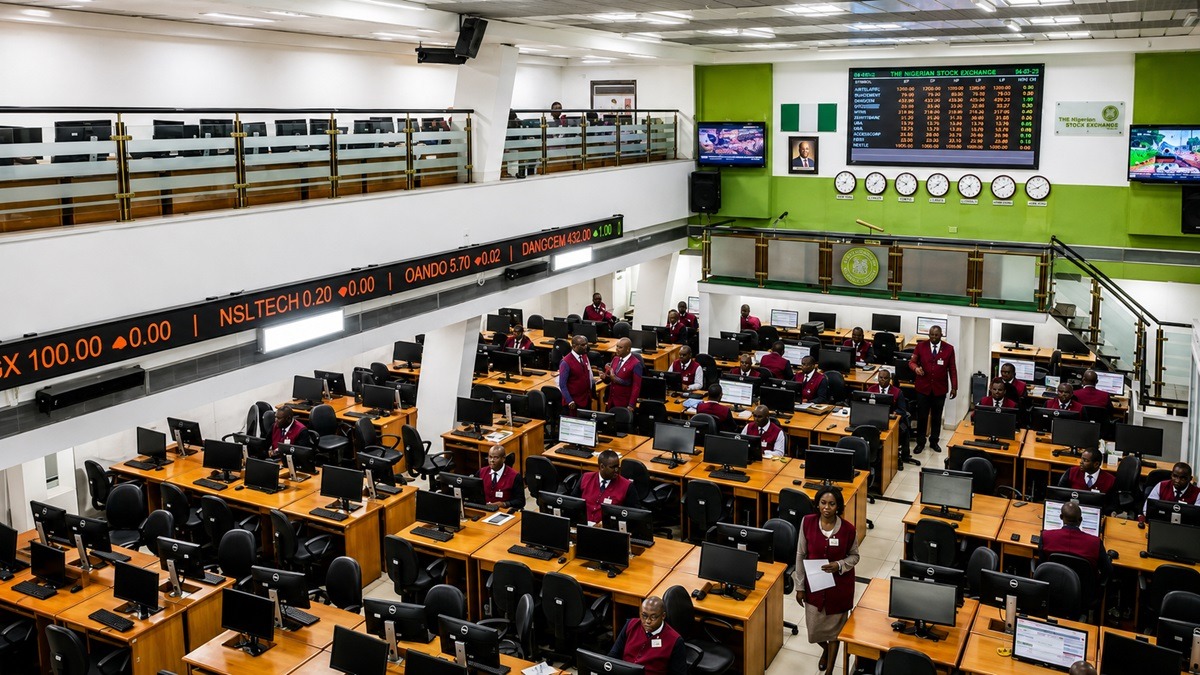
After the NGX’s powerful run earlier in the year, investors sitting on substantial paper gains had a clear incentive to lock in profits. Once selling began, the momentum that had previously pushed prices higher began working in the opposite direction.
A correction does not automatically mean investors have lost confidence in listed companies. It can also mean investors are reducing exposure after a strong run, reallocating funds or waiting for prices to become more attractive. The August sell-off therefore reflects a reassessment of positions, rather than necessarily a collapse in confidence.
2. Fixed-Income Yields Became More Competitive

The biggest change in the investment environment has been the return of highly attractive fixed-income yields.
The CBN’s August 12 Treasury Bill auction produced a 17.59 percent stop rate on the 364-day instrument, while its subsequent OMO auction saw yields around 20 percent. Such returns give investors a strong alternative to equities, particularly when stock prices have already risen substantially.
Investors must now weigh the potential capital gains and dividends from equities against relatively predictable fixed-income returns. This raises the return required from stocks before investors are willing to commit fresh money.
3. Some Stocks May Have Outpaced Their Fundamentals
The correction has also brought valuations back into focus.
When share prices rise faster than earnings, investors eventually begin asking whether corporate profits can catch up with those valuations.
A company can remain fundamentally strong while its stock becomes less attractive simply because investors are paying too much for each naira of earnings.
This means the correction can represent a valuation reset. Investors become more selective, favouring companies whose earnings, dividends and growth prospects provide sufficient justification for their market prices.
4. Selling Pressure Spread Across The Market
The decline was not confined to one company or a single sector. Banking, oil and gas, insurance and consumer stocks all experienced periods of selling pressure during the correction.
That breadth suggests investors were reassessing their overall equity exposure rather than simply rotating from one expensive stock into another.
When selling becomes broad-based, even fundamentally sound companies can experience price declines as investors raise cash or move towards alternative assets.
5. OMO Is Competing Directly For Domestic Liquidity

The reopening of OMO securities to a broader group of domestic investors has added another layer to the competition for capital.
Strong demand at recent OMO auctions shows that investors are willing to deploy significant funds into short-term CBN instruments when yields are attractive.
That does not mean the money has permanently left equities, but it gives investors a credible alternative while the stock market undergoes its correction.
For equities to attract those funds back, investors will increasingly demand evidence of stronger earnings, sustainable dividends or significant growth potential.
READ ALSO:
6. The Market Is Shifting From Momentum To Fundamentals
The correction is ultimately changing how investors approach the market.
During a strong rally, rising prices can encourage more buying because investors expect the momentum to continue.
Once prices start falling, however, investors become more interested in whether individual companies can actually justify their valuations through earnings and future cash flows.
The August 27–28 rebound shows that buyers are still willing to return when positive catalysts emerge.
The recovery was helped by FTSE Russell’s confirmation that Nigeria’s reclassification from “Unclassified” to Frontier Market status will proceed on September 21.
But the rebound should not yet be interpreted as the end of the correction. The market’s 0.81 percent weekly gain came after an 11-session losing streak, while August still ended with the NGX down 1.62 percent.
What The Correction Really Means
The more useful question for investors is therefore not simply whether the NGX will rise or fall next.
It is which stocks have fallen because investors are taking profits, and which have fallen because their valuations or earnings outlook have genuinely changed?
With fixed-income instruments offering yields around 20 percent and the NGX still carrying a 55.06 percent year-to-date gain, the next phase of the market is likely to be more selective.
The correction may therefore be less about the end of the bull market and more about a shift from momentum-driven buying to fundamentals, valuations and stock selection.

Ogochukwu Onwaeze is a writer specializing in business and economic journalism. At THEWILL News Media, she translates market trends, financial developments, and policy shifts into clear and engaging stories.
