
-
Nigeria’s gross external reserves increased by approximately $116m between October 2 and October 8, 2026, reaching $55.07bn.
-
Reserves rose by about $1.03bn in September, from $53.90bn at the beginning of the month to $54.93bn at month-end.
-
The reserve balance has exceeded the CBN’s projected year-end level of $51.04bn for 2026, although the sustainability of the increase will depend on continued foreign exchange inflows and external payments.
October 12, (THEWILL) – Nigeria’s gross external reserves rose by approximately $116m in six days to $55.07bn as of October 8, 2026, extending the accumulation recorded in September and pushing the balance above the Central Bank of Nigeria’s projected year-end level for 2026.
Data published on the CBN’s website showed that reserves increased from $54.95bn on October 2 to $55.07bn on October 8, reflecting continued growth in the country’s external buffers at the beginning of the month.
The latest increase follows a steady rise throughout September, when reserves climbed from approximately $53.90bn on September 1 to $54.93bn at the end of the month.

The figures indicate that Nigeria’s reserve accumulation has continued into the fourth quarter, although the daily changes alone do not establish the specific sources of the additional foreign exchange.
Reserves Cross $55bn in October

The CBN data showed that Nigeria’s external reserves continued to increase during the first week of October.
Reserves stood at $54.95bn on October 2 before rising to approximately $54.98bn on October 5. The balance remained around $54.98bn on October 6 before increasing to $55.05bn on October 7.
By October 8, reserves had reached approximately $55.07bn.
The increase of about $116m over the six days represents a continuation of the upward movement recorded in late September, when reserves rose from $54.86bn on September 24 to $54.93bn on September 30.
While daily reserve movements can reflect foreign exchange inflows, payments and valuation changes, a sustained increase can strengthen the country’s capacity to meet external obligations and support confidence in the foreign exchange market.
However, the gross reserve balance should not be interpreted as an indication that the entire amount is freely available for immediate intervention, as the composition and associated obligations of reserve assets also matter.
READ ALSO:
September Gains Extend Into Fourth Quarter
The October increase builds on the accumulation recorded in September.
According to the daily figures, reserves rose from approximately $53.90bn on September 1 to $54.41bn on September 10, before reaching about $54.72bn on September 18.
The balance continued to rise during the final days of the month, closing September at approximately $54.93bn.
This represents an increase of about $1.03bn during September. Between September 1 and October 8, reserves gained approximately $1.17bn.
The latest figures also extend the year-on-year growth previously reported. The publication reported that reserves had gained $12.76bn year-on-year to reach $54.61bn as of September 14, 2026.
The broader increase points to a stronger external reserve position than Nigeria recorded earlier in the year.
Nevertheless, determining the underlying strength of that position requires examining the sources of foreign exchange inflows, the country’s external payment obligations and the extent to which the accumulation can be sustained.
Reserves Exceed CBN’s 2026 Projection
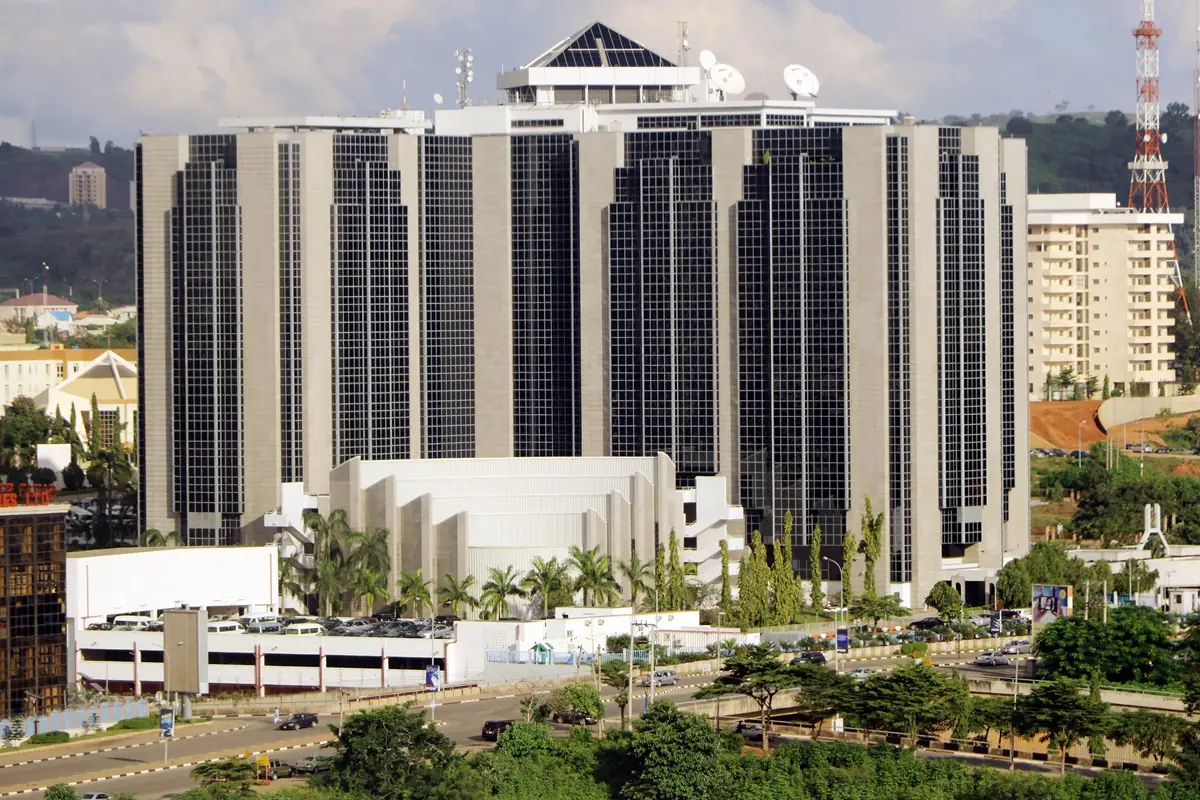
Nigeria’s external reserves have also moved above the CBN’s projected year-end balance of $51.04bn for 2026.
The projection, reported by Nairametrics in December 2025, provides a benchmark for assessing the reserve accumulation recorded so far this year.
At $55.07bn, the latest balance is approximately $4.03bn, or 7.9 percent, above that projected level.
However, exceeding a forecast before the end of the year does not guarantee that the balance will remain above the projection through December.
External debt repayments, other foreign currency obligations, exchange market operations and changes in foreign exchange inflows could affect the outcome.
The reserve position also comes amid an improving economic growth outlook.
The World Bank raised its forecast for Nigeria’s economic growth to 4.3 percent in 2026, from 4.0 percent in 2025, and projected growth of 4.4 percent in both 2027 and 2028.
The World Bank also reported that the naira was among Africa’s more resilient currencies during the second quarter of 2026, with its maximum depreciation limited to 2.6 percent despite exchange-rate pressures across the continent.
Although higher reserves can support confidence in the currency and improve the capacity to manage external shocks, they do not automatically translate into a stronger naira.
Exchange-rate performance also depends on foreign exchange demand and supply, monetary policy, capital flows and broader economic conditions.
For Nigeria, the continued rise in reserves offers a stronger external buffer as the year progresses.
The more important test will be whether the country can sustain the accumulation while meeting its foreign currency obligations and maintaining stability in the foreign exchange market.

Ogochukwu Onwaeze is a writer specializing in business and economic journalism. At THEWILL News Media, she translates market trends, financial developments, and policy shifts into clear and engaging stories.
