
-
Nigeria will auction ₦1.75 trillion in FGN bonds today, its largest scheduled bond sale for the fourth quarter so far.
-
The offer covers three existing bonds carrying coupons of 19%, 16.79% and 15.45%, with maturities between 2034 and 2038.
-
The 19% figure is the bond’s fixed coupon, not necessarily the return a buyer will earn. The final yield will depend on the price at which the auction clears.
-
Investors submitted about ₦1.49 trillion in bids for ₦1 trillion of bonds offered in September, showing strong appetite for longer-dated government debt.
October 19, (THEWILL) – Nigeria is asking the domestic debt market for another ₦1.75 trillion on Monday, putting investors in front of a question that has become increasingly important as interest rates begin to fall.
How much will they demand to lend to the Federal Government for another eight to 12 years?
The Debt Management Office will auction three reopened Federal Government bonds on October 19, with settlement scheduled for October 21.

Specifically, the government is offering ₦500 billion of the 19% FGN February 2034 bond, ₦800 billion of the 16.79% FGN September 2036 bond and ₦450 billion of the 15.45% FGN June 2038 bond.
At ₦1.75 trillion, today’s offer is substantially larger than the ₦1 trillion placed before investors at September’s bond auction. More importantly, the size of the offer means the auction will provide a useful test of how aggressively investors are willing to price long-term government debt as Nigeria’s interest-rate environment starts to shift.
19% Headline Needs Reading Carefully
The most eye-catching number in the auction is 19%, but it does not mean every successful investor will earn a 19% return.
That is because all three securities are reopenings, meaning their coupon rates were fixed when they were originally issued.
Investors will instead bid for the yield they are prepared to accept, while the price paid for the bond adjusts accordingly. In practice, a bond carrying a 19% coupon can therefore trade at a yield below 19% if investors are willing to pay more than its face value.
The DMO states that successful bidders will pay a price corresponding to the yield-to-maturity that clears the auction, plus accrued interest.
Secondary-market pricing already shows how wide the difference between coupon and yield can be. On October 16, the 19% February 2034 FGN bond was yielding about 17.05% on FMDQ, while the 15.45% June 2038 bond was yielding roughly 17.02%.
For that reason, today’s clearing rates, rather than the coupons printed on the bonds, will provide the clearer picture of what the Federal Government currently has to pay for long-term naira funding.
Investors Have Been Chasing Government Paper
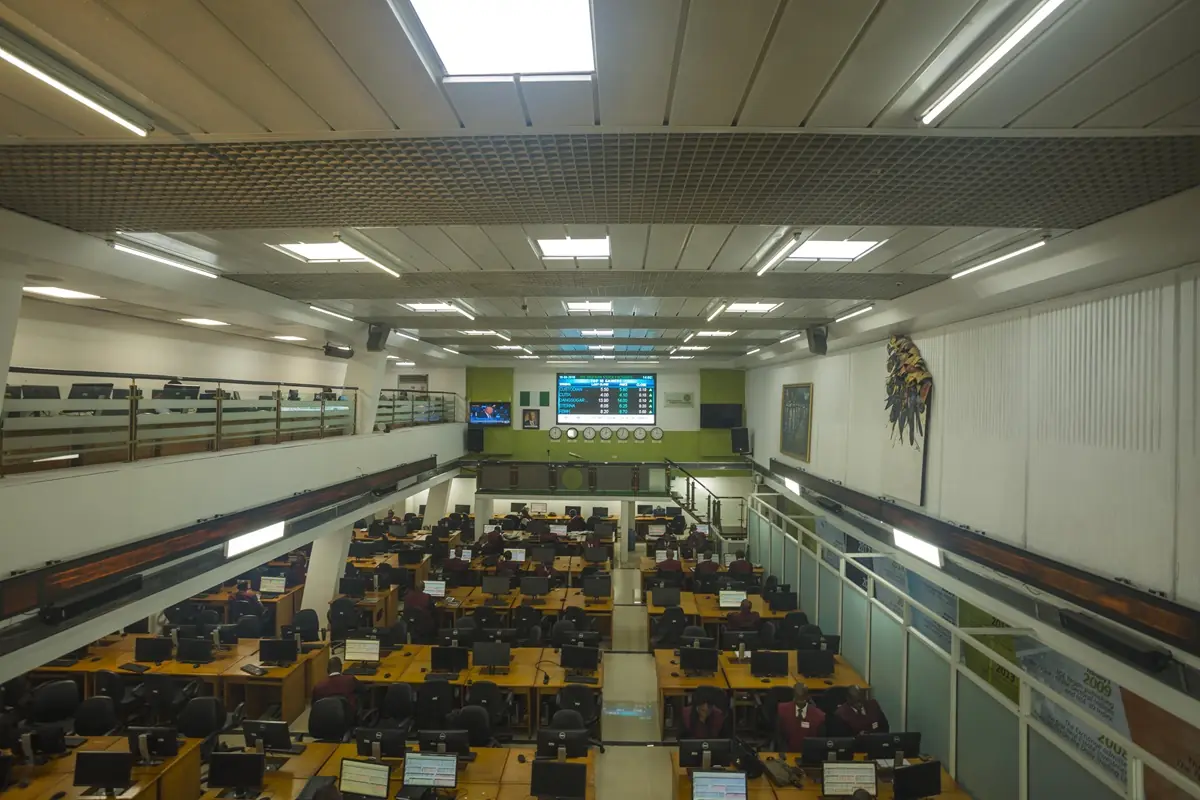
The government also enters today’s auction with evidence that demand for its debt remains strong.
At the September 14 auction, investors submitted ₦546.90 billion for the 2036 bond and ₦947.83 billion for the 2038 bond, taking combined subscriptions to about ₦1.49 trillion against ₦1 trillion offered.
The 2036 security cleared at 16.79%, while the 2038 bond cleared at 16.85%. The DMO eventually allotted ₦748.64 billion to the market, alongside non-competitive allotments.
At the same time, shorter-term government securities have also been repricing downward.
Following the CBN’s September monetary-policy decision, Treasury bill stop rates fell to 15.50% for 91-day bills, 15.80% for 182-day bills and 15.89% for the 364-day instrument at the September 23 auction.
Nigeria’s benchmark monetary policy rate now stands at 23%, while headline inflation fell to 14.63% in September.
Together, those movements are changing the calculation for fixed-income investors. If interest rates continue to decline, locking money into longer-dated bonds at today’s yields becomes more attractive because previously issued high-coupon securities can gain value as newer debt comes to market at lower rates.
However, that opportunity for investors creates a different challenge for the government. The DMO still has to persuade buyers to accept lower yields even as it brings a large volume of debt to the market.
Nigeria Is Not Done Borrowing This Quarter
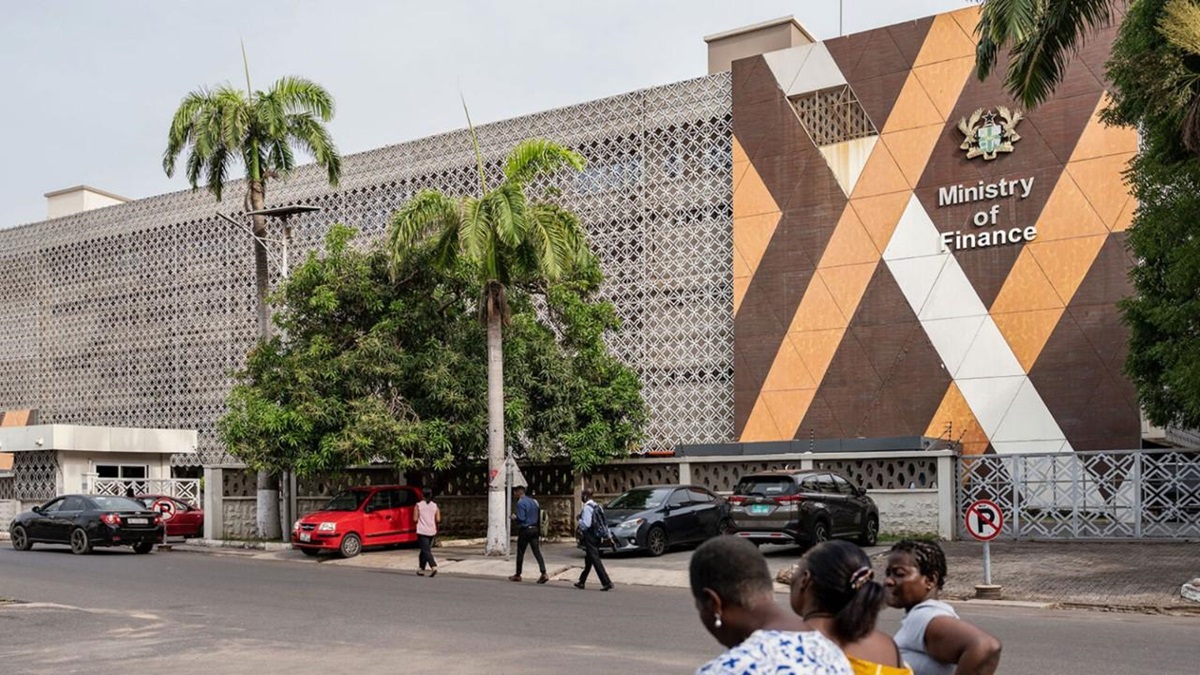
That challenge becomes more important when today’s auction is viewed as part of a much larger fourth-quarter funding programme.
The DMO’s provisional calendar shows ₦5.75 trillion of bond offers between October and December.
After today’s ₦1.75 trillion sale, another ₦2 trillion is scheduled for November 16, followed by ₦2 trillion on December 14. All three auctions are expected to use the same 2034, 2036 and 2038 securities.
In other words, investors know another ₦4 trillion of supply is pencilled in before the year closes.
That makes today’s auction more significant than a routine monthly debt sale. The DMO has to raise substantial funding while avoiding the risk of paying unnecessarily high yields simply to attract buyers.
A weak auction could therefore force yields higher. Strong demand, on the other hand, would give the government more room to reject expensive bids and borrow on better terms.
READ ALSO:
The Cost Of Domestic Borrowing Is Already Visible
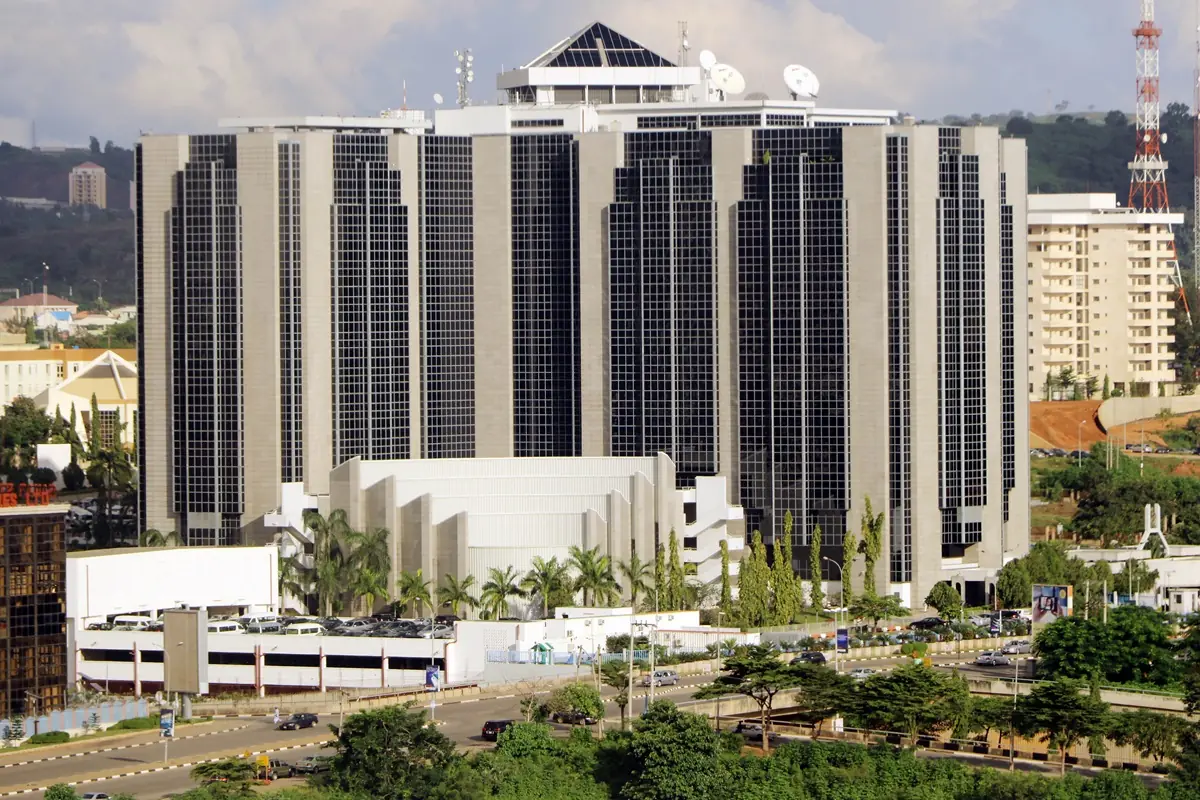
The importance of those yields becomes clearer when Nigeria’s existing debt-service bill is considered.
The country’s total public debt stood at ₦166.79 trillion at June 30, 2026, according to the DMO. Domestic debt accounted for ₦91.59 trillion, including ₦87 trillion owed directly by the Federal Government.
Meanwhile, during the first six months of 2026 alone, the Federal Government spent ₦5.28 trillion servicing domestic debt.
About ₦4.95 trillion of that amount went to interest and rental payments, including ₦3.35 trillion in interest on Federal Government bonds.
As a result, falling market rates would do more than give investors an opportunity to reposition their portfolios. Over time, lower yields could reduce the cost of new government borrowing and ease the burden attached to refinancing maturing obligations.
The effect will not be immediate because coupons on existing bonds remain fixed. Still, every new auction determines the cost attached to another piece of Nigeria’s debt stock.
What To Watch After The Auction
Once the DMO publishes the results, three numbers will tell the real story.
The first is total subscription, which will show how much money investors were prepared to commit to the offer.
The second is the amount eventually allotted, since the DMO can reject bids it considers too expensive.
The third, and most important, is the marginal yield on each bond.
If the 2036 and 2038 bonds clear materially below September’s 16.79% and 16.85%, that would strengthen the case that Nigeria’s domestic interest-rate cycle is turning downward.
If investors instead demand yields around 17% or higher despite softer inflation and lower short-term rates, the signal would be very different.
Inflation may be falling, but long-term money would still not be getting cheap nearly as quickly.

Joy Onuorah is a business journalist and brand communications specialist covering financial markets, artificial intelligence, digital economy, and the ideas reshaping business across Africa and the global market. Beyond her reporting for TheWill, Joy uses brand strategy, storytelling, copywriting, and high-value SEO to help brands build lasting market authority.
