
-
The Nigerian Exchange Limited will introduce a revised equity pricing methodology from August 17, requiring trades to meet minimum volume thresholds before they can trigger a published share-price movement.
-
The new thresholds will vary according to a stock’s price, with higher-priced equities requiring fewer units and lower-priced stocks requiring larger trade volumes to influence the published price.
-
NGX said the changes are aimed at improving price discovery, reducing distortions from low-volume transactions, and strengthening confidence in the Nigerian capital market.
August 08, (THEWILL) — The Nigerian Exchange Limited (NGX) will begin implementing a revised pricing methodology for equities trading on August 17, 2026, following approval by the Securities and Exchange Commission (SEC).
The new framework is designed to improve the way share-price movements are determined by placing greater emphasis on trades with sufficient volume and economic significance.
Under the revised methodology, not every transaction will automatically qualify to trigger a published price movement.

Trades will have to meet specified minimum traded-quantity thresholds based on the prevailing price of the stock.
The exchange said the changes are intended to strengthen price discovery and market integrity while reducing the potential for low-volume transactions to distort published share prices.
How the new price thresholds work
The revised methodology introduces three tiers based on the trading price of an equity.
For stocks trading at ₦1,000 and above, a minimum of 10,000 units must be traded before a price movement can be reflected.
For equities priced between ₦500 and ₦999.99, the minimum threshold is 50,000 units.
Stocks trading below ₦500 will require a minimum transaction volume of 100,000 units before the trade can trigger a published price movement.
The framework therefore creates different volume requirements depending on the price of the security.
The methodology means that a relatively small transaction in a low-priced stock will no longer have the same potential to influence its published market price as a transaction involving a substantially larger volume of shares.
READ ALSO: NGX Introduces New Trading Volume Thresholds for Share Price Movements
Why NGX is changing the methodology
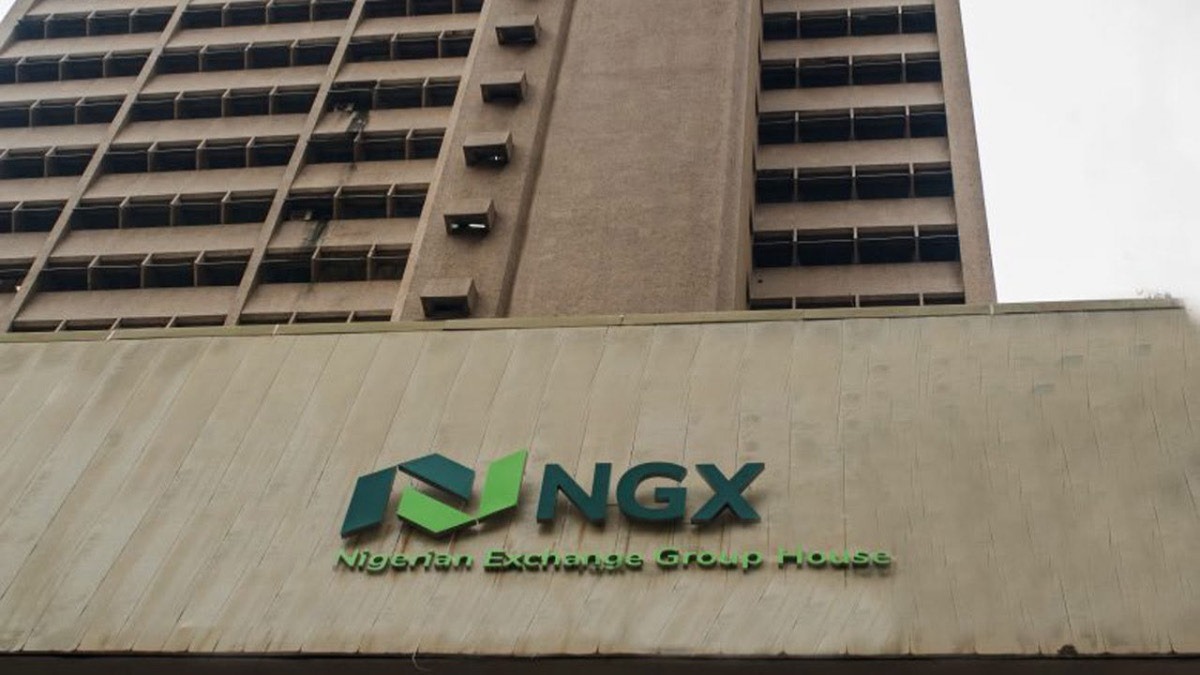 The move comes amid efforts to improve the quality of price signals available to investors on the Nigerian capital market.
Share prices are expected to reflect the interaction between buyers and sellers, but very small transactions can sometimes create movements that do not necessarily represent broader market demand or supply.
By introducing minimum volume thresholds, NGX wants published price movements to be based more heavily on transactions that have greater economic significance.
The exchange said the approach would help reduce price distortions associated with low-volume trades and support a more transparent and efficient price-discovery process.
For investors, the change could make published price movements a more meaningful indication of actual trading activity, particularly in equities where relatively small transactions can produce noticeable price changes.
Daily price limits remain unchanged
Despite the changes to the methodology for determining published price movements, NGX said the existing daily price movement limits for listed equities would remain unchanged.
This means the new framework does not alter the maximum permitted daily movement in a stock’s price.
Instead, it changes the conditions under which a transaction can contribute to a published price movement.
The distinction is important because investors will still operate within the existing daily price-limit structure after the new methodology takes effect.
READ ALSO: Top 5 Dividend-Paying Companies On NGX In 2026
Market operators prepare for implementation
The Association of Stockbroking Houses of Nigeria (ASHON) confirmed that the revised pricing methodology will take effect on August 17.
The association urged trading licence holders and other market operators to study the new requirements and make the necessary operational adjustments before implementation.
ASHON said the framework should support greater transparency and efficiency in price discovery while helping to strengthen investor confidence in the Nigerian capital market.
The new methodology will therefore introduce a significant change to how individual trades feed into published equity prices, although the underlying daily price movement limits will remain in place.

Ogochukwu Onwaeze is a writer specializing in business and economic journalism. At THEWILL News Media, she translates market trends, financial developments, and policy shifts into clear and engaging stories.