
-
Central Bank of Nigeria Governor Olayemi Cardoso pushed interest rates to 26.75 percent, forcing investors to constantly move their cash to chase the highest returns.
-
Stock market investors sold off shares in major companies after a massive market rally, choosing to lock in risk-free government Treasury bills paying over 20 percent interest instead.
-
As heavy demand pulled government bill rates back down towards 16 percent, investors shifted their cash again into US dollars and global funds to protect their savings from inflation.
-
Moving money between stocks, government paper, and dollars has replaced traditional long-term saving for Nigerians trying to protect their wealth.
August 28, (THEWILL) — Between late 2024 and mid-2026, keeping money in a Nigerian bank account or sitting on the same stock portfolio stopped making financial sense.
Central Bank Governor Olayemi Cardoso had raised interest rates all the way to 26.75 percent to fight inflation, changing the rules of wealth management overnight.
Investors quickly realised that making real money meant moving cash around constantly.

Using mobile banking apps and digital investment platforms like Bamboo and Cowrywise, everyday savers and professional fund managers moved billions of naira across three main places: local company stocks on the Nigerian Exchange, short-term government Treasury bills, and US dollar investments.
The trigger behind this cash movement comes down to basic arithmetic.
After a massive stock market run that saw the Nigerian Exchange All-Share Index cross the historic 100,000-point mark, company stock prices grew so high that their cash dividend payouts could no longer match what the government was offering risk-free.
When the Debt Management Office began selling 364-day Treasury bills at interest rates above 20 percent, holding risky stocks made far less sense.
For someone who had doubled their money on bank shares or industrial giants like Dangote Cement and BUA Cement, selling those stocks to cash out profits became an obvious smart move.
As CardinalStone Research pointed out in a strategy note on market flows, locking in a guaranteed 20 percent return backed by the federal government offered investors a safe place to park their cash without worrying about daily stock market drops.
Moving Money from Government Bills into Hard Currency
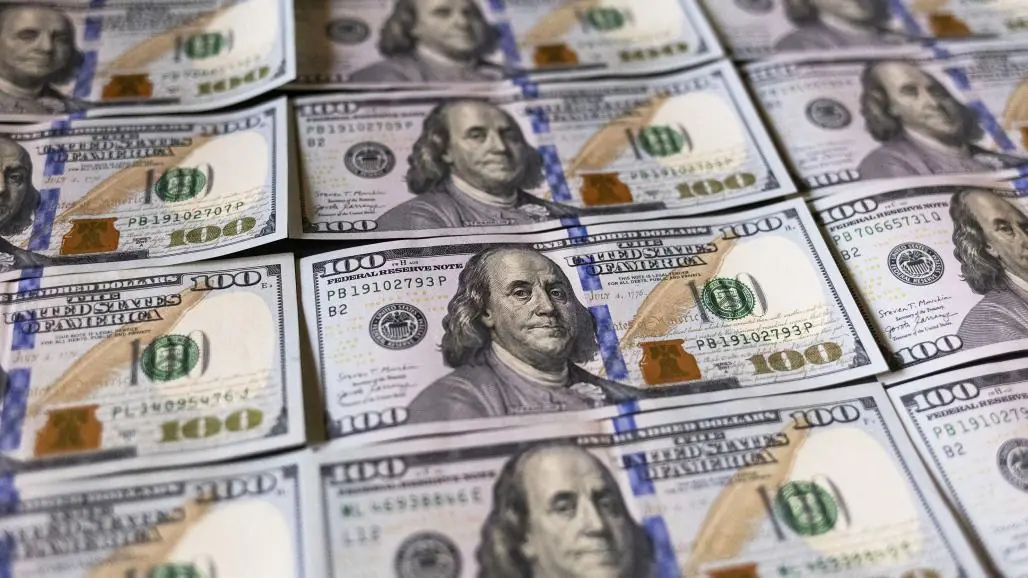
Leaving cash in government paper was never meant to be a permanent choice for investors.
As millions of Nigerians rushed into Debt Management Office auctions, high demand pushed those 20 percent interest rates back down toward the 16 percent range.
At the same time, with inflation holding above 15 percent, investors realised that lower interest rates no longer allowed them enough safety cushion against rising prices and currency drops.
This fall in interest rates launched the second phase of the money shuffle.
Wealth managers and everyday savers took the cash payouts from their expiring Treasury bills and moved them directly into US-dollar assets instead of buying new government paper.
By putting money into global index funds like Vanguard’s S&P 500 ETF or keeping liquid dollar balances, investors built a shield against local price jumps.
“When real yields compress, holding local paper loses its shine, making hard currency allocations the essential shield for wealth preservation”, noted Chapel Hill Denham in a market review.
READ ALSO:
Coming Back to Cheap Local Stocks
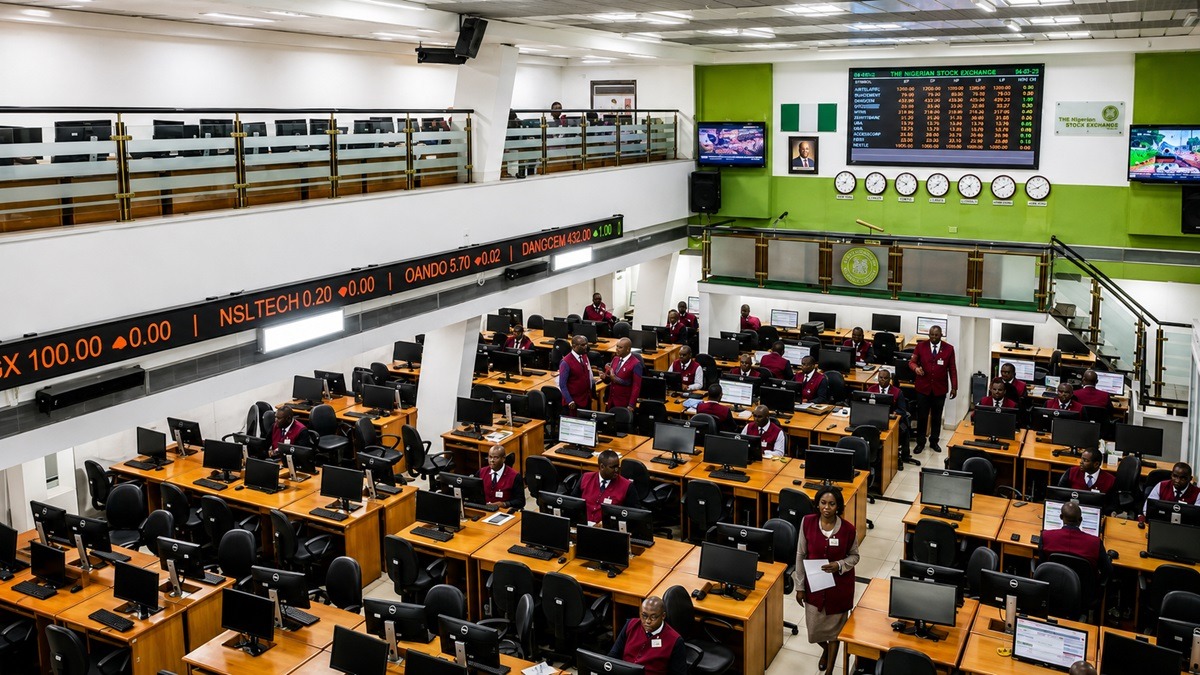
This money loop comes full circle when local stock prices drop low enough to make holding dollars look less attractive by comparison.
When broad profit-taking or central bank rules requiring commercial banks to raise fresh capital push stock prices down, dollar-backed cash flows straight back into the Nigerian stock market.
Having kept their money safe in dollars or earned high interest on government paper during market pullbacks, investors convert their cash back into naira to buy heavily discounted shares right before major companies pay out annual dividends.
The continuous cycle of taking stock profits, grabbing high government interest, hiding out in dollars, and jumping back into cheap stocks has completely reshaped how Nigerians manage money.
Instead of leaving cash in one place, local investors built a flexible, real-world system to beat inflation, profit from rate changes, and protect what they have earned.

Joy Onuorah is a business journalist and brand communications specialist covering financial markets, artificial intelligence, digital economy, and the ideas reshaping business across Africa and the global market. Beyond her reporting for TheWill, Joy uses brand strategy, storytelling, copywriting, and high-value SEO to help brands build lasting market authority.