-
A New Mexico judge ordered Meta to pay $25 billion in civil penalties.
-
Jurors found nearly 44 million consumer-protection violations.
-
Meta plans to appeal, so the payment is not final.
-
Nigeria’s data law also requires fair and transparent handling of personal information.
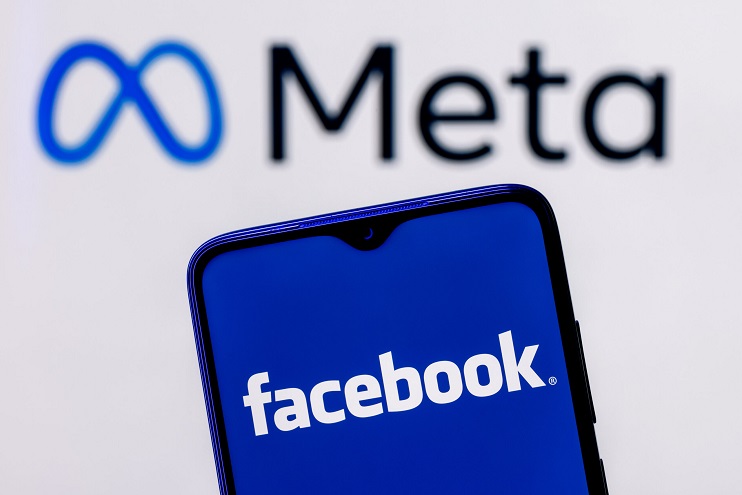
October 22, (THEWILL) – Meta has been ordered to pay $25 billion after a New Mexico jury found that Facebook misled consumers about privacy, control of personal data and related platform practices.
Judge Francis Mathew imposed the penalty on October 21 after jurors found 43,899,725 violations of New Mexico’s Unfair Practices Act. The case included claims tied to Facebook’s handling of the Cambridge Analytica scandal and representations about how users could control their information.
Meta disputes the ruling and is expected to appeal, so the $25 billion should not be treated as money already paid.

How Penalty Reached $25 Billion
New Mexico law allows penalties of up to $5,000 per violation, which meant the jury’s findings could theoretically have supported a far larger sum.
Mathew instead imposed $25 billion, citing the scale and duration of the conduct found by the jury.
Meta has argued that the penalty is excessive and legally flawed, leaving the final outcome subject to appeal.
READ ALSO:
Why Case Matters Beyond US
The ruling has no direct legal effect on Nigerian companies, but the underlying issue is relevant anywhere businesses collect customer data.
The question is simple: do a company’s actual data practices match what it tells users?
Nigeria’s Data Protection Act requires personal information to be processed fairly, lawfully and transparently, with a valid legal basis for collection and use.
Those obligations can apply to fintechs, retailers, hospitals, marketing companies, websites and other organisations handling personal data.
Nigerian Businesses Face Similar Compliance Questions
A privacy notice alone is not enough if a company’s actual practices say something different.
If customer information is used for purposes that were not properly disclosed, shared without an appropriate legal basis or collected more broadly than necessary, the business can still face regulatory and reputational risk.
The Nigeria Data Protection Commission lists unauthorised use, unauthorised disclosure, lack of transparency and excessive processing among the kinds of issues that can trigger complaints.
For Nigerian businesses, the useful lesson from Meta’s case is not the size of the penalty but the principle behind it.
What a company promises customers about their data needs to match what happens after the data is collected.

Joy Onuorah is a business journalist and brand communications specialist covering financial markets, artificial intelligence, digital economy, and the ideas reshaping business across Africa and the global market. Beyond her reporting for TheWill, Joy uses brand strategy, storytelling, copywriting, and high-value SEO to help brands build lasting market authority.