
-
King Sunny Adé’s 1982 album Jùjú Music became a landmark release for Nigerian music, taking the Yorùbá-rooted jùjú sound to a wider international audience.
-
The album spent 29 weeks on the U.S. Billboard 200 and peaked at No. 111, marking one of the biggest international chart achievements by a Nigerian artist at the time.
-
Its distinctive sound blended traditional jùjú rhythms and percussion with electric guitars, keyboards, synthesizers and modern studio production.
-
The album’s success cemented King Sunny Adé’s place as a pioneer of African music on the global stage and helped open the door for greater international interest in Nigerian music.
September 03, (THEWILL) — In the early 1980s, King Sunny Adé was already one of Nigeria’s biggest music stars. The release of Jùjú Music in 1982, however, took his music to a much wider audience outside Nigeria.
Released by Mango Records, an Island Records subsidiary, Jùjú Music was Adé’s first major international release.
By then, he had spent years building his reputation as one of the leading figures in Nigerian jùjú music.

The album gave international listeners a chance to experience the Yorùbá-rooted genre in a new way.
The album made history when it entered the U.S. Billboard 200. It peaked at No. 111 and spent 29 weeks on the chart in 1983.
For a Nigerian artist at the time, the achievement was significant. It gave Adé greater visibility among American music audiences and helped bring Nigerian popular music closer to the international mainstream.
A major part of the album’s appeal was its sound. Adé and his African Beats combined traditional Nigerian rhythms with modern production.
The music featured talking drums, percussion, guitars, pedal steel guitar, keyboards and electronic sounds.
French producer Martin Meissonnier played an important role in shaping the album’s sound.
Synthesizers and Linn drum machines were blended with traditional jùjú elements, creating music that remained rooted in Nigerian culture while offering something new to international listeners.
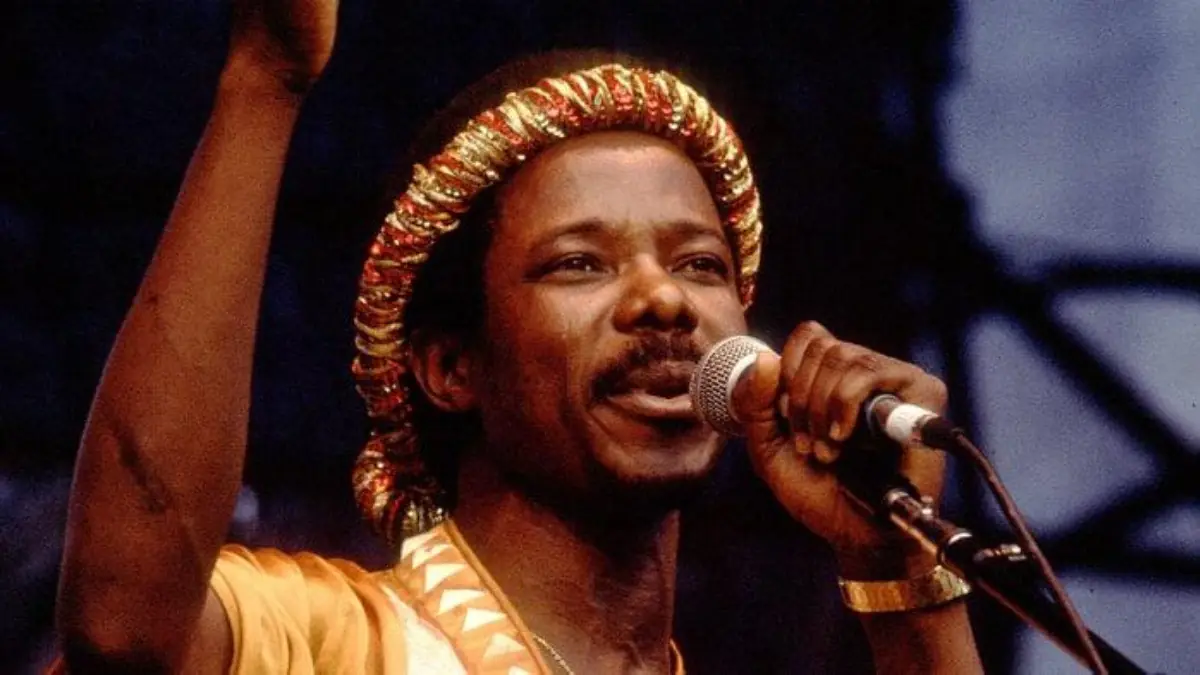
The album featured seven tracks, including “Ja Funmi,” “Eje Nlo Gba Ara Mi,” “Ma Jaiye Oni” and “365 Is My Number/The Message.”
Much of the material was performed in Yoruba, allowing Adé to maintain the cultural identity of jùjú while presenting it to audiences outside Nigeria.
Jùjú Music also received strong critical attention. The New York Times described it as “the year’s freshest dance-music album,” while British music magazine NME included it among its top 10 albums of 1982.
The album’s success helped increase interest in African popular music in the West.
It also gave other Nigerian musicians greater visibility as international audiences began paying closer attention to sounds coming from the continent.
Adé’s international run continued with his 1983 album Synchro System.
The record reached No. 91 on the Billboard chart and earned him a Grammy nomination.
The achievement further established him as one of the Nigerian artists leading the country’s growing presence in the global music scene.
READ ALSO:
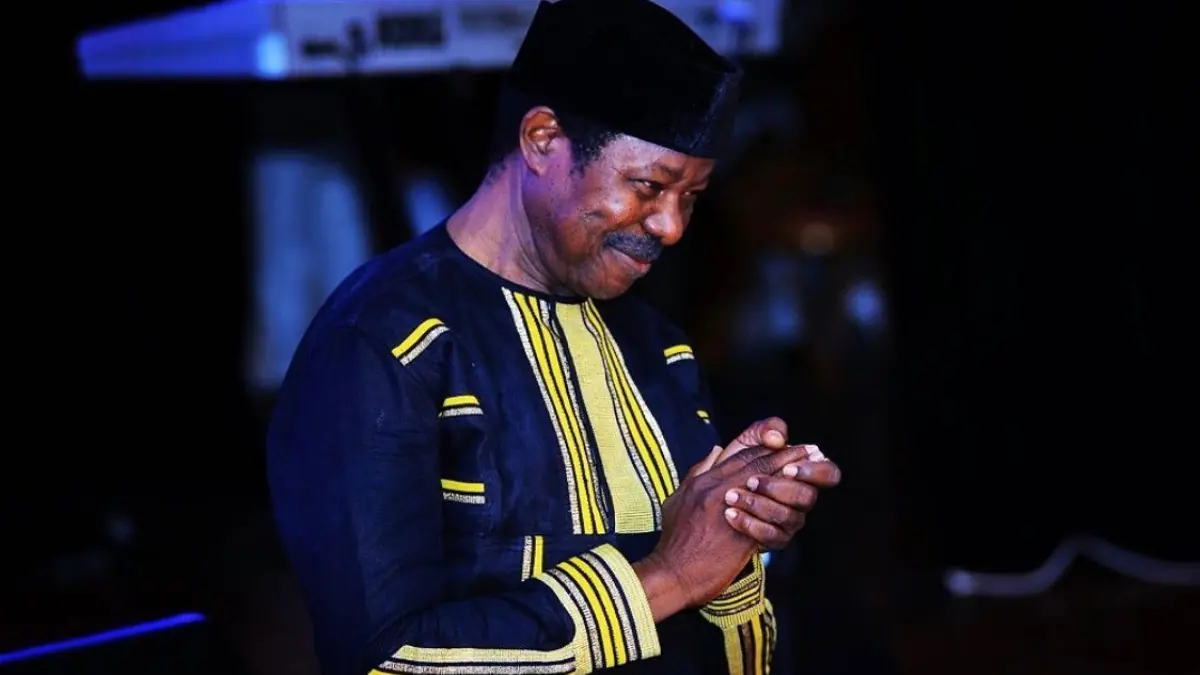
Jùjú Music holds a significant place in Nigerian music history.
The album demonstrated how a sound rooted in Yorùbá musical traditions could reach international audiences while retaining its cultural identity.
For four decades, its 29-week run on the Billboard 200 remained the longest-charting album by a Nigerian artist on the U.S. chart.
The milestone was eventually surpassed in 2023 by Rema’s debut album, Rave & Roses, which reached its 30th week on the Billboard 200.
Still, Adé’s achievement remains a defining moment in the history of Nigerian music.
Jùjú Music helped take Nigerian music to a new international audience and cemented King Sunny Adé’s place among the pioneers who helped bring African music to the global stage.

Evi-Ben Ezaga is an entertainment and society writer with a passion for stories that explore culture, people, and the stories shaping society today.
